Last updated November 17, 2026





Free written scope consultation - allowances, timeline, and change-order rules on paper before a single trade is scheduled
Kitchen Remodeling Warning Signs Every Homeowner Should Know
Water damage hidden behind a toe kick panel is the most expensive surprise in kitchen remodeling. The toe kick is that recessed strip at the bottom of your base cabinets, and the panel nearest the dishwasher traps moisture from slow leaks for months, sometimes years, before anyone notices. A contractor who doesn’t pull that panel during their assessment either didn’t look or doesn’t want you to know what’s back there. This guide separates the warning signs into two groups: what your existing kitchen is hiding behind the walls, and what a new contractor’s behavior tells you before you sign. By the end you’ll know how to check both, what a fair written price looks like in the Sunrise Manor market, and the exact questions that separate a straight answer from an evasive one.
Quick Answer
The warning signs of a bad kitchen remodel come in two categories: structural red flags in your existing kitchen (hidden moisture, soft subfloor, outdated wiring, non-code venting) and contractor red flags (no written quote, vague scope language, low countertop allowances, skipped inspections). Read both before you spend a dollar. The structural signs tell you what the job will really cost. The contractor signs tell you whether the person quoting it will actually deliver.
Styles & brands we work with
- Kitchen remodeling
- Bathroom remodeling
- Home additions & ADU
- Roofing
- Windows & doors
- Driveway & pavers
- Fence
Table of Contents
- Structural Warning Signs Inside Your Existing Kitchen
- The Three Pre-Bid Checks You Can Do Yourself
- Contractor Red Flags: What to Read Before You Sign
- Why Vague Allowance Language Costs You Thousands
- Mid-Project Warning Signs: When to Speak Up
- Eight Questions to Ask Before Signing, and What Evasion Sounds Like
- Common Mistakes to Avoid
- When to Call a Professional
Structural Warning Signs Inside Your Existing Kitchen
Before you judge any contractor, you need to understand what your current kitchen is hiding. In Sunrise Manor, the housing stock skews toward homes built between the late 1970s and the mid-2000s, and each decade carries its own set of likely problems. The desert climate is hard on materials in ways homeowners from wetter regions don’t expect: extreme summer heat cycles wood and adhesive, and the dry air cracks old grout and caulk, which lets in the occasional monsoon-season moisture that never fully dries out.
Here’s what to look for, in plain terms:
- Moisture behind the toe kick. Pull the base panel nearest the dishwasher and sink. Dark staining, a musty smell, or swollen particleboard means a slow leak has been at work. Swollen particleboard is the giveaway: it crumbles when wet and never recovers.
- Soft spots in the subfloor. The layer under your finished floor. Step firmly around the sink and dishwasher bases. A spongy give or a hollow sound means the subfloor has taken on water and may need replacing.
- Outdated wiring. Two-prong outlets, cloth-wrapped wire, or a range hood with no grounded circuit point to wiring that won’t pass current code for a remodel.
- Non-code venting. A range hood that recirculates air instead of venting outside, or a vent that terminates in the attic, is a code problem and a moisture problem in one.
- Caulk where grout should be. A previous remodeler who substituted caulk for grout at the backsplash or floor tells you corners were cut on the last job. Expect more of the same underneath.
These aren’t reasons to panic. They’re reasons to have a contractor who names them in the written scope. That’s how we operate at Penhallow: the price comes before the work, and the price accounts for what’s actually behind the wall.
The Three Pre-Bid Checks You Can Do Yourself
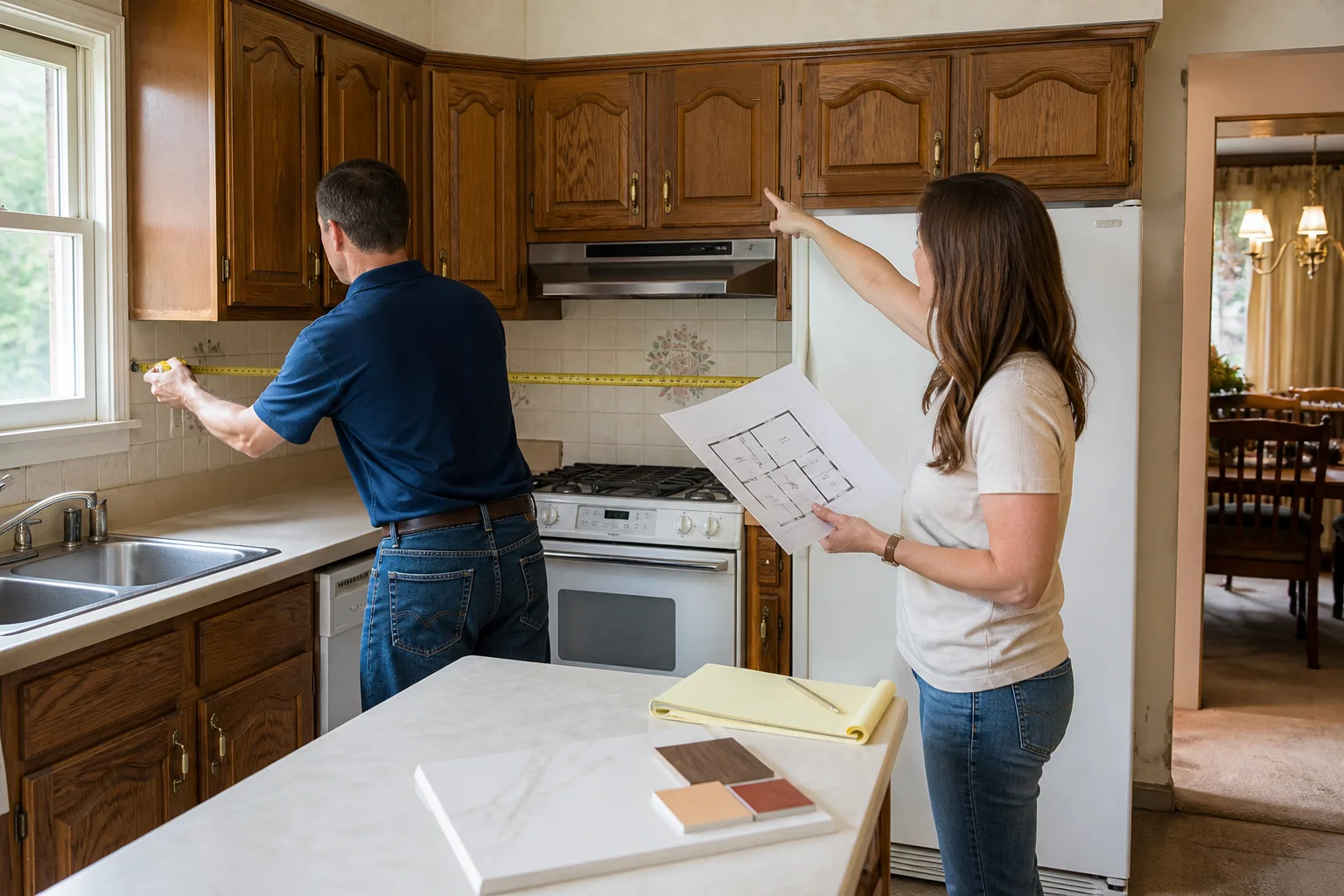
You don’t need tools or training for these. Do them before you invite anyone over, so you walk into every conversation already knowing what a good contractor should find.
- Pull the toe kick panel nearest the dishwasher. Most are a friction-fit board or held by a couple of screws. Look for dark staining and check whether the board feels swollen. If it won’t come off easily, note that too – a panel that’s been sealed shut is worth flagging.
- Do the cabinet base moisture test. Press a piece of paper towel against the inside floor of the cabinet under the sink, leave it overnight, and check it in the morning. A damp or discolored patch means a slow leak, even if the cabinet looks fine from the outside.
- Run the exhaust fan backdraft test. Turn the fan on high, hold a tissue near the filter, then move it to the outside vent (often where the duct exits the wall). Air should pull strongly in at both points. Weak pull, or air pushing back, means a blocked or poorly ducted vent.
Write down what you find and photograph it. When a contractor’s assessment matches your notes, that’s a contractor who actually looked. When they skip these things entirely, that tells you something too.
Contractor Red Flags: What to Read Before You Sign
This is the category most homeowners learn the hard way. A verbal ballpark that changes at the door, a scope written in one sentence, a missing license – each of these predicts the job that will go wrong. Here’s what to watch for:
- No written quote. If the number is delivered verbally, you have nothing to hold anyone to. A written price before any work starts is the baseline. Our General Contractor in Sunrise Manor process puts every line in writing for exactly this reason.
- A missing or unverifiable license. In Nevada, general contractors must be licensed through the state board. Ask for the number and look it up. An explanation that runs long but never produces the number is a red flag.
- Vague scope language. “Install new counters” tells you nothing about the template step, the sink cutout, or who handles the backsplash. The more specific the scope, the more you can trust the price.
- No arrival window. A contractor who won’t commit to a window in writing has told you they don’t plan to keep one.
- Cash-only and no paper trail. A written guarantee depends on a paper trail. Ask what happens if something fails 60 days after the crew leaves.
We’ve watched too many Sunrise Manor homeowners bring us a one-line quote that ballooned after demo day. The fix is always the same: put the scope and the number in writing before the first cabinet is pulled.
Why Vague Allowance Language Costs You Thousands
Here’s the single most expensive line in a kitchen contract: the countertop allowance. An allowance is a placeholder number for a material the contractor hasn’t picked yet. “Allowance for countertops: $1,500” sounds generous until you learn what $1,500 actually buys in the Sunrise Manor market.
On a typical Las Vegas-area kitchen, a mid-grade quartz countertop – a Cambria, Silestone, or Caesarstone slab – runs considerably more than that once fabrication, edge profile, and installation are counted. So the $1,500 allowance becomes a lower-tier material, or a prompt to upgrade to the real number you wanted, and your final bill climbs by several thousand dollars. That’s the allowance trap: the number on the contract is not the number on the invoice.
What a fair price looks like, in rough local ranges:
- Kitchen remodels overall: $18,000 – $55,000, driven by layout changes, cabinet line, and countertop material.
- Countertop allowance: a real number tied to a named material and slab, not a round placeholder.
- Cabinetry: a specific brand and door style, priced per cabinet, not a lump sum.
The warning sign is a low round allowance with no material named. A written price that names the Cambria slab and the KraftMaid cabinet line leaves no room to climb.
Mid-Project Warning Signs: When to Speak Up
A remodel can still go wrong after it starts. Learn these signals now so you can stop a shortcut early.
- Skipping the countertop template step. Every stone countertop is measured on-site with a template before fabrication. If your installer orders from rough dimensions, expect seams that don’t line up and a sink cutout that’s off.
- No inspection appointments scheduled. Certain phases require an inspection before the next one starts. A crew that rushes past an inspection to save time is hiding something or hoping you won’t notice.
- Caulk where grout is specified. Grout is the hard, sealed joint; caulk is a flexible filler. Using caulk at the backsplash or floor joint is a corner cut that shows up within months in our desert heat.
- Change orders with no written price. Any added work should come with a written number first. An open-ended “we’ll work it out” tells you the final bill is going to climb.
- A dirty job site. We’ve always held to the Kingswell Way: say the price before the work, show up in the window we gave, leave the place cleaner than we found it. A crew that ignores the last part is likely cutting the other two.
Eight Questions to Ask Before Signing, and What Evasion Sounds Like
These eight questions catch most problems before they start. The answers tell you more than the sales pitch.
- “Can I see the written price and scope now?” Straight answer: yes, here it is. Evasion: “We’ll write it up after the site visit.”
- “What’s your license number?” Straight answer: a number you can look up. Evasion: a long story about insurance.
- “What happens if the work fails?” Straight answer: a written guarantee with a clear term. Evasion: “We stand behind our work” with no paper.
- “Who’s the actual crew?” Straight answer: named standard for background-checked, uniformed technicians. Evasion: “Guys we use.”
- “Is the countertop allowance tied to a named material?” Straight answer: a specific slab and brand. Evasion: “Pick whatever you want.”
- “What inspections are required, and who schedules them?” Straight answer: specifics. Evasion: “We handle that.”
- “What’s the arrival window, in writing?” Straight answer: a defined window. Evasion: “Morning-ish.”
- “Can I call you if something goes wrong after the job?” Straight answer: a live person 24/7. Evasion: “Leave a message.”
You deserve a straight answer to all eight. That’s what the 365-Day Done Right Promise is built on: if the work fails inside the guarantee period, we come back and fix it at no charge, and it’s written into the contract.
Common Mistakes to Avoid
- Hiring on the lowest bid alone. A verbal ballpark that undercuts everyone usually makes up the gap after demo day, when you have the least leverage.
- Accepting a low round countertop allowance. In Sunrise Manor, that $1,500 placeholder almost never buys the quartz you actually wanted.
- Not pulling the toe kick before the bid. If you don’t look, you can’t tell whether the contractor looked, and hidden moisture is the most expensive surprise in the job.
- Believing a licensed contractor is a formality. Ask for the number, look it up, and move on if it doesn’t check out.
- Ignoring vague scope language. “Install new counters” leaves the template step, the cutout, and the backsplash undefined, and that’s where change orders come from.
- Signing a contract with no arrival window. Keep the window in writing, and hold to it.
- Skipping the inspection schedule. A crew that rushes past an inspection on a Sunrise Manor remodel is hoping you won’t ask.
When to Call a Professional
Some signs are safe to read and repair yourself. Others aren’t. Call a professional if you find swollen particleboard or soft subfloor around the sink, if your kitchen has two-prong outlets or ungrounded wiring, or if the range vent terminates in the attic. Those are code and safety issues, not weekend projects. If a contractor hands you a verbal price with no written scope, stop and ask for it in writing. And if you’re ready for a written number before any work starts, the Kitchen Remodeling in Sunrise Manor team can walk you through the assessment step by step. Penhallow Remodeling Sunrise Manor offers free estimates throughout Sunrise Manor, including 89110 and the neighborhoods around Frenchman Mountain. If you’re also planning a bathroom, our Bathroom Remodeling in Sunrise Manor team works the same written-price standard. You can always reach us by phone or start with our Penhallow Remodeling Sunrise Manor home page. Call (844) 972-4834 to schedule your free estimate. A live person answers 24/7, and we’ve seen enough to know which signs are worth slowing down for.
See the difference
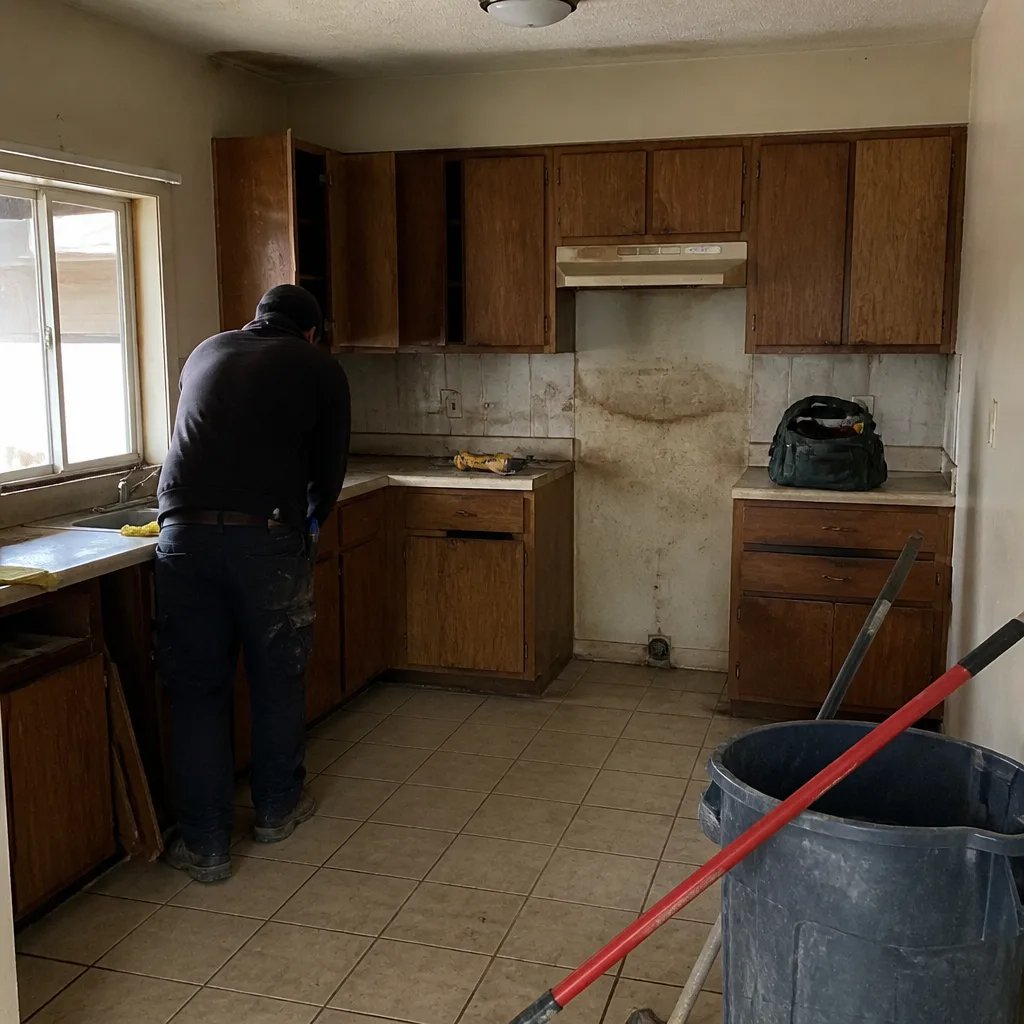 Before
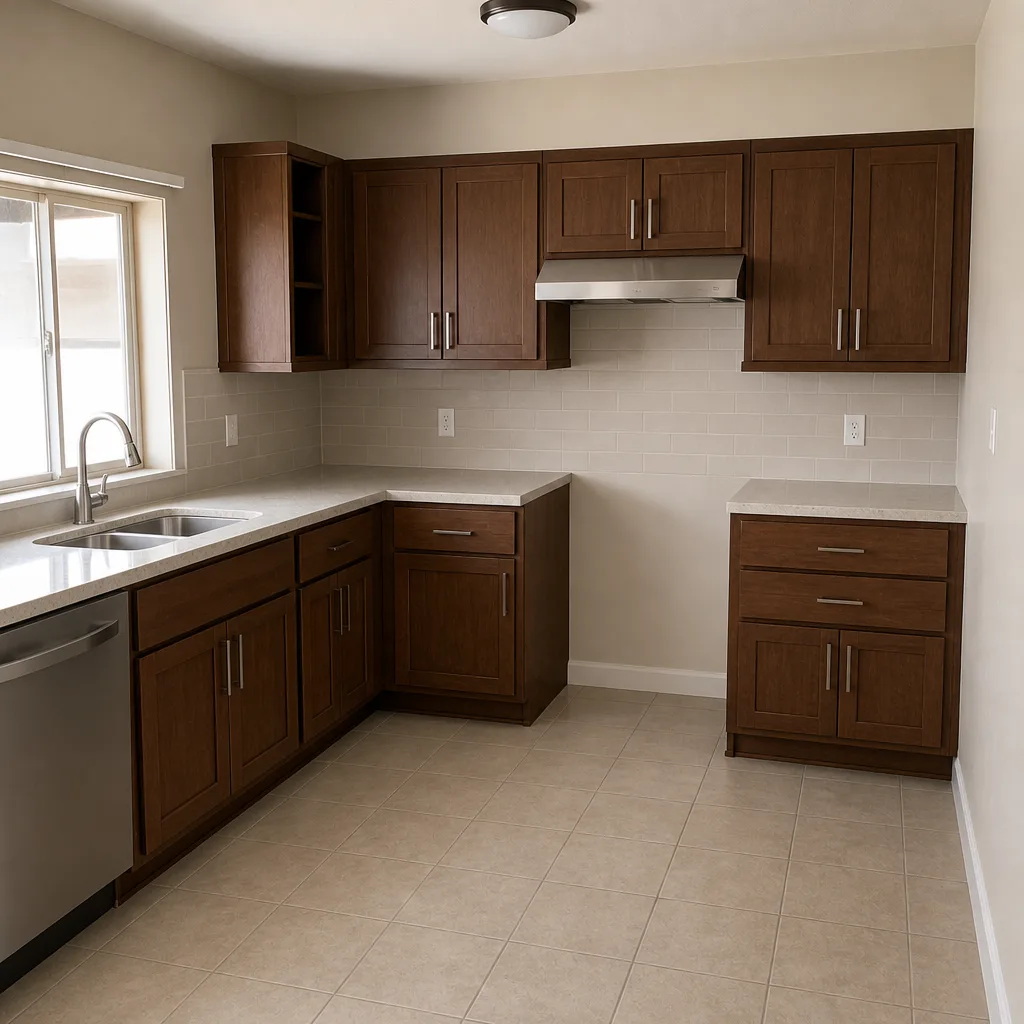 After
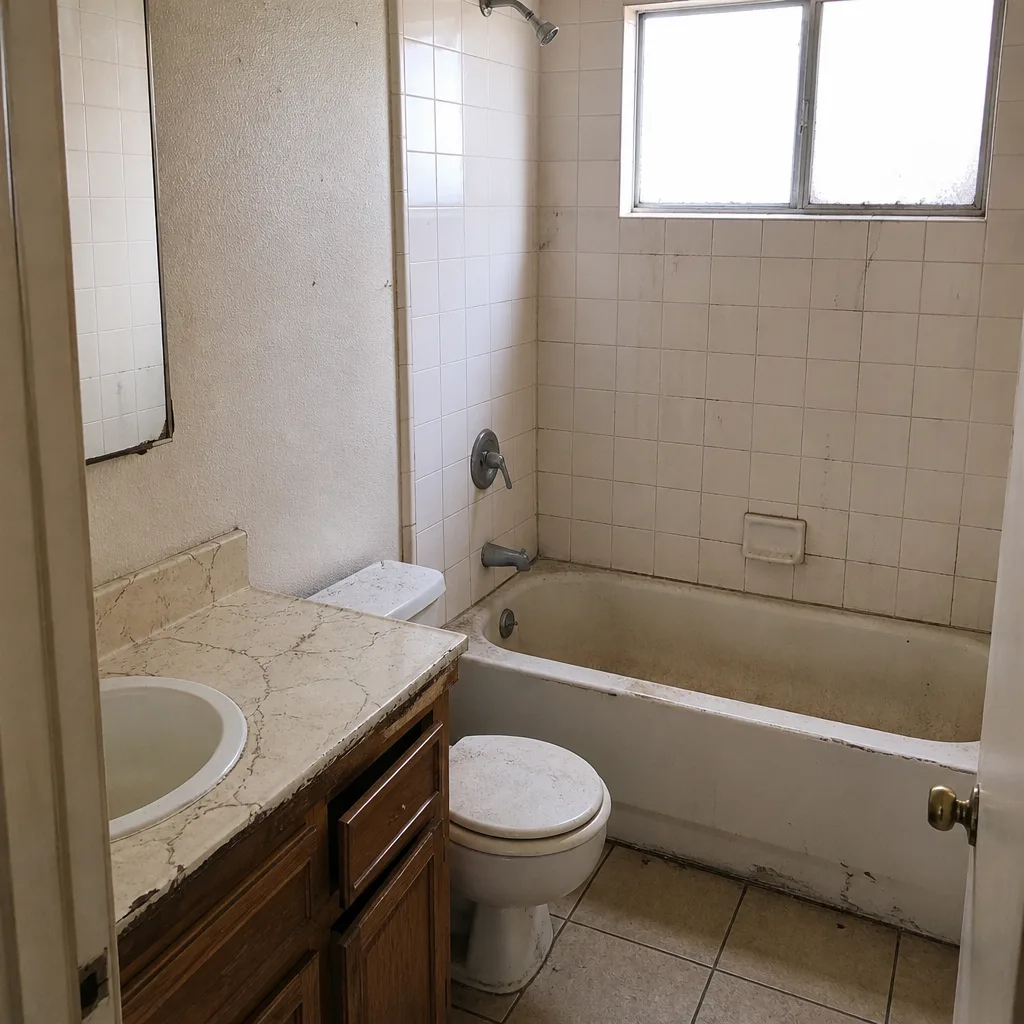 Before
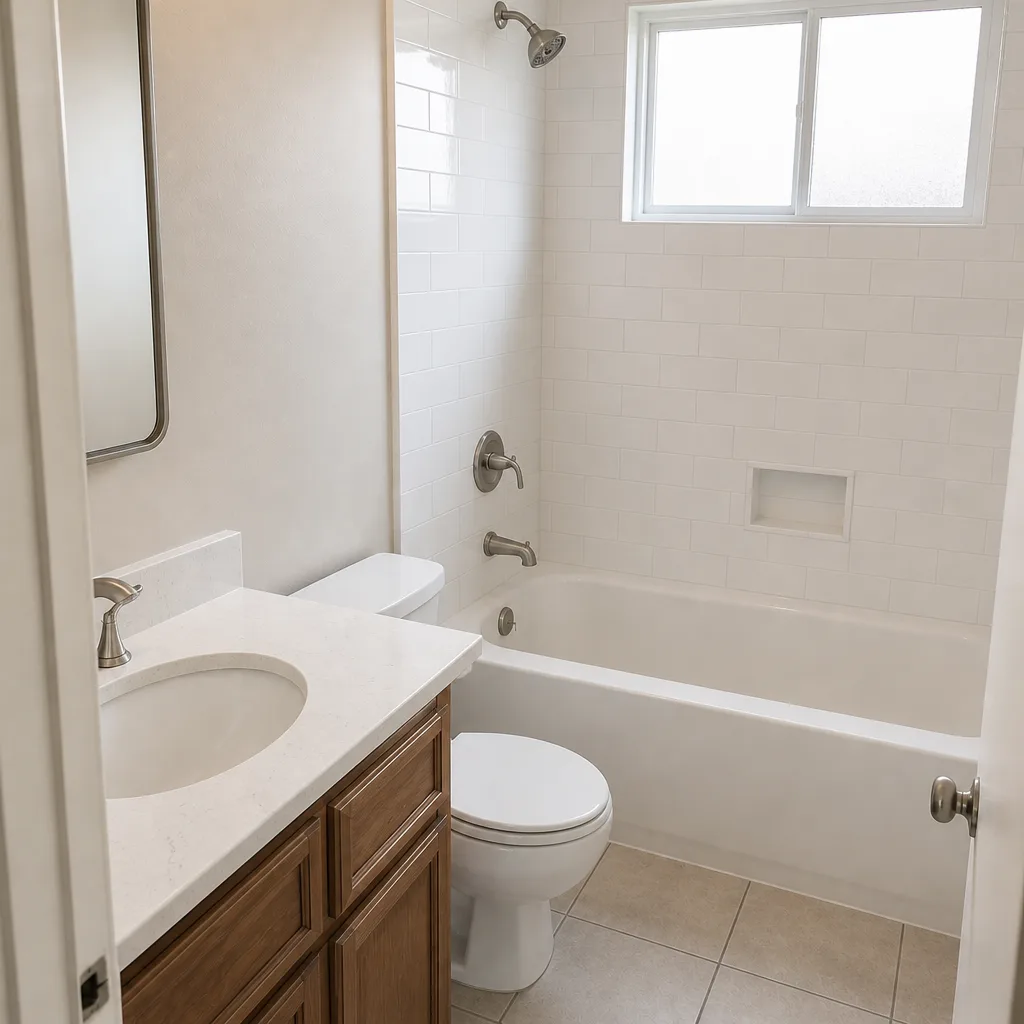 After
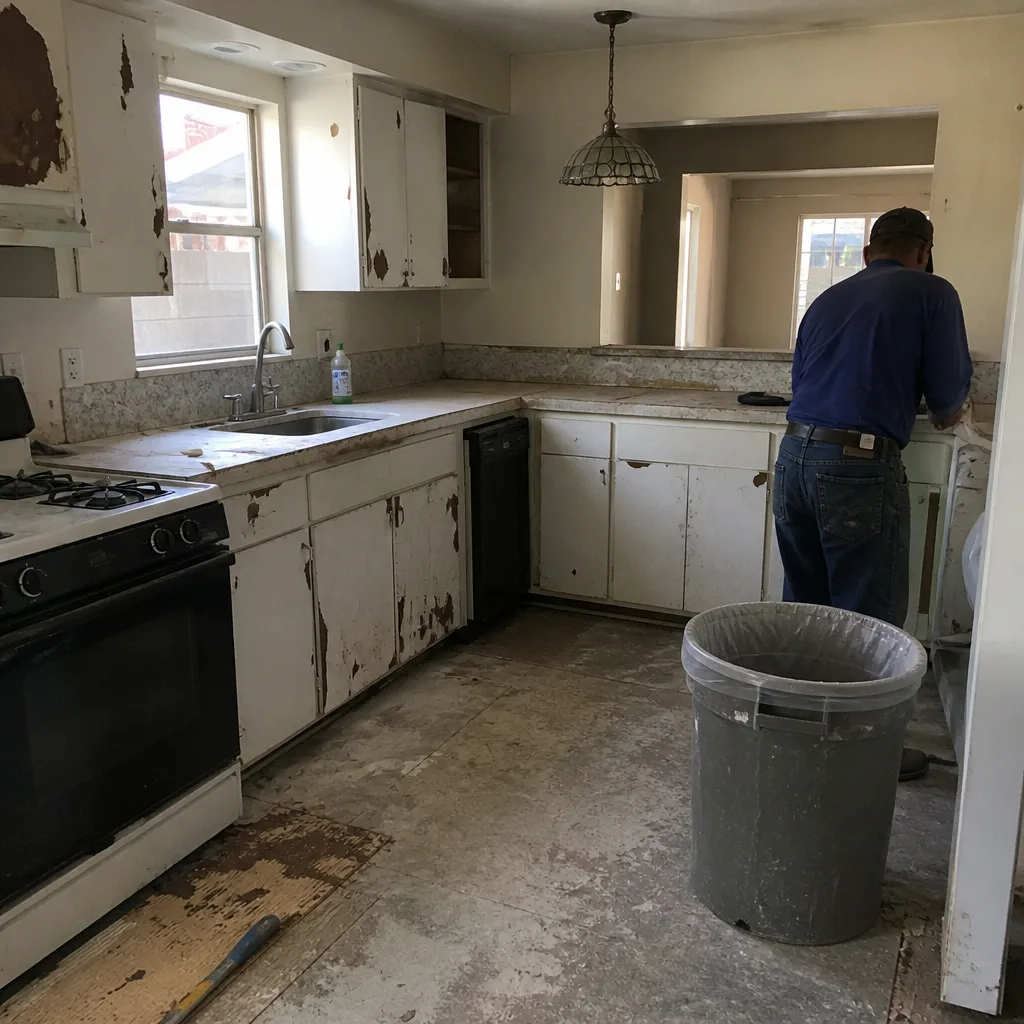 Before
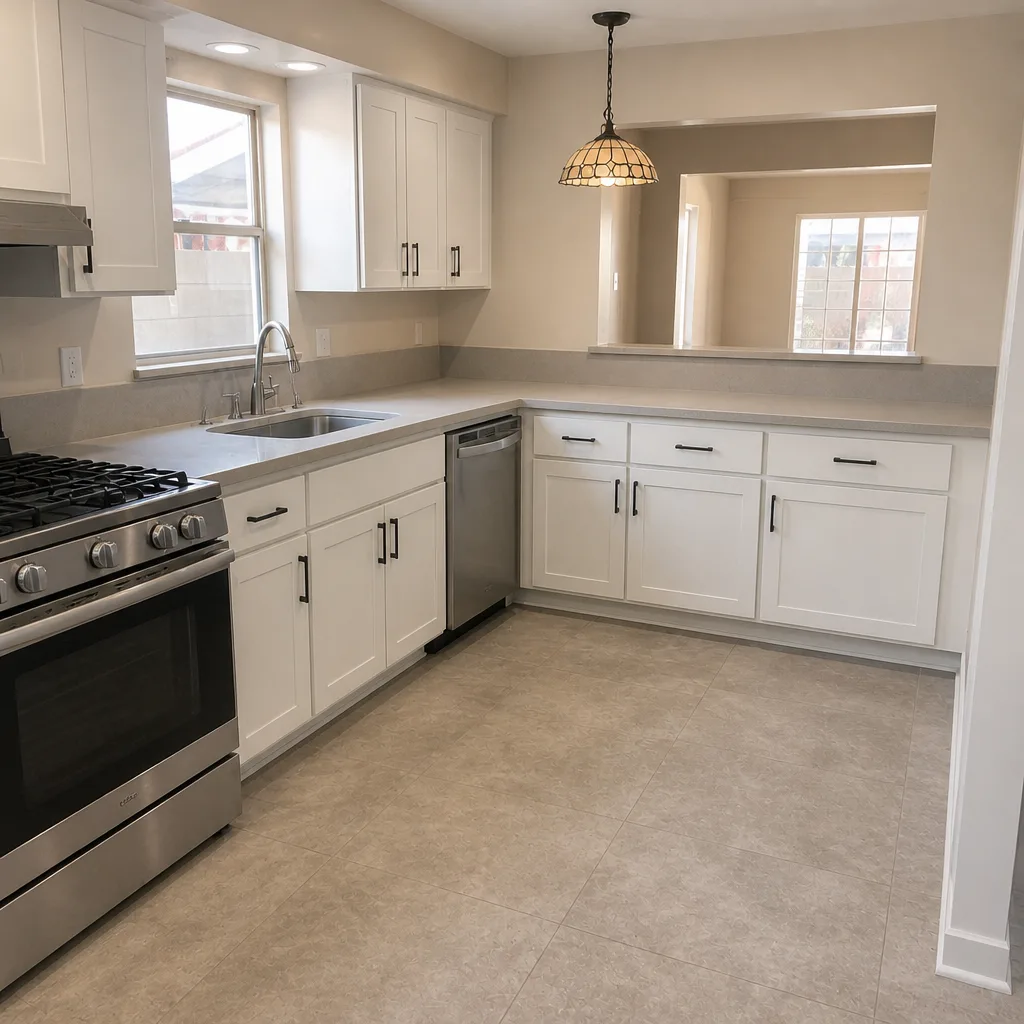 After
Frequently Asked Questions

Kitchen remodels in Sunrise Manor typically run $18,000 – $55,000, depending on layout, cabinet line, and countertop material. Layout changes and stone countertops push the number toward the high end. Call (844) 972-4834 for a written price before any work starts – estimates are free.
Swollen particleboard behind the toe kick panel nearest the dishwasher is the clearest sign of a slow leak and hidden moisture. If you find it, have it assessed before buying new materials.
Yes. A verbal estimate gives you nothing to hold anyone to, and it changes at the door. Ask for the scope and the price in writing before you sign anything.
It usually means the final bill will be higher than the contract. A fair allowance is tied to a named material and slab – a Cambria, Silestone, or Caesarstone countertop runs well above a round placeholder in this market. Call for a written number that names the material.
Ask for the guarantee in writing. Ours is the 365-Day Done Right Promise: if the work fails inside the guarantee period, we come back and fix it at no charge. It’s included in the contract, and the phone is answered by a live person whenever you call.
Yes. We pull the permits and schedule the required inspections as part of the job, so nothing gets rushed past. If a contractor shrugs when you ask who handles permits, that’s your warning sign.
The Bottom Line
Read both categories of warning signs before you spend a dollar. Look inside your own kitchen – toe kick panel, subfloor soft spots, wiring, venting – and photograph what you find. Then read the contractor: a written price before any work starts, a verifiable license, a named scope, and an arrival window in writing. A low round countertop allowance and vague scope language are where final bills climb. When a contractor hands you a written number, a defined arrival window, and a guarantee you can hold them to, you’ve found the one to hire. Call (844) 972-4834 for a free estimate in Sunrise Manor. We’re happy to walk you through it.
Written by the team at Penhallow Remodeling Sunrise Manor.