








Free written scope consultation - allowances, timeline, and change-order rules on paper before a single trade is scheduled
Styles & brands we work with
- Kitchen remodeling
- Bathroom remodeling
- Home additions & ADU
- Roofing
- Windows & doors
- Driveway & pavers
- Fence
See the difference
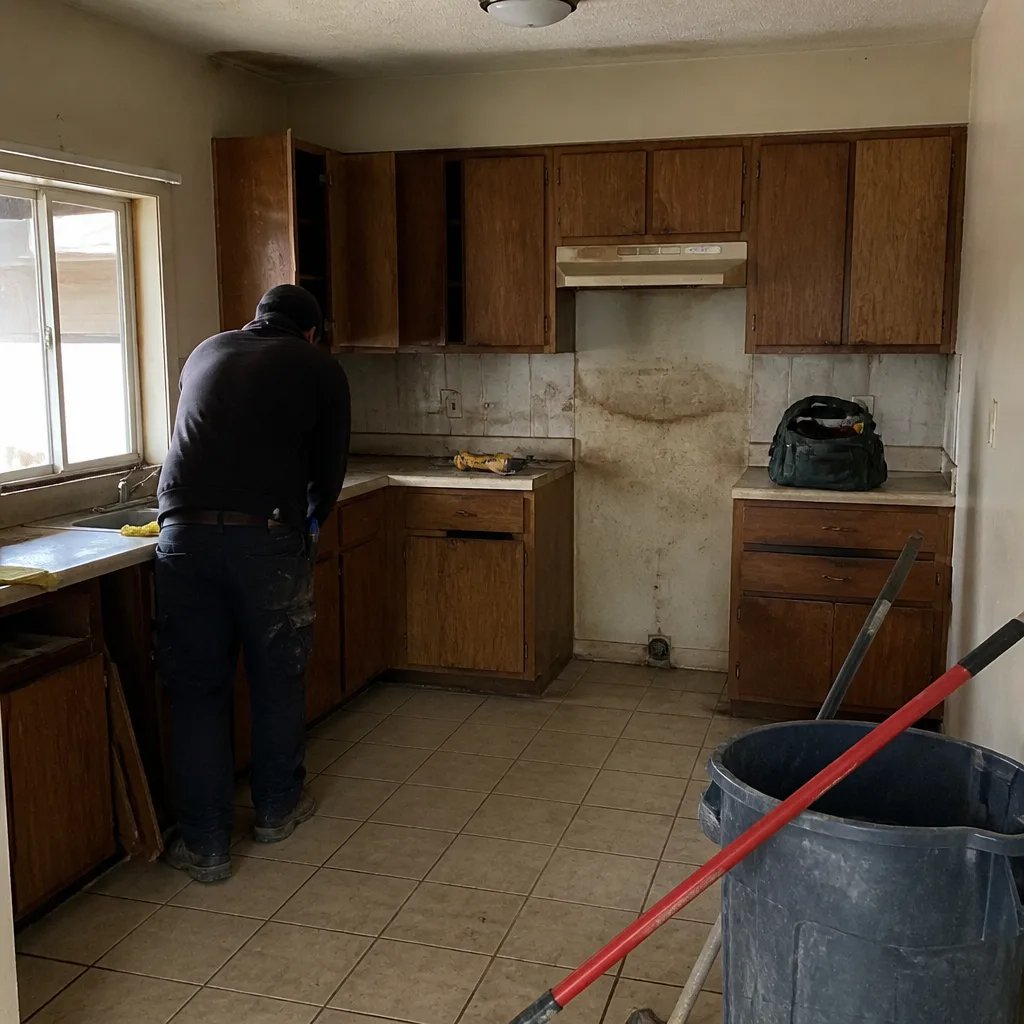 Before
 After
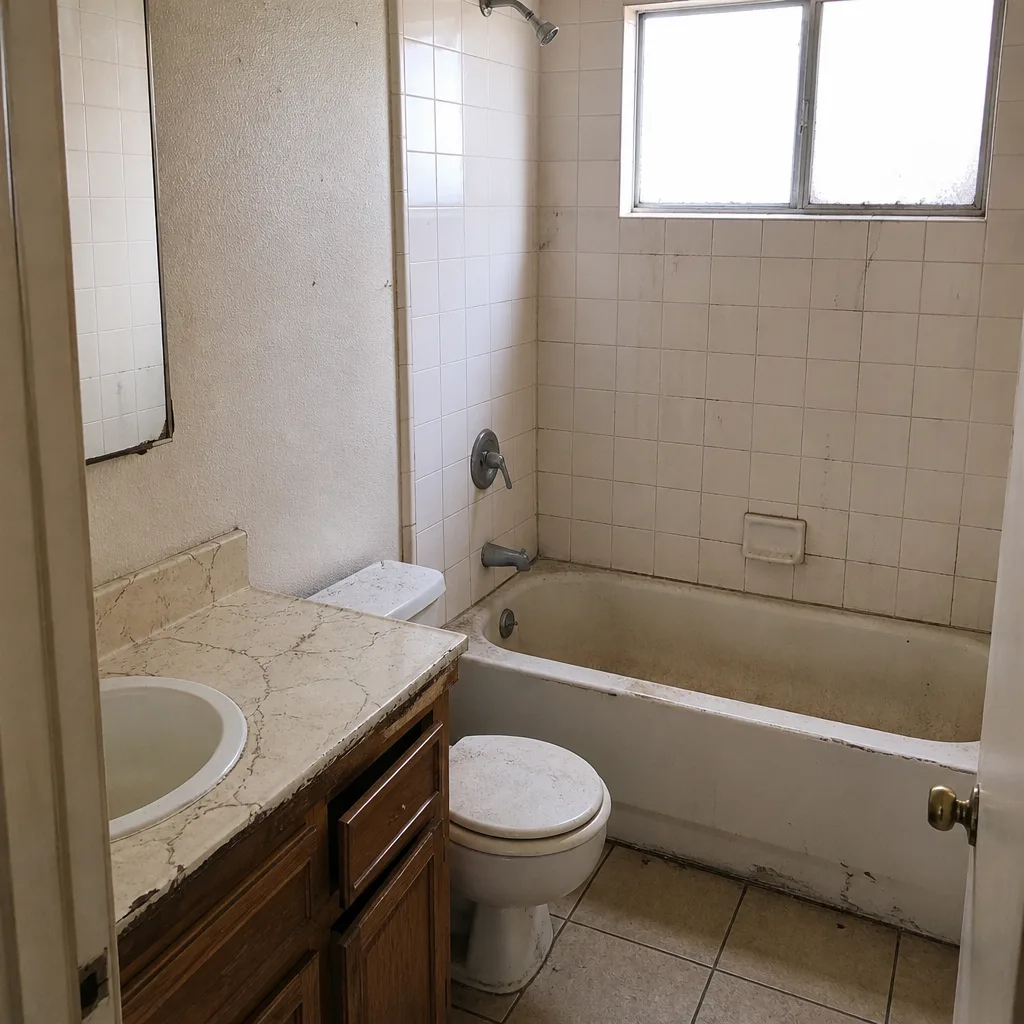 Before
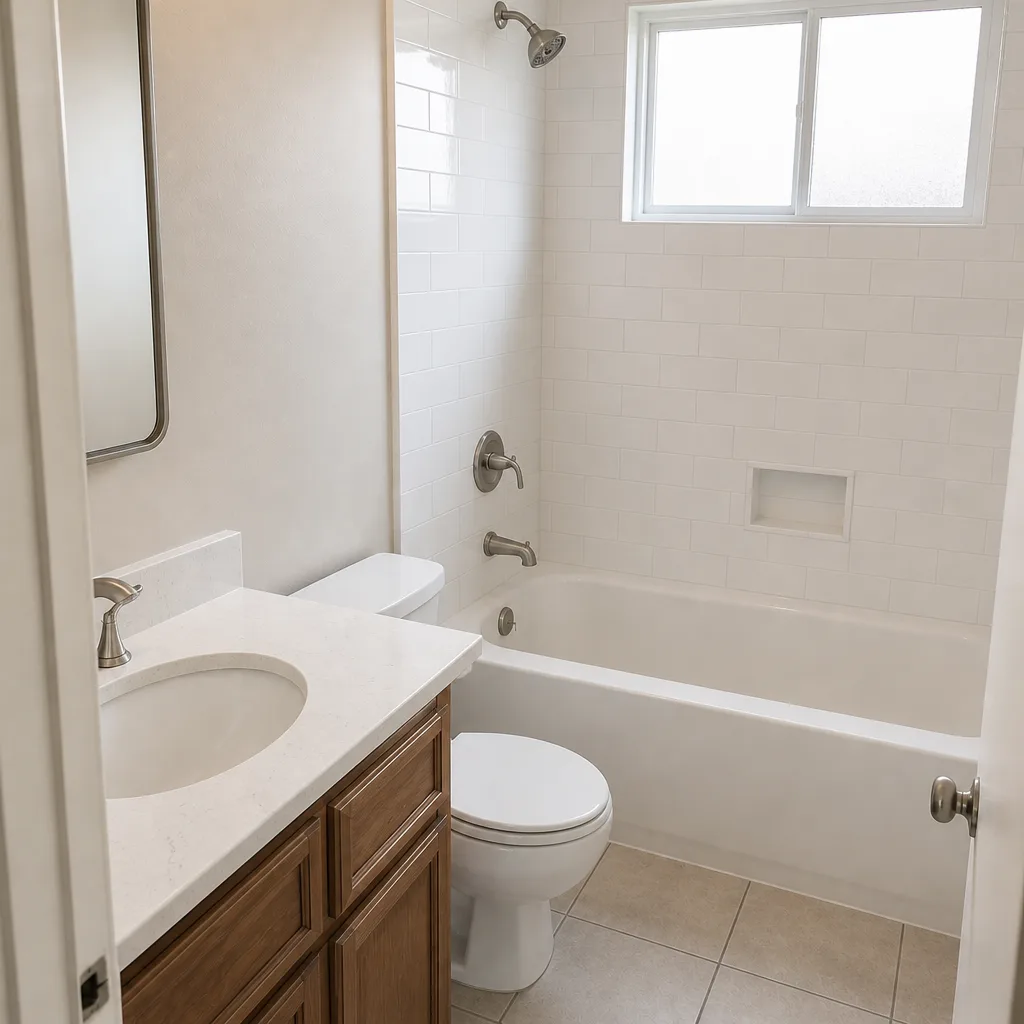 After
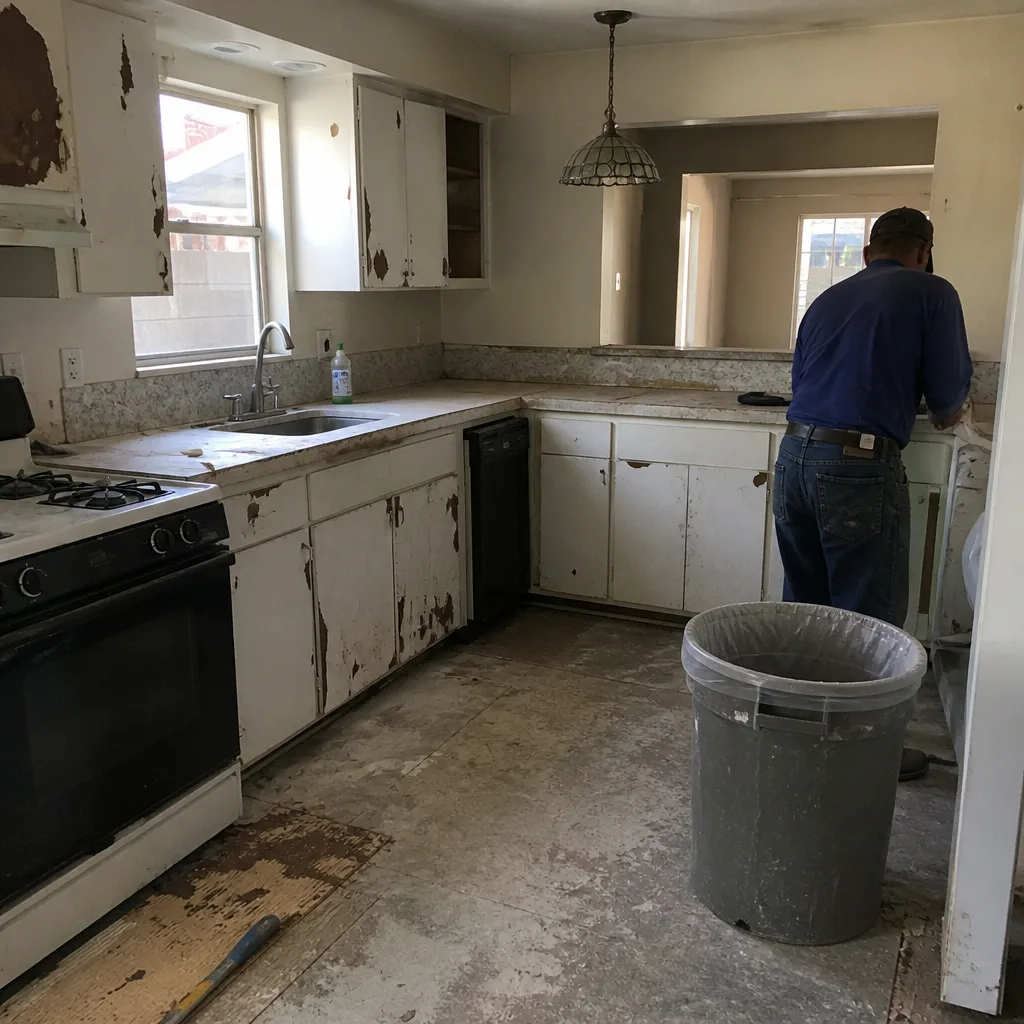 Before
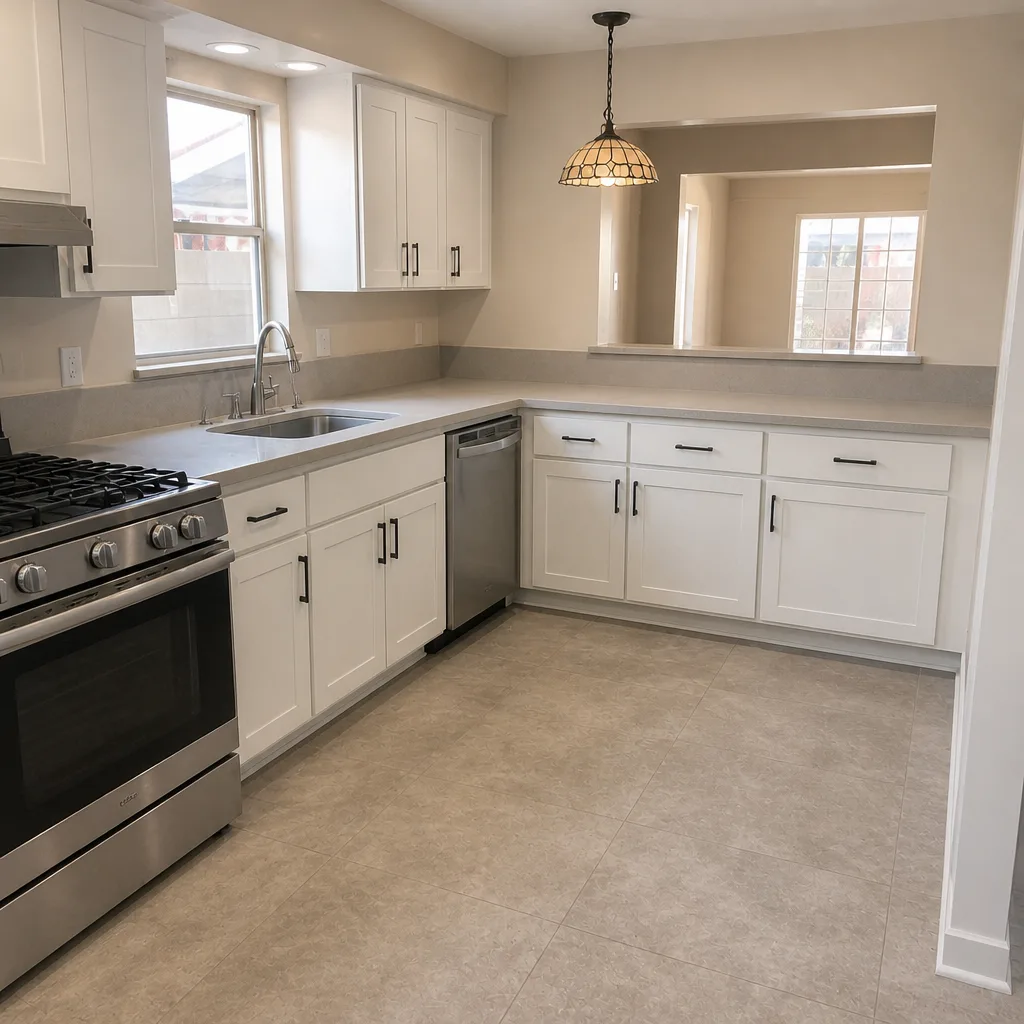 After
What Does a General Contractor Do in Sunrise Manor, NV?
A general contractor in Sunrise Manor is the person who pulls the permits, schedules and supervises every licensed trade on your project, and answers for the work when it’s finished. Here that means routing applications through Clark County Development Services, sequencing concrete and roofing crews before dawn to beat triple-digit heat, and grading exterior work so monsoon runoff has somewhere to go. You hire one point of responsibility instead of five separate trades who don’t talk to each other. If you want that handled for you, call Penhallow Remodeling Sunrise Manor at (844) 972-4834.
Most explanations of the job describe it in a vacuum. Ours can’t, because a remodel on a 1972 stucco tract home off Nellis Boulevard runs nothing like a project in a city with its own permitting counter on the ground floor. Here’s what the role actually looks like.

Permits, and Why Sunrise Manor Makes Them Their Own Job
Sunrise Manor is an unincorporated Clark County township, not a city. There’s no municipal building department to walk into and ask a question at the window. Permits, plan reviews and inspections run through the county, and the inspection schedule you get isn’t the same one your neighbor in North Las Vegas gets a mile up the road.
That jurisdictional split is a real source of trouble. Contractors who work mostly inside the City of Las Vegas or North Las Vegas sometimes assume the same codes and the same inspection cadence apply here. They don’t, and a failed inspection costs you weeks.
When we act as your general contractor in Sunrise Manor, the permit work is ours, not yours:
- Filing the application and assembling the drawings, scope and product specs the county wants to see
- Knowing which projects need a permit and which don’t (a vanity swap and a wall relocation don’t live in the same category)
- Scheduling each inspection and meeting the inspector on site so you don’t burn a day of leave
- Handling the correction notice if something fails, and getting it re-inspected
If you’re planning a whole-home remodel, that permit chain is longer and starts earlier than most homeowners expect. Getting it wrong at the front is the slowest possible way to build a kitchen.
The Sun Sets the Schedule: Sequencing Work in Mojave Heat
Summer highs in Sunrise Manor routinely pass 105°F, and that reshapes the whole calendar. Concrete doesn’t cure well when it’s poured at 2 p.m. in July; it sets too fast and cracks. Stucco applied in direct afternoon sun dries unevenly and loses bond. Roofing crews working a low-slope membrane in that heat are fighting material performance and heat illness at the same time.
So the general contractor’s job here includes deciding what happens at 5:30 a.m. A few things we plan around:
- Dawn starts for exterior trades. Concrete pours, roofing tear-off and stucco go early. Interior trades can work all day in conditioned space.
- Fall and winter for big exterior work. A full re-roof or a room addition shell is genuinely easier to build in November than in August.
- UV-rated materials. Roof underlayments and exterior coatings here take sun exposure that shortens the life of standard-grade products. Specifying for it is a management decision, not a line item you notice.
- Grade and drainage. Monsoon downpours expose every flat and low-slope roof that was never pitched for real rain. Any change to exterior grade needs a drainage plan before the concrete truck arrives.
None of that shows up in the generic answer to “what does a general contractor do.” All of it decides whether your project finishes on time.

Subcontractors: Who’s Actually Doing the Work, and Who’s Responsible
A general contractor doesn’t do the electrical, plumbing and HVAC work personally. They hire licensed subcontractors for each trade, coordinate the order in which those trades appear, and carry legal responsibility for the work being code-compliant when it’s inspected.
In Sunrise Manor’s older housing stock, that coordination gets specific fast. Much of the housing here went up between the 1960s and 1990s, which puts a lot of it at 30 to 60 years old. On a kitchen or bath remodel in that stock, we routinely find:
- Panels that can’t carry a modern kitchen’s circuit load, so a subpanel upgrade has to happen before the new range or dishwasher goes in
- Cast-iron drain lines that have narrowed or corroded and need replacing while the wall is open
- Underlayment and flashing at the roof-to-wall joint that sun and day-night temperature swings have dried out and cracked
Finding those at demo day is how a budget blows up. Finding them during a walkthrough is how you get a written number you can hold someone to.
Written Price Before Any Subcontractor Is Called
Here’s the part of the general contractor role that most explainers skip: pricing. Before we call a single electrician or plumber, the homeowner gets a written price for the full scope. Not a range. Not a verbal ballpark that changes when the drywall comes down. A written number on paper.
That’s the Kingswell Way, and it runs on four rules: say the price before the work, show up in the window we gave, leave the place cleaner than we found it, and stand behind it in writing. Say the price before the work matters most when a GC is managing six trades, because the homeowner should never be reconciling five separate invoices after the fact.
For reference, typical project ranges in Sunrise Manor:
| Project | Typical range |
|---|---|
| Kitchen remodel | $14,000-$45,000 |
| Small kitchen remodel | $9,000-$20,000 |
| Bathroom remodel | $9,000-$28,000 |
| Small bathroom remodel | $5,000-$12,000 |
| Walk-in shower installation | $4,500-$12,000 |
| Home addition | $45,000-$130,000 |
| Roof replacement | $8,000-$20,000 |
The spread inside each range comes from layout, cabinet line and countertop material. KraftMaid and Wellborn cabinetry and Cambria, Silestone and Caesarstone counters sit at different points on that curve, and we walk through the difference before you commit. Fixtures from Kohler and Moen are the same story: a straightforward swap versus a layout change that moves the supply lines are two different jobs.
After the Last Truck Leaves: The 365-Day Promise
The job isn’t over at final inspection. Punch-list items get closed, warranty calls get answered, and if something we installed fails within a year, we come back and fix it at no charge. That’s the 365-Day Done Right Promise, and it’s in writing on every project.
This is where a lot of general contractors hand you off. The sub who set the tile is gone, the trim carpenter is on another job, and you’re the one chasing people. A GC who stands behind the work doesn’t pass that along. If a repair fails, the return visit is free, no service call fee and no re-inspection charge.
Two more things we hold to as standard practice: technicians are background-checked and arrive in uniform, so you know who’s in your house. And a real person answers the phone around the clock, so a question at 7 p.m. doesn’t sit in a voicemail box until Tuesday.
How Much Does It Cost to Hire a General Contractor in Sunrise Manor?
There’s no flat GC fee, because the general contractor’s cost is built into the project price rather than tacked on separately. In practice, your total for a Sunrise Manor kitchen lands between $14,000 and $45,000, a bathroom between $9,000 and $28,000, and a home addition between $45,000 and $130,000. What drives the number up: subpanel upgrades, cast-iron drain replacement, and any scope change discovered after demo. What keeps it down: a layout that stays where it is.
FAQs
For anything beyond a cosmetic refresh, yes. A bathroom remodel that moves plumbing or electrical needs a permit through Clark County, and that permit requires a licensed contractor to pull it and meet the inspector. A simple vanity and fixture swap usually doesn’t. Call (844) 972-4834 and we’ll tell you which side of that line your project falls on.
A general contractor pulls permits, carries responsibility for licensed trade work being code-compliant, and coordinates the sequence across electricians, plumbers and HVAC. A handyman can’t legally pull most permits or sign off on trade work. The difference matters most on anything that touches structure, wiring, gas or water lines.
Plan on six to ten weeks for a typical kitchen here, and count the permit review before that. The Clark County application and inspection timeline is the variable, and it’s longer than homeowners expect. Dawn-start scheduling in summer helps, since exterior work during a kitchen remodel is usually minimal. Call (844) 972-4834 for a written timeline with your written price.
One contractor handles it. A general contractor brings in the licensed trades, sequences them, meets the inspectors, and holds the price you agreed to. Hiring each trade yourself means you’re the one managing the schedule and absorbing every delay. We’d rather you make one call than eight.
Talk to Us Before You Pick Up a Hammer
If you’d rather have it looked at, Penhallow Remodeling Sunrise Manor offers a no-pressure assessment in Sunrise Manor. We’ll walk the space, tell you what the permits require, and put a written price in your hands before any work starts. Call (844) 972-4834 for a free estimate.
Written by the team at Penhallow Remodeling Sunrise Manor, serving Sunrise Manor, NV.