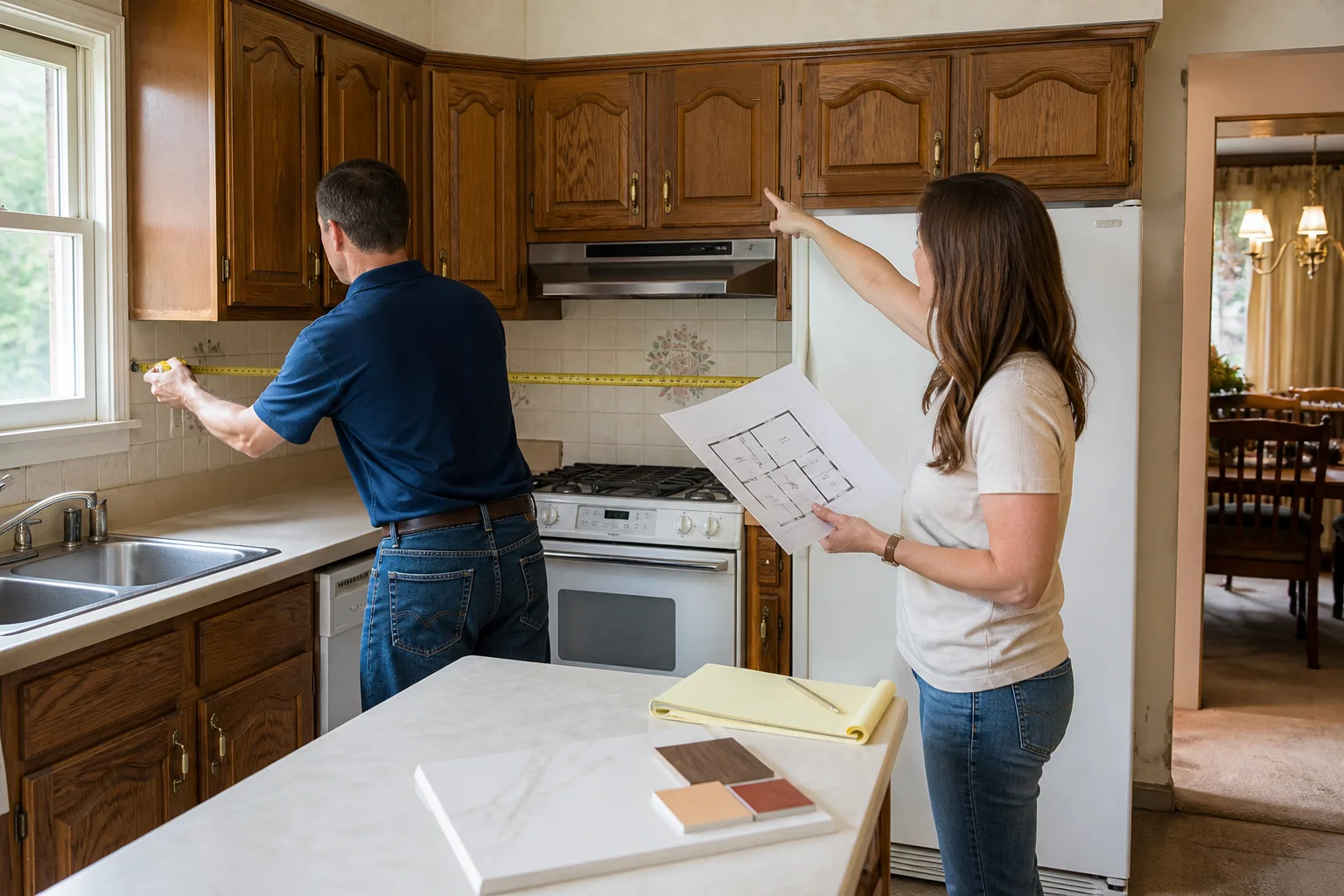
Last updated November 17, 2026








Free written scope consultation - allowances, timeline, and change-order rules on paper before a single trade is scheduled
DIY vs Professional General Contractor: What’s Safe to Do Yourself
Here’s the part most DIY guides leave out: in Clark County, a homeowner who pulls an owner-builder permit and builds something that fails inspection can be ordered to demolish it, not just fix it. Structurally sound doesn’t matter. Legal doesn’t either, if the work was never inspected in the first place. The line between safe DIY and dangerous DIY in Sunrise Manor isn’t drawn by skill or confidence. It’s drawn by permit requirements, liability, and what a buyer’s inspector will flag five years from now. This guide draws that line, task by task, so you don’t cross it by accident.
Quick Answer
You can legally self-perform cosmetic work, demolition inside permitted walls, painting, and finish carpentry on your own home under a Clark County owner-builder permit. You cannot legally self-perform work that requires a licensed trade, like electrical, plumbing, gas, or structural changes, even if you have the skill. Hire a licensed professional for anything with a permit attached, a load-bearing component, or a fixture tied to gas or the electrical panel.
Styles & brands we work with
- Kitchen remodeling
- Bathroom remodeling
- Home additions & ADU
- Roofing
- Windows & doors
- Driveway & pavers
- Fence
Table of Contents
- Where Nevada Law Draws the Line
- The Owner-Builder Permit, Explained
- The Resale Test: What Buyers and Appraisers Discount
- Where DIY Genuinely Makes Sense
- The Bathroom Problem in Sunrise Manor
- The Liability Gap Nobody Warns You About
- How to Pull a Permit and Pass Inspections
Where Nevada Law Draws the Line
Nevada law is more forgiving of homeowners than most people assume, but it’s specific about what that forgiveness covers. A homeowner can act as their own general contractor on their primary residence, which means managing the project, pulling the permit, and doing permitted work themselves. What you can’t do is hire unlicensed tradespeople or self-perform work that falls under a licensed trade’s scope, like electrical, plumbing, mechanical, or structural engineering. Those are legal no-trespass zones regardless of your skill level.
The distinction matters more than people realize. If you’re doing work that doesn’t require a permit, like repainting a bedroom or swapping a light fixture for one on an existing circuit, no permit is required and no licensed trade is required. But once the work touches a permit or a licensed scope, the state steps in. In our experience working across Sunrise Manor, this is where homeowners get caught. They’ll frame out a wall in the garage because it looks easy, and the inspector makes them tear it out because it wasn’t permitted and it wasn’t in a licensed trade’s scope.
Here’s the practical breakdown:
- Legal self-perform: painting, drywall patching, carpet removal, finish carpentry, cabinet installation in an unplumbed wall, tile setting in an unpermitted area
- Requires a permit, but you can self-perform: interior framing that isn’t load-bearing, finish electrical work on an already-inspected rough-in (be careful with this one), interior finishes
- Requires a licensed trade, full stop: electrical panel work, new circuits, plumbing rough-in, gas line work, HVAC, load-bearing structural changes, sewer or water line work
That third category doesn’t move. Not if you have a firefighter’s certification, not if you’re an engineer, not if you watch forty hours of video. Nevada’s contractor licensing board enforces this, and the penalty for unlicensed work in a licensed scope isn’t just fines. It can be a stop-work order and a forced redo.
The Owner-Builder Permit, Explained
An owner-builder permit is what lets you self-perform work on your own primary residence without being a licensed contractor. In Clark County, you pull it through the county’s building department, you have to sign an affidavit stating the property is your primary residence and that you’re doing the work yourself, and you have to pass the same inspections a contractor would. It’s the legal path to doing more than cosmetic work, and it’s more accessible than most people think.
The catch is what happens after. An owner-builder permit lets you sell the property later, but the county can require you to disclose the permit at any point, and there’s a shorter resale window for owner-builder properties. In some cases, an owner-builder permit triggers a one-year sale restriction if you pulled the permit for a property that isn’t your primary residence. Pull. The. Right. Permit. Ask the county office to help you understand the restrictions before you file. We’ve seen homeowners in Sunrise Manor pull the wrong permit and end up having to redo the entire remodel to reset the timeline.
Two things you must do before any work starts:
- Confirm the work is permitted and that you’re doing it as your primary residence, not a rental property
- File the owner-builder affidavit and schedule the pre-inspection before any demo
And after work starts, you’ll schedule inspections at defined milestones:
- Foundation or framing inspection: before you close walls, before you pour
- Rough-in inspections: electrical, plumbing, and mechanical, all before insulation
- Insulation and drywall inspection: before drywall goes up
- Final inspection: after finishes, before you move furniture in
Skipping the pre-inspection is the most common mistake we see. It seems like a formality. It isn’t. If your plans are wrong, you want to know before you demo anything, not after. If you’re wondering how this compares to working with a professional, the General Contractor in Sunrise Manor guide walks through what permit management looks like when someone else handles it.
The Resale Test: What Buyers and Appraisers Discount
The resale test is simple: ask yourself whether a buyer’s inspector would flag this work in five years. If the answer is probably, the savings from doing it yourself is a loan you’re taking out against your property value. Appraisers, in particular, will discount upgrades that show signs of amateur work or that have no permit trail. A finished basement is worth less if it’s not permitted. A bathroom remodel is worth less if the inspector spots water damage from a shower pan that was set wrong.
In our experience with resale values in Sunrise Manor, these are the improvements most likely to get flagged:
- Unpermitted additions and converted garages. These are usually the biggest discounts, because buyers can’t finance them or insure them cleanly.
- Unpermitted bathrooms and kitchens. A buyer’s agent will look for the permit trail. If there isn’t one, they’ll deduct the cost of a full redo.
- DIY plumbing. Even good DIY plumbing gets flagged because inspectors can’t verify it. Sloped shower pans, in particular, are a known amateur failure point.
- DIY electrical. Wrong wire size, aluminum pigtails, ungrounded outlets, and new breakers in a full panel all get flagged, and some of these are actual fire hazards.
- Foundation cracks and drainage work. Because Sunrise Manor’s clay soil expands and contracts with the monsoon, any crack is inspected carefully. If it was patched with a DIY product, the buyer’s inspector will call it out.
The net effect is that DIY savings on a permitted task often vanish at closing. We’ve seen homeowners save $4,000 by installing their own bathroom and then lose $12,000 at resale because the buyer asked for the full cost of redoing it with a permit. The math almost never favors unpermitted work. If you’re trying to decide how far to push a kitchen project, the Kitchen Remodeling in Sunrise Manor page lays out what’s typically inspected and why.
Where DIY Genuinely Makes Sense
The good news is that plenty of what makes a home feel renovated is genuinely safe and legal to do yourself. Painting, demolition inside permitted walls, finish carpentry, and small cosmetic upgrades are all work a careful homeowner can do without a permit, without a trade license, and without creating a liability problem. The trick is scoping those tasks so they don’t accidentally touch a permitted scope.
Where DIY pays off most, in our experience:
- Painting. The classic DIY win. Interior walls, ceilings, trim, and cabinets if you’re patient. You’ll save real labor cost and avoid no permit or trade exposure.
- Demo inside permitted walls. Tearing out cabinets, flooring, tile, and old drywall inside a permitted area is legal and saves a lot. Just never break into a wall without a plan for what’s behind it.
- Finish carpentry. Baseboards, crown molding, door and window casings. These require a clean eye and patience, not a license.
- Cosmetic upgrades. Swapping fixtures, installing a new vanity top, or updating hardware on existing cabinetry. No trade license required as long as you’re not moving plumbing or electrical.
- Cabinet installation. If the cabinets aren’t moving plumbing or gas, you can hang them yourself. We usually recommend a pro for a full kitchen, but a linen closet or laundry room cabinet install is realistic DIY.
What makes these safe to do yourself is the scope. None of them move a pipe, add a circuit, or touch a load-bearing wall. They’re surface-level changes. A useful rule of thumb: if the task requires opening a permit or moving a wire or pipe, stop and call a licensed professional. If the task is paint, demolition, or finish work, you’re on solid legal ground. If you’re planning a bathroom refresh, the Bathroom Remodeling in Sunrise Manor page is worth reading before you start, because bathrooms are the one room where cosmetic DIY can slip into a permitted scope fast.
The Bathroom Problem in Sunrise Manor
Bathrooms are where the DIY line gets blurry in Sunrise Manor, and it’s because of water. Sunrise Manor sits in a hot desert climate with hard water and dramatic monsoon season, and bathrooms here take more punishment than bathrooms in most of the country. Shower pans that aren’t sloped perfectly, waterproofing that’s done with the wrong product, and tile set directly on drywall all fail faster in this climate. We’ve seen shower failures show up in as little as eighteen months when the waterproofing was wrong.
The specific risk with DIY bathroom work is that the failure is invisible until it’s expensive. A wrong sloped shower pan doesn’t leak on day one. It leaks slowly, and by the time you see the stain on the ceiling below, the subfloor and framing are affected. In Sunrise Manor, where slabs and clay soil are common, that slow leak can also undermine exterior drainage or enlarge a foundation crack that was minor before.
Bathroom work splits cleanly into the two categories:
- Safe to DIY: regrouting, replacing a toilet (if you use a new wax ring and check for leaks immediately), painting, replacing a vanity that doesn’t move plumbing, swapping a mirror or light fixture on an existing circuit
- Professional required: shower pan installation, tub removal and replacement, moving a drain, waterproofing a wet area, tile work where the substrate isn’t already approved, electrical work near water
Waterproofing is the piece most homeowners underestimate. A properly built shower requires a sloped pan, a waterproof membrane (like a bonded sheet or a liquid membrane rated for wet areas), a vapor barrier, and a cement board substrate (the moisture-resistant layer behind your tile). Skipping any layer makes the shower a future repair. If you’re going to touch a shower, hire a licensed professional and let them carry the permit. It’s the one bathroom task where DIY almost never pays off, and where the failure you don’t see is the one that costs the most.
The Liability Gap Nobody Warns You About
Homeowner’s insurance almost never covers structural failure that results from unpermitted self-performed work. That’s the gap. If your homeowner policy covers water damage, but the water damage is caused by unpermitted self-installed plumbing, the carrier will usually deny the claim on the grounds that the work was never inspected and never permitted. The same holds for electrical fires from DIY work and for structural failures from self-framed load-bearing changes. You can be current on premiums and still get denied.
The gap goes further. If someone gets hurt on your property, or if a future owner discovers the work and sues, your liability exposure is wider than you’d expect. A buyer’s inspector who flags unpermitted work can trigger a claim against the seller, and an unpermitted addition can void parts of a title policy. Because the work was never inspected, there’s no record that it was safe, which means you’re holding a claim that insurance can legally refuse.
Permission, inspection, and insurance are the three legs of the same stool. Skip the permit, and you skip the inspection, which gives your insurance carrier a legal reason to walk. This is the part of the DIY decision that most guides skip, and it’s the part that costs the most when it goes wrong. It’s also the reason a professional general contractor is worth the margin even on work you’re sure you could do yourself. The contractor carries the liability, pulls the permit, and passes the inspection, which means the guarantee extends past the day the crew leaves.
That structure matters. Penhallow Remodeling operates under The Kingswell Way, which requires a written price before any work starts, a defined arrival window, a clean job site, and a written guarantee on every project. The 365-Day Done Right Promise means if the work fails inside a year, we come back and fix it at no charge, in writing. That doesn’t just cover the work. It covers the liability you’d otherwise be holding yourself if you’d done it unpermitted.
How to Pull a Permit and Pass Inspections
If you’ve decided to self-perform work that requires a permit, here’s the process in order. It’s not complicated, but it is sequential, and skipping a step resets the whole thing.
- Call the Clark County building department and describe the work. Ask specifically which permit you need and which inspections will be scheduled. Confirm whether the property is your primary residence, because the owner-builder affidavit depends on it.
- Submit plans if required. Cosmetic work usually doesn’t need plans. Structural or mechanical work does. Ask before you file.
- Complete the owner-builder affidavit. This is the document that lets you act as your own contractor on your primary residence. It’s not optional and it’s not retroactive.
- Schedule and pass the pre-inspection. Do this before any demo. It catches plan mistakes early and prevents the most expensive kind of redo.
- Schedule inspections at each milestone. Rough-in, insulation, drywall, and final. Don’t close a wall before the rough-in inspection has signed off.
- Collect documentation for every inspection. Keep the sign-off sheets, the permit number, and the photos. A future buyer will ask for them, and a future insurance claim may too.
If you’re going to hire a professional for any part of the work, ask for a written scope that names the permits they’ll pull, the inspections they’ll schedule, and the guarantee that covers the result. That written scope is what protects you at resale and at claim time. If you’re planning a full-home remodel, read Penhallow Remodeling Sunrise Manor home to see how the guarantee is structured before you choose a contractor.
Common Mistakes to Avoid
- Skipping the pre-inspection. It’s the cheapest step and catches the most expensive mistakes. Schedule it before any demo, always.
- Assuming the owner-builder permit covers everything. It doesn’t. It covers permitted work on your primary residence, not licensed-trade work, not rental property, and not work on a home you don’t occupy.
- Framing a wall in the garage because it “looks easy.” If it’s load-bearing or it changes a permitted space, the inspector will make you tear it out, even if the work is structurally sound.
- Doing bathroom shower pans yourself. In Sunrise Manor’s climate, wrong waterproofing fails fast, and the failure is invisible until it’s a $10,000 repair.
- Forgetting the insurance conversation. Call your carrier and ask, in writing, whether your policy would cover structural failure from unpermitted self-performed work. The answer is usually no.
- Ignoring the resale window. An owner-builder permit can carry resale restrictions. Ask before you file, not after you close.
- Hiring an unlicensed trade for a licensed scope. It’s cheaper in the short term and it can void your permit, your inspection, and your insurance coverage.
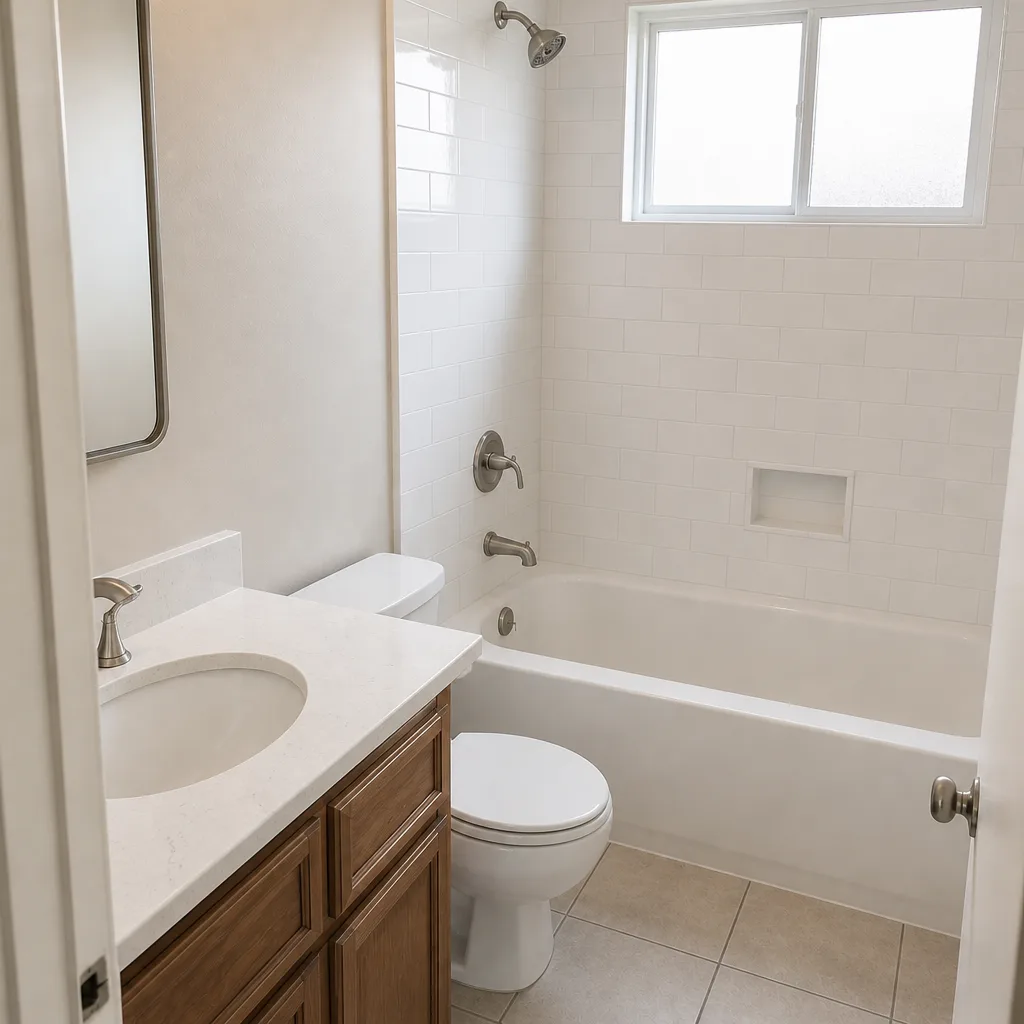
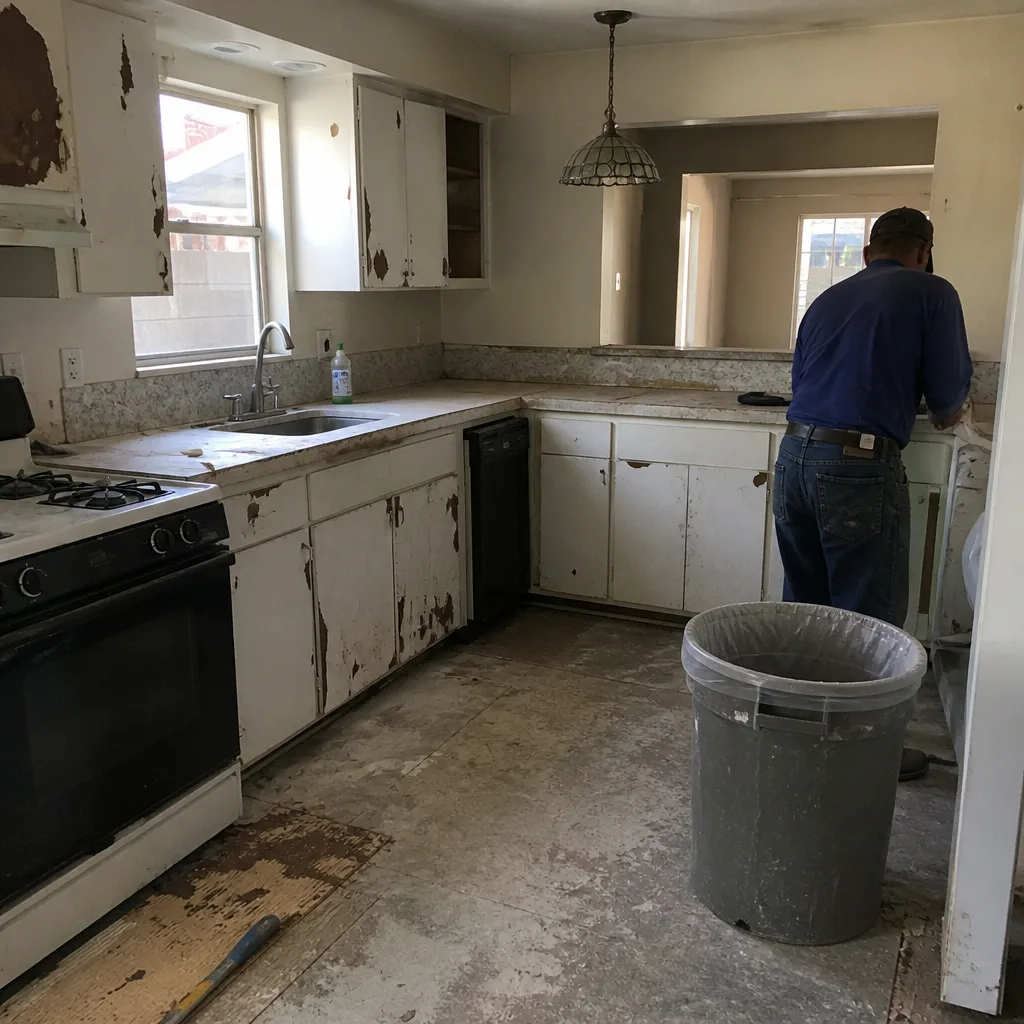
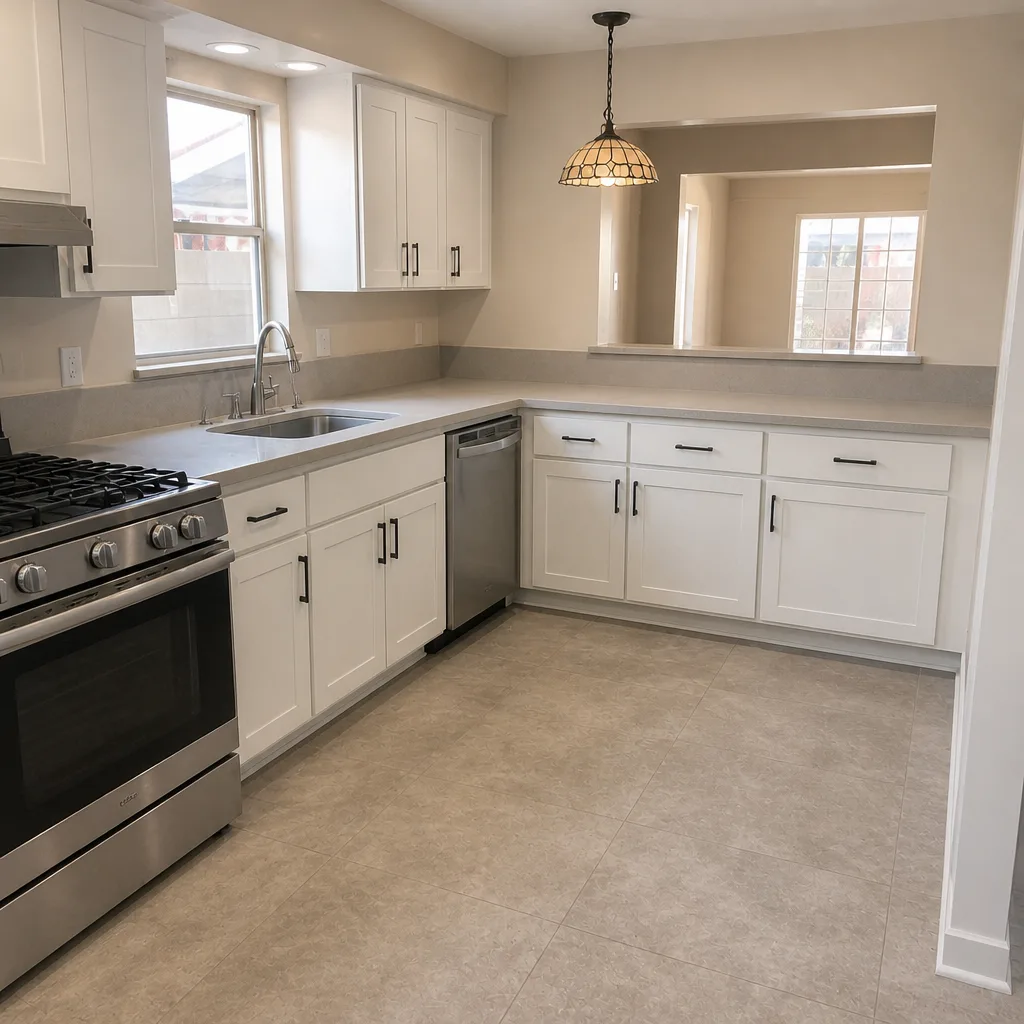
See the difference
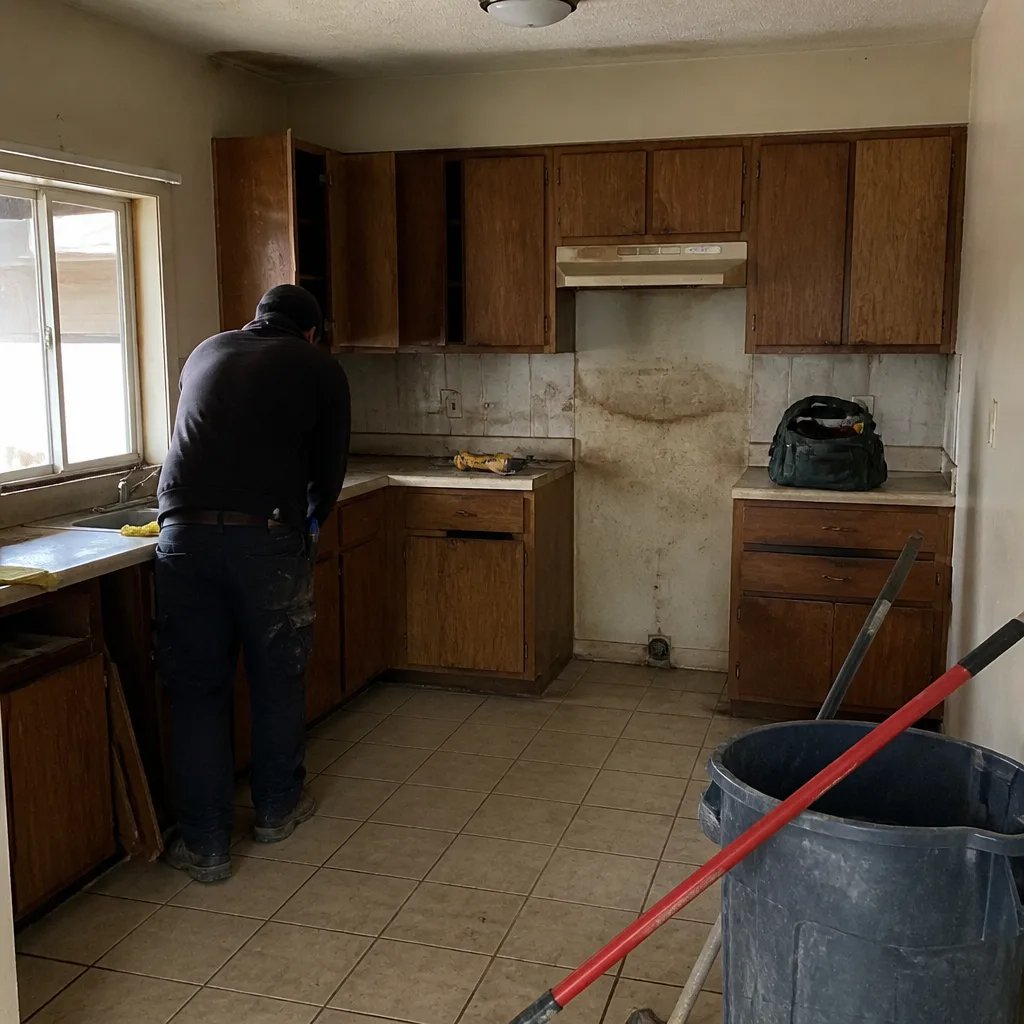 Before
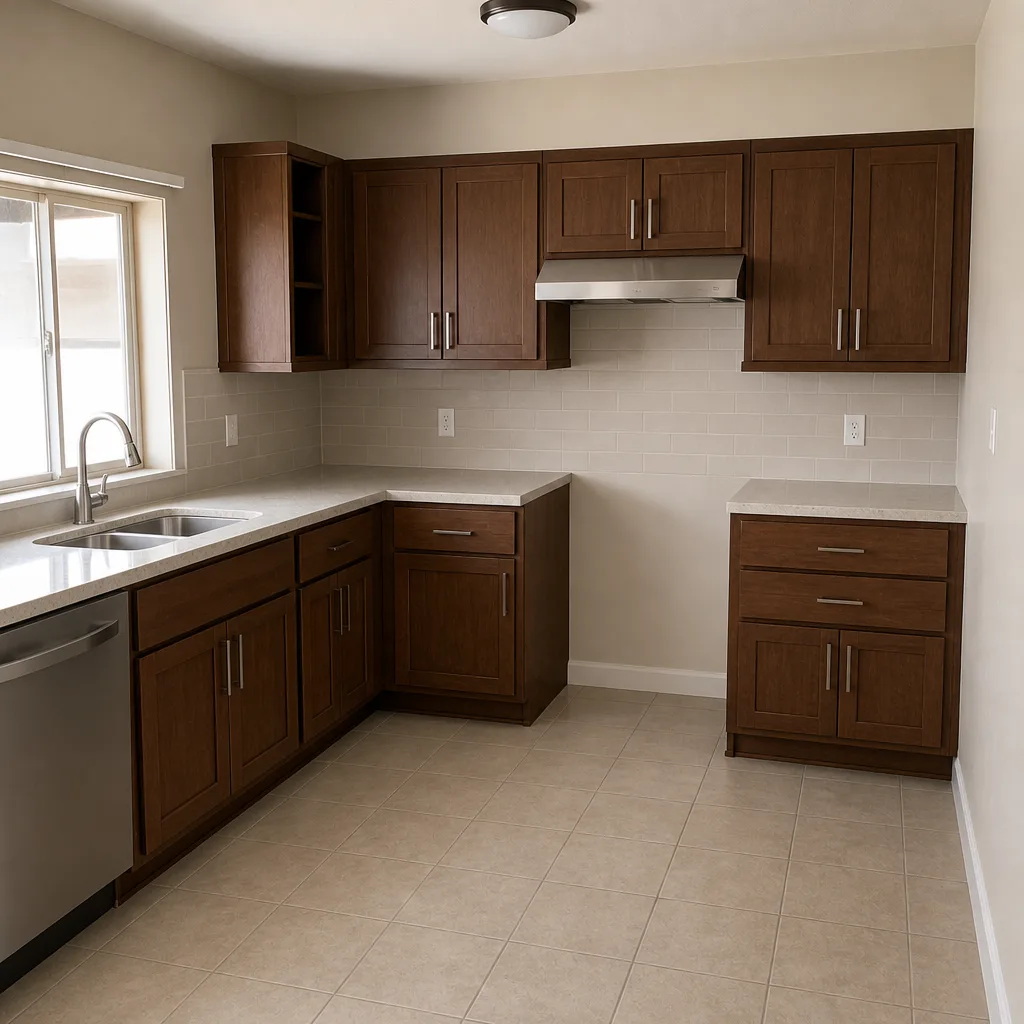 After
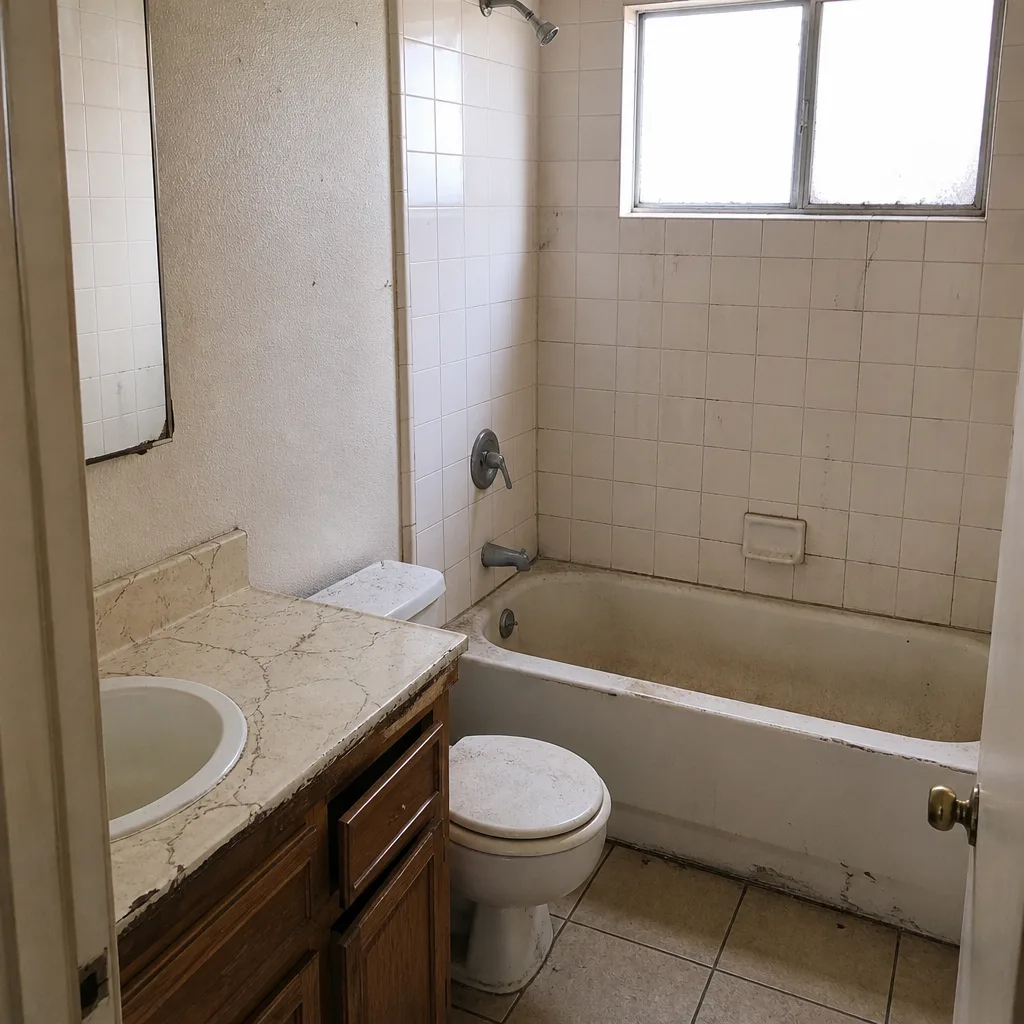 Before
 After
 Before
 After
When to Call a Professional
Call a professional general contractor when the work touches a licensed trade, a load-bearing wall, a permit you don’t want to carry yourself, or a resale-critical space like a bathroom or kitchen. Call one when you’re planning a full remodel, when you’re moving plumbing or electrical, or when you’re not sure whether the work is permitted. Call one when you want a written price and a written guarantee, because that’s the object worth paying for, not labor alone.
Penhallow Remodeling Sunrise Manor offers free estimates in Sunrise Manor. Call (844) 972-4834 to schedule yours. We’ll walk through the scope, tell you what needs a permit and what doesn’t, and give you a written price before any work starts. Our technicians have up to 22 years of experience, and every project is backed by the 365-Day Done Right Promise. If something fails inside the guarantee period, we come back and fix it at no charge, in writing.
Frequently Asked Questions

Yes, on cosmetic work and non-permitted tasks like painting, demo inside permitted walls, and finish carpentry. For work that requires a permit or a licensed trade, like electrical, plumbing, gas, or structural changes, you either need to use a licensed professional or, in some cases, pull an owner-builder permit and self-perform. The owner-builder permit only covers your primary residence and only covers permitted work, not licensed-trade work. If you’re not sure which category your project falls into, call the county building department or call us at (844) 972-4834 for a free estimate; we’ll tell you honestly what’s safe to do yourself and what needs a licensed professional.
You can self-perform permitted work on your primary residence, including interior framing that isn’t load-bearing, finishes, and some electrical work on an already-inspected rough-in, provided the work passes inspection. You cannot self-perform licensed-trade work like full electrical panel changes, plumbing rough-in, gas line work, or HVAC, and you cannot pull an owner-builder permit for a rental property. The line isn’t about skill; it’s about scope. If the task touches a licensed trade, that trade’s license applies no matter how confident you are. Call (844) 972-4834 if you want a second read on your scope before you file.
It can, and the risk is highest when the work is unpermitted or when it touches a bathroom or kitchen. Appraisers discount unpermitted additions, and a buyer’s inspector flags unpermitted bathroom and kitchen work because there’s no permit trail to confirm it was done to code. In Sunrise Manor, where bathrooms are already under stress from the climate, a DIY shower pan that fails inspection is often discounted at the full cost of redoing it, not just the cost of labor you saved. Call (844) 972-4834 before you start a resale-critical project; it’s worth a free estimate to know the real math.
Usually not. Homeowner’s policies commonly exclude claims tied to unpermitted work, and carriers deny structural failure, water damage, and fire damage caused by unpermitted self-performed work because the work was never inspected. That doesn’t mean your policy is void; it means the specific claim from that failure isn’t covered. Ask your carrier in writing before you start. If you want the guarantee to extend past the day the crew leaves, hire a licensed professional who carries the liability and pulls the permit. Call (844) 972-4834 for a free estimate that includes a written guarantee.
You need a permit if the work touches plumbing, electrical, or structural elements, which most full bathroom remodels do. What usually doesn’t need a permit is regrouting, painting, replacing a vanity top that doesn’t move plumbing, or swapping a light fixture on an existing circuit. Shower pan installation, tub replacement, moving a drain, and wet-area waterproofing all require a permit and a licensed professional. Skipping the permit on a bathroom means the insurance claim won’t be covered if the shower fails. Call (844) 972-4834 for a free estimate; we’ll confirm what needs a permit before any work starts.
The simplest test is whether the task moves a wire, a pipe, or a load-bearing component. If it does, a licensed trade is required, and no amount of skill or experience changes that. If it’s paint, demo, finish carpentry, or a surface-level upgrade, you’re almost certainly safe to self-perform. When you’re unsure, ask. Call the Clark County building department or call us at (844) 972-4834 for a free estimate. We’ll give you a straight answer about whether you need a permit, a licensed trade, or nothing at all, before you spend a dollar.
The Bottom Line
The DIY-or-hire decision isn’t really about skill. It’s about permit requirements, insurance coverage, and what a buyer’s inspector will find five years from now. Paint, demo, finish carpentry, and cosmetic upgrades are safe to do yourself, and the savings are real. Electrical, plumbing, gas, structural changes, shower pans, and anything that requires a permit should go to a licensed professional, because the risk of unpermitted self-performed work is that it becomes someone else’s problem at resale or at claim time. Penhallow Remodeling Sunrise Manor offers free estimates, written prices before work starts, and the 365-Day Done Right Promise on every project. Call (844) 972-4834 to schedule yours.
Written by the team at Penhallow Remodeling Sunrise Manor.