
Last updated November 17, 2026








Free written scope consultation - allowances, timeline, and change-order rules on paper before a single trade is scheduled
Home Remodeling Troubleshooting: Common Problems and How to Fix Them
Most remodeling disputes don’t start with a bad contractor. They start with a homeowner who can’t prove what was agreed to. In our experience across Sunrise Manor, the jobs that end in a handshake and a fix are almost never the ones where nothing went wrong – they’re the ones where the homeowner sent a short email after each walkthrough saying “confirming what we discussed today.” That single habit changes the entire outcome. This guide walks you through how to troubleshoot the four kinds of remodeling problems, what to document and when, and how to escalate from a written warranty request to the Nevada State Contractors Board to small claims court if you have to.
Quick Answer
Home remodeling problems fall into four categories – cosmetic defects, functional failures, code compliance issues, and contractor communication breakdowns – and each one has a different resolution path. The homeowners who resolve problems fastest are the ones who documented everything in writing as it happened: dated photos, confirmed change orders, and inspection records. If your contractor gave you a written guarantee, your first step is always a written warranty claim, not a phone call.
Styles & brands we work with
- Kitchen remodeling
- Bathroom remodeling
- Home additions & ADU
- Roofing
- Windows & doors
- Driveway & pavers
- Fence
Table of Contents
- The Four Types of Remodeling Problems (and Why the Distinction Matters)
- What to Document During a Remodel (and When)
- How a 365-Day Written Guarantee Changes the Dispute Process
- Mid-Project Problems You Can Stop and Address
- The Escalation Path: Warranty, Contractors Board, Small Claims
- Sunrise Manor-Specific Problems: Heat, Slab, and Stucco
The Four Types of Remodeling Problems (and Why the Distinction Matters)
Not every problem gets solved the same way. The single biggest mistake homeowners make is treating all complaints as one category and firing off an angry text that buries the real issue. Sort your problem first. The category determines who pays, how fast it gets fixed, and what documentation you’ll need.
Cosmetic defects are things that look wrong but function fine: a tile lippage line, a paint lap mark, a cabinet door that doesn’t sit flush with its neighbor. These are usually resolved fastest because they’re visible, subjective-but-negotiable, and cheap for a contractor to correct. Document them with a level and a close-up photo.
Functional failures are things that don’t work: a faucet that drips after install, a door that won’t latch, a shower that pools water toward the wall instead of the drain. These carry more weight because they point to installation error, not just finish quality. A written guarantee is your strongest lever here.
Code compliance issues are the serious ones. An outlet too close to a wet location, a missing GFCI, a header that wasn’t sized for the span. In Sunrise Manor, where much of the housing stock predates current electrical code, this is more common than homeowners expect once walls open up. Code issues aren’t negotiable – they must be corrected, and the fix usually involves a re-inspection.
Communication breakdowns are the quiet killers. Your contractor stopped responding. A subcontractor showed up doing work you didn’t approve. Materials changed. These don’t damage the structure, but they’re the leading cause of disputes that turn into complaints. If you’re still early in a project and sensing trouble, our General Contractor in Sunrise Manor page lays out what a properly run job should look like from day one.
What to Document During a Remodel (and When)
The best time to build your paper trail is before you need it. This isn’t about being litigious – it’s about having a shared record so nobody has to argue about what was said in a hallway three weeks ago. Here’s what to capture and when to capture it.
- Before work starts: Save the signed contract, the written price (not a verbal estimate), the scope of work, and the schedule with arrival windows. If your contractor gave you a written price up front, you already have the strongest single document in any dispute.
- During demo and framing: Photograph every wall before it’s closed up. Date-stamp the photos. This is the record that protects you if a problem surfaces months later behind cement board or drywall.
- At each change: Any change to scope, material, or price should be confirmed in writing before the work proceeds. A one-line email – “confirming the cabinet swap to a KraftMaid line at the price we discussed” – counts. A verbal yes on the doorstep does not.
- At each inspection: Keep the inspection record and the sign-off. If work fails an inspection, save that paperwork too – it becomes the basis for a warranty claim.
- At each walkthrough: Send a same-day summary email listing what you discussed. It takes four minutes and it has settled more disputes than any contract clause we’ve seen.
File everything in one folder – digital or paper, doesn’t matter. The point is that when you need to escalate, you’re not reconstructing from memory. You’re forwarding a folder.
How a 365-Day Written Guarantee Changes the Dispute Process
A written guarantee does two things a verbal promise never does: it sets a clock, and it sets a standard. When a contractor gives you a 365-Day Done Right Promise in writing, “make it right” stops being a mood and becomes an obligation with a defined window. Here’s what that looks like in practice under The Kingswell Way, which our team operates under.
What a warranty claim should contain. Send it in writing, and include four items: a plain description of the problem, the date you first noticed it, dated photos, and a reference to the original scope of work or change order. That’s it. If the problem is a dripping Kohler faucet that started two weeks after install, the photo shows it, the date anchors it inside the guarantee period, and the scope confirms it was installed as part of the job.
What “make it right” actually means. For a genuine warranty failure, it means the contractor returns and corrects the work at no charge – not a discounted repair, not a “we’ll take a look” service fee. The strongest guarantees also waive the return visit fee if the first fix didn’t hold. Ask for that in writing before you sign. It’s the difference between a guarantee and a courtesy.
How long a contractor has to respond in Nevada. Nevada doesn’t set a single fixed deadline for every warranty response – it depends on the contract terms and the nature of the defect – but the standard most contractors operate under is prompt, documented response, typically within a few business days for a scheduling call and within a tighter window for anything affecting safety or habitability. Put the response window in your contract if it isn’t already there. If you’re remodeling a bathroom and the shower isn’t usable, that’s habitability, and the response clock should reflect it.
If you want to see how a written guarantee is structured on an actual remodeling project, our Bathroom Remodeling in Sunrise Manor page spells it out line by line.
Mid-Project Problems You Can Stop and Address
Most homeowners assume they have to wait until the end of a project to raise concerns. You don’t. There are three mid-project problems where you should stop the work and put your concern in writing immediately – because letting them go unaddressed is how small issues turn into disputes.
Work that fails inspection. If an inspector flags something – a rough-in that doesn’t comply, a venting issue, a grounding problem – work should pause until the correction is made and re-inspected. Don’t let your contractor talk you into “we’ll fix it at the end.” Failing an inspection a second time on the same item is far more expensive than fixing it once.
A subcontractor who doesn’t match the agreed scope. This happens most often when a tile setter or electrician is swapped in without the homeowner being told. If the scope said cement board substrate (the moisture-resistant layer behind your tile) and you see drywall going up, stop the work. Send the written scope back over and ask for confirmation before the next trade starts.
Materials substituted without written approval. A cabinet line quietly swapped to a cheaper door style, a countertop weight downgraded from Cambria to a lesser quartz, siding changed from James Hardie fiber cement to a thinner product. Brand substitution without written approval is a breach of scope, full stop. On our Kitchen Remodeling in Sunrise Manor projects, this is exactly the kind of thing a written change order prevents – and it’s why we put the price and the specification in writing before a single cabinet is pulled.
In each case the move is the same: stop, write it down, ask for written confirmation, and keep the work from advancing past the point where you still have leverage.
The Escalation Path: Warranty, Contractors Board, Small Claims
If a problem isn’t resolving, escalate in order. Jumping straight to a complaint or a lawsuit usually costs you more time and money than a properly documented warranty request would have. Here’s the sequence, with the documentation each step requires.
- Written warranty request. Send your claim in writing to the contractor, including the four items above (description, date, dated photos, scope reference). Keep a copy. Give the response window in your contract room to work. Most genuine problems end here – a contractor operating under a real guarantee wants to close the loop, not let it fester.
- Nevada State Contractors Board complaint. If the warranty request goes unanswered or the fix doesn’t hold, the Nevada State Contractors Board is your next stop. The Board handles complaints against licensed contractors and can investigate, require corrections, and take action against the license. You’ll need your signed contract, your written price, the warranty request you sent, and photos showing the defect. A paper trail is the difference between a complaint that moves and one that gets closed for lack of evidence.
- Small claims court. For monetary disputes under Nevada’s small claims threshold, this is the final step. Bring the same folder: contract, written price, photos, warranty request, and any Board documentation. Small claims judges respond to organized, dated records and lose patience with he-said-she-said. Your documentation is your case.
The order matters. A written warranty request that goes unanswered becomes the strongest exhibit for the next two steps. Skipping it looks like impatience, and it weakens your position.
Sunrise Manor-Specific Problems: Heat, Slab, and Stucco
Sunrise Manor sits in the middle of the valley, and the local climate shapes what goes wrong on a remodel in ways that a coastal homeowner’s guide won’t cover. Three problems come up over and over here.
Heat-driven failures on exterior products. Summer afternoon temperatures push past 110°F in Sunrise Manor, and that does real work on anything exposed to the sun. Paint and caulk on south-facing walls weather faster than the national averages a manufacturer prints on the label. If you’re planning exterior work, budget for a higher-sun-exposure product – a fiber cement siding like James Hardie holds color and resists the heat cycling better than a lower-grade substitute, and it’s a specification worth writing into the scope.
Slab movement and floor failures. Valley soils expand and contract with moisture swings, and tile and flooring failures on slab-on-grade construction in Sunrise Manor are often traced back to substrate issues rather than the tile itself. This is one of the most common warranty claims we see, and it’s why job photos during install matter – they show whether an uncoupling membrane or proper prep was used before the tile went down.
Stucco cracking and moisture intrusion. Older Sunrise Manor homes with traditional three-coat stucco develop hairline cracks that open with thermal cycling. Those cracks are the entry point for water that shows up months later as interior drywall damage. If a remodel opens up an exterior wall, photograph the stucco condition before it’s closed back up. That record protects both you and the contractor.
If you’re starting a project, our Penhallow Remodeling Sunrise Manor home page gives you the lay of the land on how we run a job from first walkthrough to final inspection.
Common Mistakes to Avoid
- Accepting a verbal estimate instead of a written price. The number that changes at the door is always the one that was never written down. Get the full written number before work starts.
- Keeping notes only in your head. A conversation you remember perfectly today will be fuzzy in three months. Send the confirmation email the same day, every time.
- Letting a failing inspection slide to the end of the project. Corrections get more expensive after a second failure. Pause the work and get it re-inspected.
- Approving a material substitution verbally. A cheap swap on a countertop or cabinet line is the most common way a written scope gets quietly eroded. Require it in writing, even when it seems minor.
- Skipping photos before walls close up. Demo-and-framing photos are the single best record you can hold if a defect surfaces later behind the finished surface.
- Escalating before a written warranty request. Going straight to a complaint or a lawyer looks impatient and weakens your position. Send the warranty claim first, keep a copy, and give the response window room to work.
- Assuming a guarantee is a courtesy, not a contract term. A written guarantee with a defined duration and a no-charge return policy is an obligation. Read it before you sign, and know exactly what triggers it.
See the difference
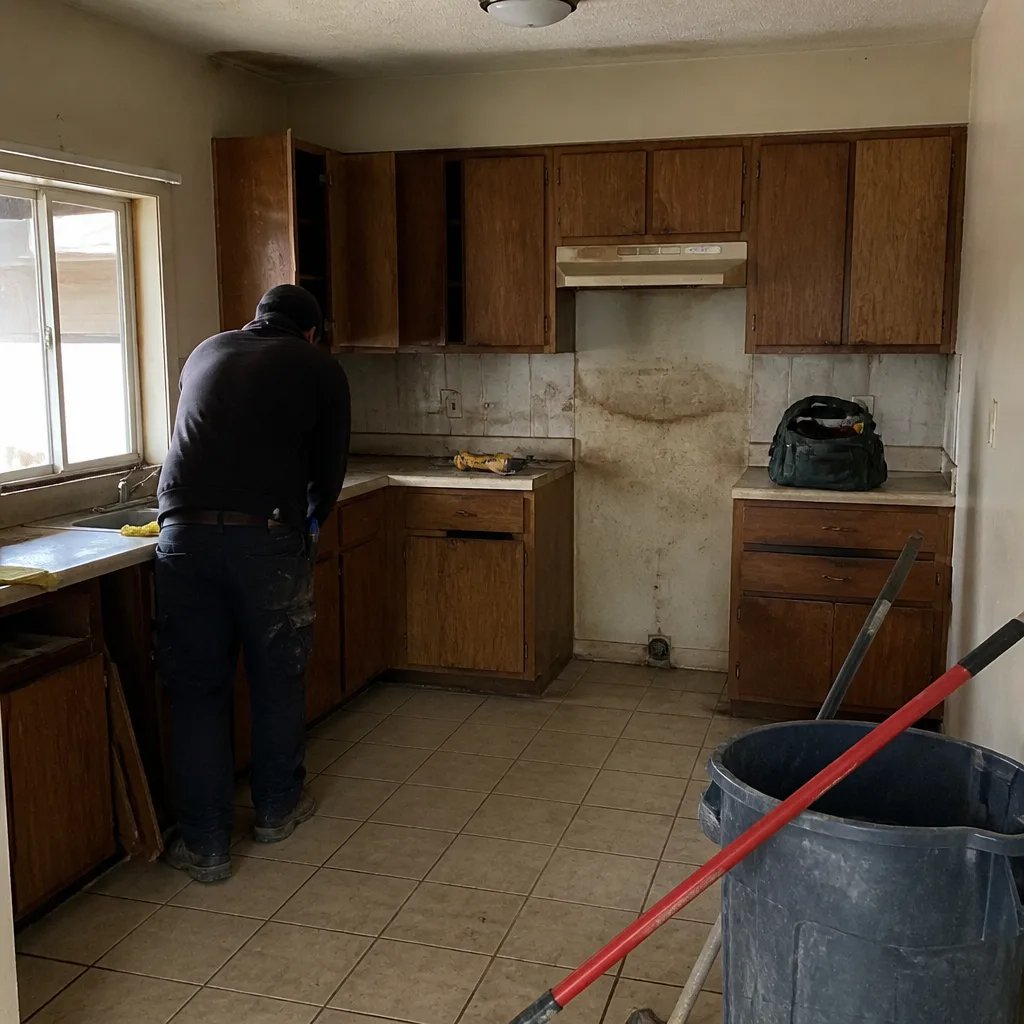 Before
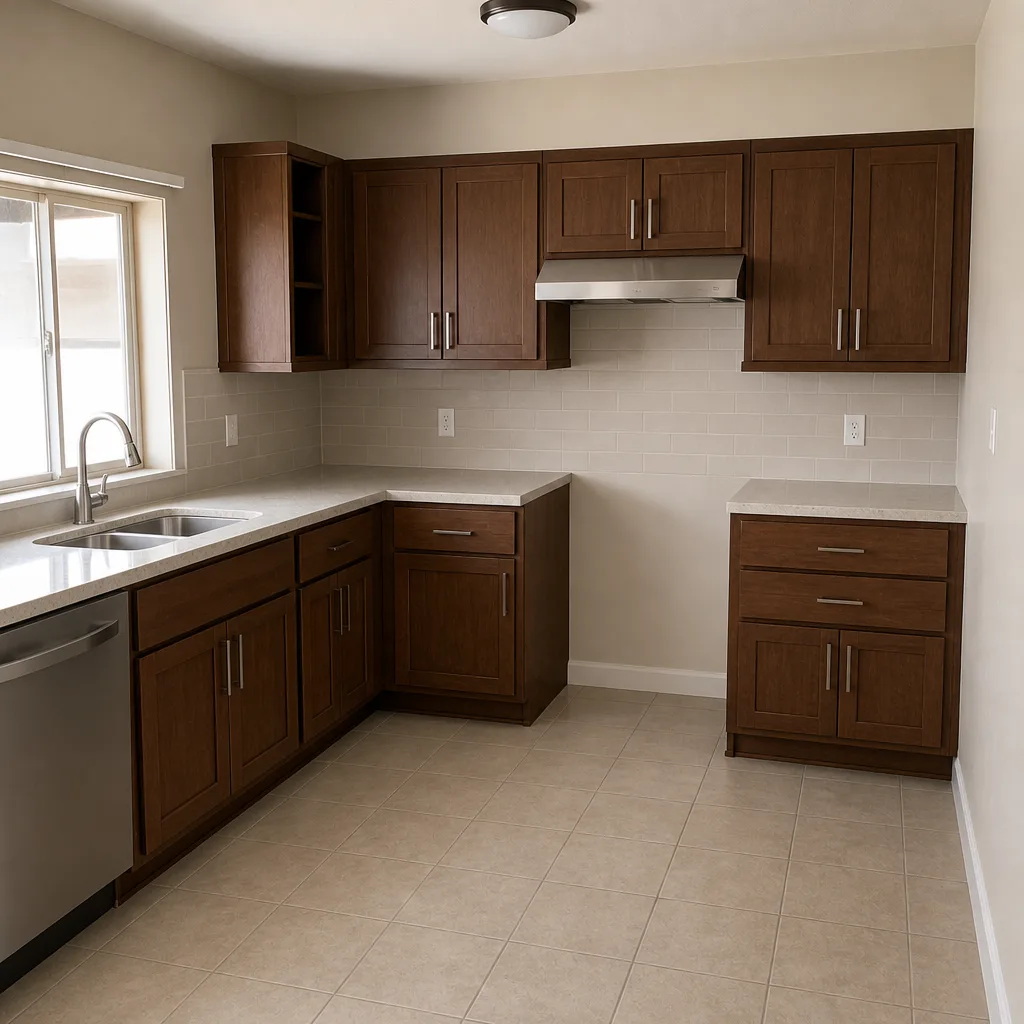 After
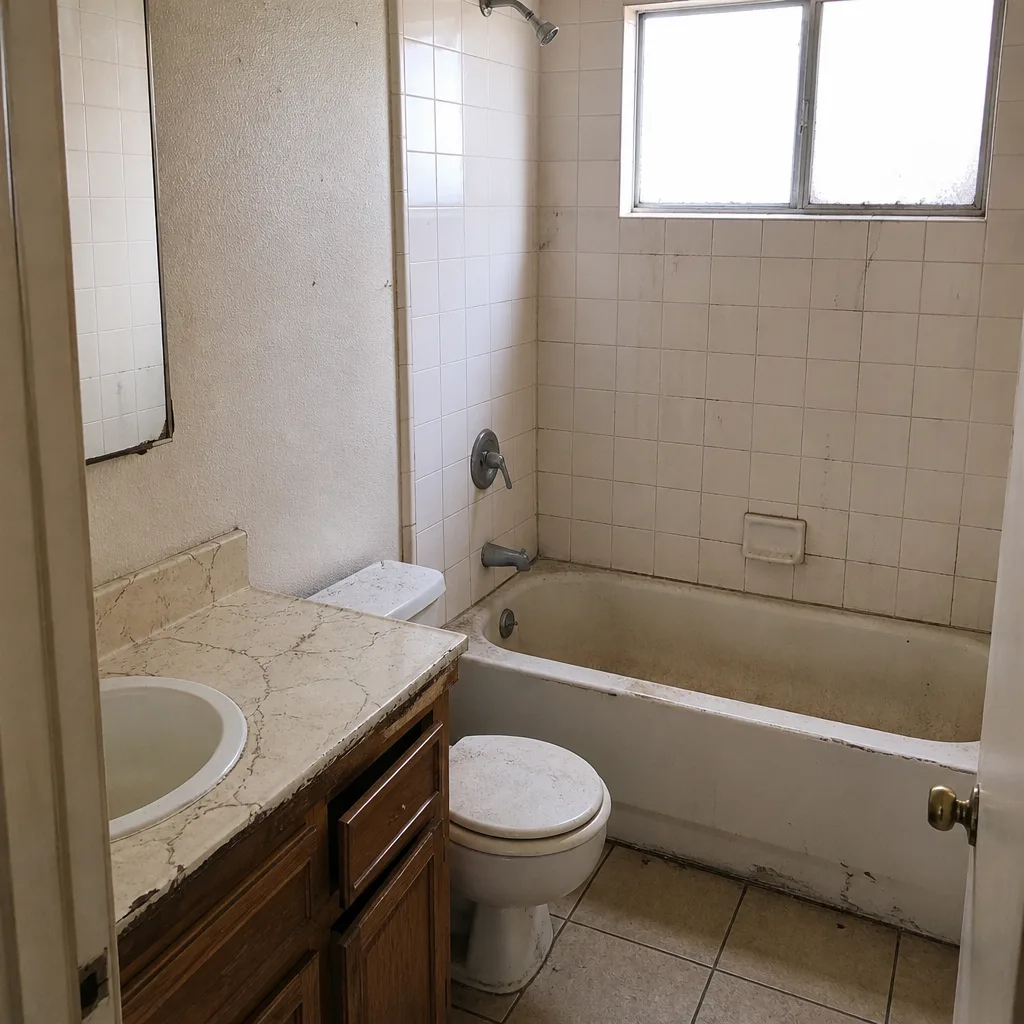 Before
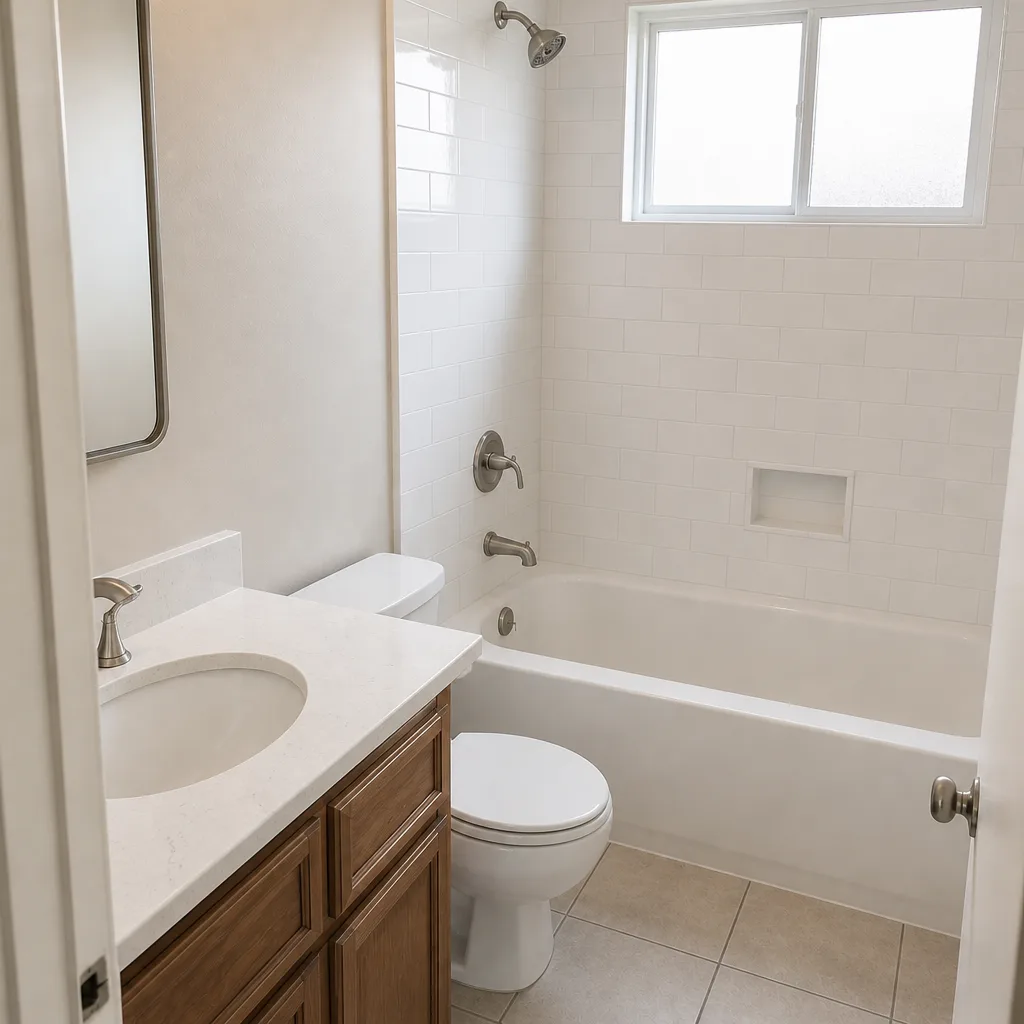 After
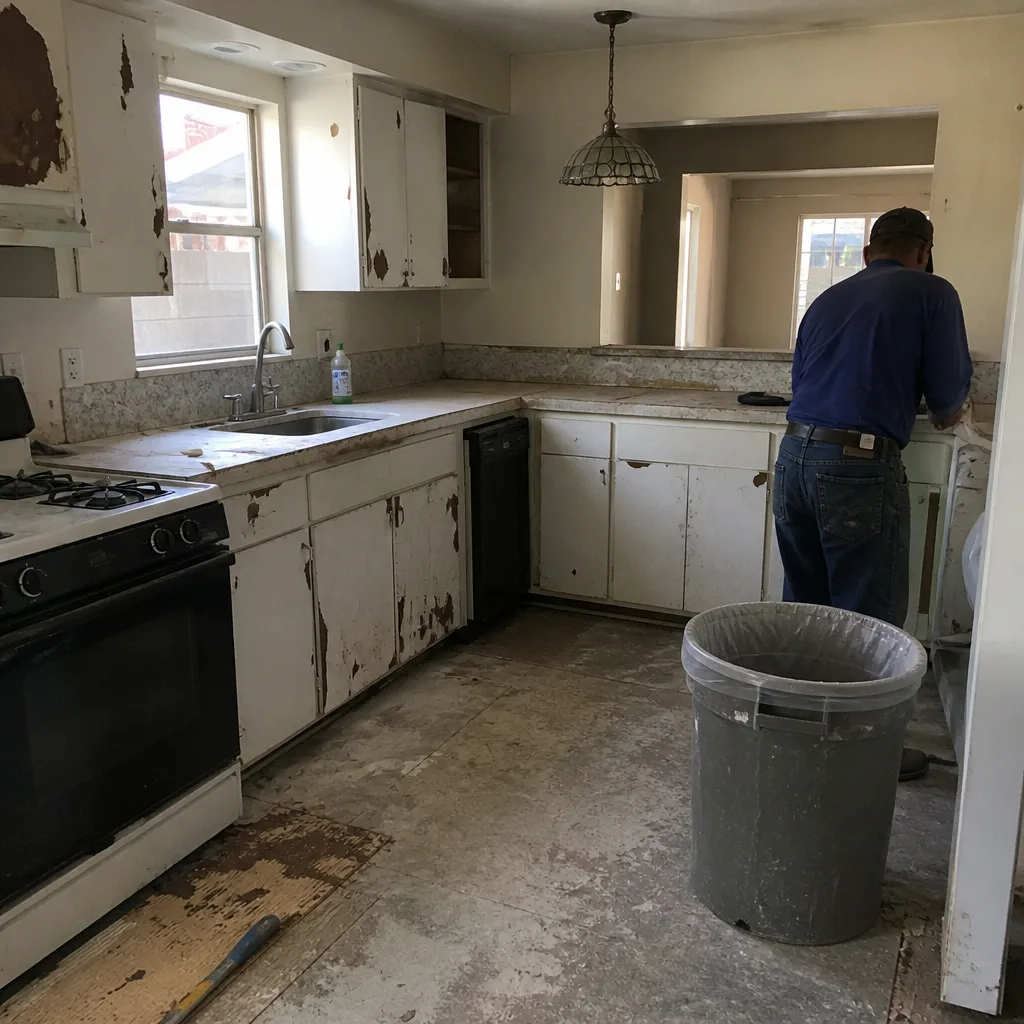 Before
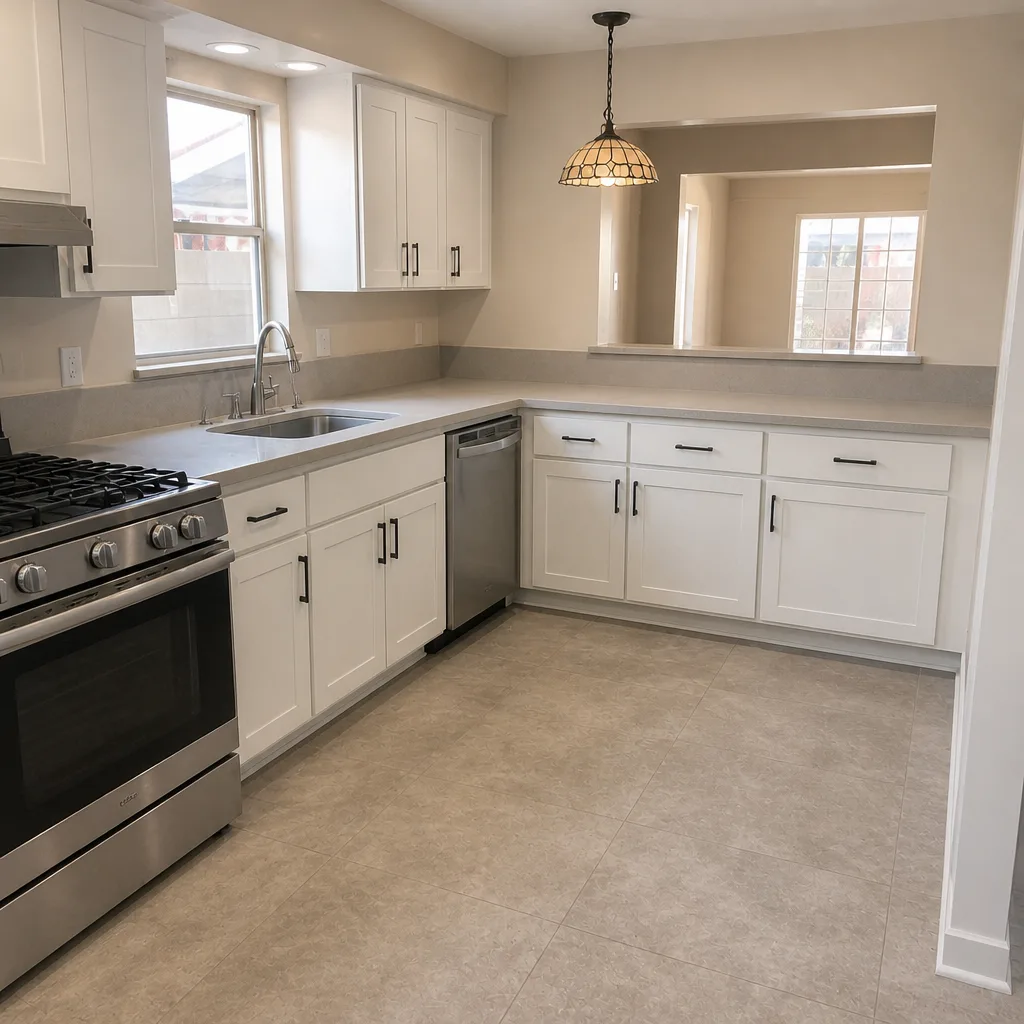 After
When to Call a Professional
Some remodeling problems are manageable on your own – a squeaky cabinet door, a paint touch-up, a loose handle. Others aren’t, and it’s worth knowing where the line sits. Call a professional when the problem involves anything structural, electrical, plumbing behind a wall, or a code compliance issue that needs re-inspection. Call when a warranty failure hasn’t been resolved inside your contract’s response window. Call when a subcontractor’s scope doesn’t match the written agreement and you need an expert read on whether the work is safe. And call if you’re mid-remodel with an unresolved problem and no clear path forward – a written estimate for the corrective work is the fastest way to know what you’re dealing with.
Penhallow Remodeling Sunrise Manor offers free estimates in Sunrise Manor – call (844) 972-4834 to schedule yours. Our technicians have up to 22 years of experience, and every project comes with a written price before work starts and a written 365-Day Done Right Promise behind the finished work. Background-checked, uniformed technicians on every job, and a live person answers the phone 24/7.
Frequently Asked Questions

Nevada doesn’t set one fixed deadline for every warranty response – it depends on your contract terms and the nature of the defect – but a properly written guarantee typically commits to a scheduling response within a few business days, with a tighter window for anything affecting habitability like a shower that won’t drain or a bathroom without working water. Put the response window in your contract if it isn’t there, and send your claim in writing with dated photos so the clock is documented. Call (844) 972-4834 for a free estimate if you need the work corrected.
Yes, and you should, when the issue involves a failing inspection, an unapproved material substitution, or a subcontractor working outside the agreed scope. Send your concern in writing immediately and ask for written confirmation before the next trade starts. Stopping early costs far less than correcting finished work later. Call (844) 972-4834 for a free estimate on corrective work.
Keep your signed contract, the written price and scope, dated demo and framing photos, every written change order confirmation, and each inspection record. Send a same-day summary email after every walkthrough. These five items are what the Nevada State Contractors Board and small claims court will ask for first. Call (844) 972-4834 for a free estimate.
It means the contractor returns and corrects a genuine warranty failure at no charge, not at a discounted rate and not with a service fee attached. The strongest guarantees also waive the return visit fee if the first fix didn’t hold, which is why we put the no-charge return in writing on every project. Call (844) 972-4834 for a free estimate.
Yes. The Board handles complaints against licensed contractors and can investigate, require corrections, and take action against a license. You’ll need your signed contract, written price, warranty request, and dated photos showing the defect. A documented paper trail is what moves a complaint from a file to a resolution. Call (844) 972-4834 for a free estimate.
Heat-driven exterior failures and slab-movement floor issues top the list – both are shaped by the valley climate. South-facing stucco and caulk weather faster than manufacturer averages suggest, and tile failures on slab-on-grade construction are usually traced to substrate prep rather than the tile. Writing the right material into the scope and photographing the install are the two best defenses. Call (844) 972-4834 for a free estimate.
The Bottom Line
Most remodeling problems get fixed cheaply and fast, or they turn into disputes, based on one thing: what you wrote down and when. Sort your problem into the right category – cosmetic, functional, code, or communication – document it as it happens, and escalate in order: written warranty request first, Nevada State Contractors Board second, small claims only if you must. A written price before work starts and a written guarantee behind the finished work are the two documents that do the most work for you. Build the folder. Send the email. Then you don’t have to argue about what was said.
Call Penhallow Remodeling Sunrise Manor at (844) 972-4834 for a free estimate. Every project gets a written price up front, a real arrival window, and a 365-Day Done Right Promise – so if something isn’t right, we come back and make it right, in writing.
Written by the team at Penhallow Remodeling Sunrise Manor.