Last updated November 17, 2026






Free written scope consultation - allowances, timeline, and change-order rules on paper before a single trade is scheduled
How to Hire a Construction Contractor in Sunrise Manor: A Step-by-Step Guide
The most common complaint filed with the Nevada State Contractors Board isn’t shoddy work. It’s a final bill that bears no resemblance to the number the homeowner agreed to, because that number was never written down. In Sunrise Manor, where a lot of remodeling gets done on a handshake and a verbal ballpark, that gap between what you heard and what shows up on the invoice is where most of the pain lives. Verbal estimates in this market have a documented habit of growing 20 – 40% once demolition begins. This guide walks you through the exact questions to ask, the five documents to demand, and how to read a bid so the price you agree to is the price you pay.
Quick Answer
To hire a construction contractor in Sunrise Manor, verify their Nevada State Contractors Board license and class, get a written scope, written price, payment schedule, timeline, and guarantee terms before any work starts, and never pay a large cash deposit up front. Compare at least three bids on identical written scopes, and walk away from anyone who prices the job as “we’ll know more once we open the wall.”
Styles & brands we work with
- Kitchen remodeling
- Bathroom remodeling
- Home additions & ADU
- Roofing
- Windows & doors
- Driveway & pavers
- Fence
Table of Contents
- Why licensing in Nevada is not optional
- What the license classes actually let a contractor do
- The five written documents you need in hand
- Red flags specific to the Las Vegas metro market
- How to compare bids apples-to-apples
- What a real workmanship guarantee should say
- Sunrise Manor code and climate realities
- Common mistakes to avoid
Why Licensing in Nevada Is Not Optional
Nevada is one of the stricter states on contractor licensing, and that works in your favor if you know how to use it. The Nevada State Contractors Board (NSCB) licenses and regulates anyone who contracts to build, remodel, or repair a structure for compensation. A contractor working without a license in Sunrise Manor isn’t just cutting a corner; they’re breaking state law, and any contract you sign with them can be voided in your favor, which sounds great until you realize you have no recourse for defective work.
Here’s the practical part most guides skip. Go to the NSCB website and use the license lookup. You’re checking four things:
- The license is active, not expired or suspended. A lapsed license is a red flag.
- The license class matches the work. More on this below.
- The business name on the license matches the name on your contract. If it doesn’t, ask why in writing.
- The monetary limit on the license. Nevada assigns a limit to how large a single project a licensee can contract. If your $60,000 kitchen remodel exceeds their limit, that’s a problem.
You can also pull complaint history through the NSCB. A contractor with a handful of resolved complaints isn’t necessarily a dealbreaker; a pattern of unresolved ones is. When you’re comparing candidates, ask each one for their license number up front and tell them you’ll be verifying it. The ones who are proud of their record will hand it over without blinking. The ones who get defensive just told you something useful.
What the License Classes Actually Let a Contractor Do
Nevada license classes confuse a lot of homeowners, and that confusion gets exploited. A general contractor’s license isn’t a universal permission slip. Here’s how it breaks down for the kind of work you’re likely hiring for in Sunrise Manor.
- Class B (General Building Contractor): The broad license. A B-2 (Residential) covers construction, remodeling, and repair of single-family homes and small residential structures. This is the class most homeowners want for a whole-home remodel or a major addition.
- Class C (Specialty Contractor): The C classes are trade-specific. C-3 is carpentry, C-5 is drywall, C-14 is plumbing, C-2 is electrical. A specialty contractor can do their trade but generally can’t take on a whole remodeling project that requires multiple trades unless they subcontract and hold the right class for the overall scope.
- Class A: General Engineering. You’re unlikely to need this for residential work.
Why this matters: if you hire a C-3 carpentry licensee to run a kitchen remodel that involves moving plumbing and electrical, you may be outside the scope they’re licensed for, and your recourse if something goes wrong gets messy. For a project that touches structure, plumbing, or electrical, look for a Class B-2 residential contractor who will pull the permits and coordinate the trades. That’s the clearance level you want on a project that’s going to involve more than one system in your house.
If you’re comparing contractors for a bigger job, our guide to general contractor services in Sunrise Manor lays out what a properly licensed residential GC coordinates on a typical remodel.
The Five Written Documents You Need Before Work Starts
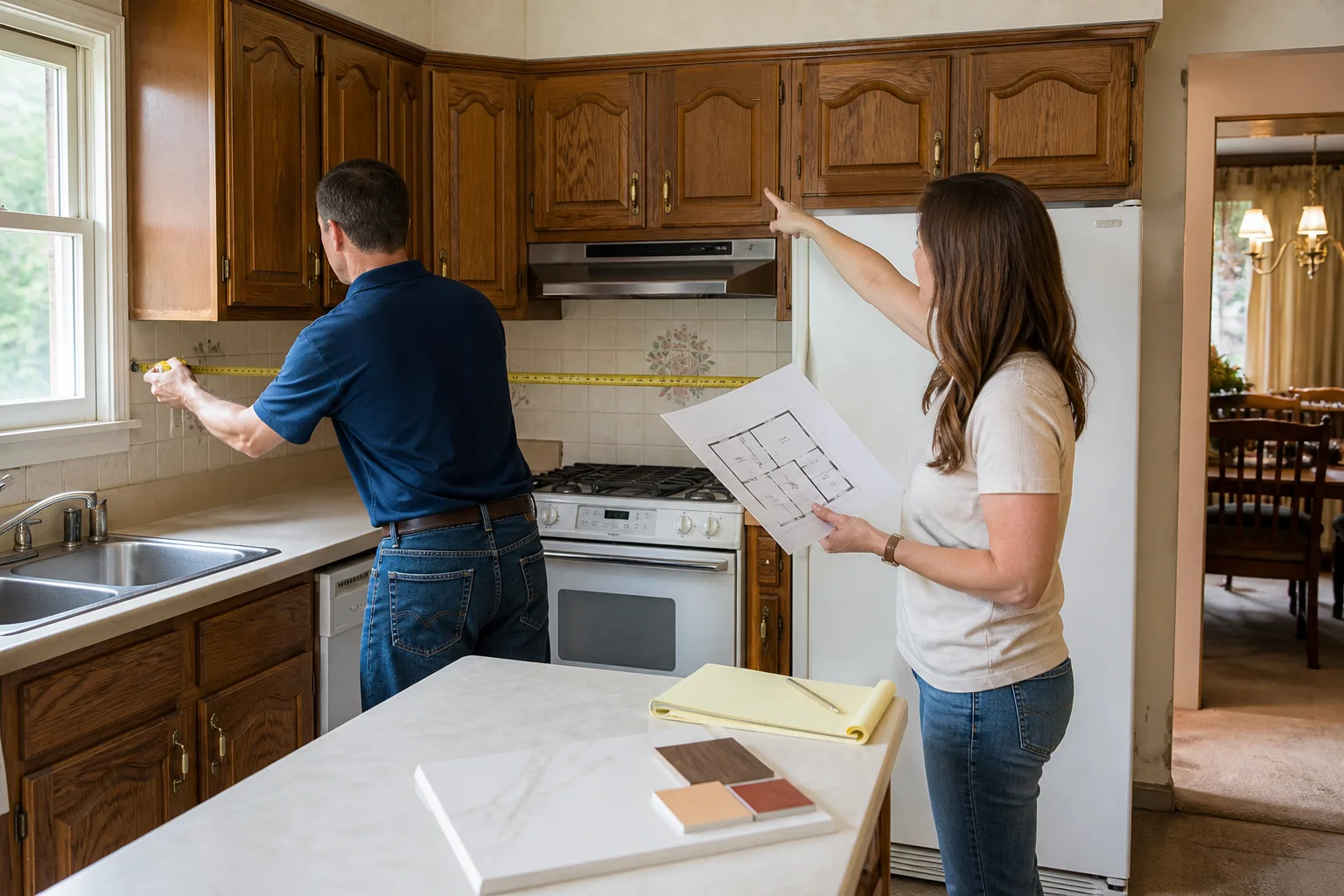
This is the core of the whole guide. If you take nothing else away, take this: you should have five documents in hand, in writing, before anyone picks up a tool. Not a text. Not a verbal promise. A document you can hold the contractor to.
- The scope of work. What’s being done, room by room, with materials and quantities named. “Install new cabinets” is not a scope. “Install KraftMaid Hensley maple cabinets in the kitchen, 14 linear feet upper and lower, with soft-close hinges” is a scope.
- The written price. A number, not a range, not a ballpark. If the job genuinely has unknowns, the contract should state exactly how those unknowns get priced and who approves the change before work continues.
- The payment schedule. Tied to milestones, not to a big deposit up front. A common, fair structure: a modest deposit to order materials, then payments as defined stages complete, with a final payment held back until the job passes your walkthrough.
- The timeline. Start date, expected duration, and the stated arrival window for each phase. Vague timelines are how a six-week job becomes a six-month one.
- The guarantee terms. What’s covered, for how long, what’s excluded, and what happens if you call about a problem. Written, not verbal.
If a contractor hands you a one-page estimate with a price and a signature line and calls it a contract, that’s a bid, not a contract. A real remodeling agreement includes all five of these. When we put a project together, the number you see on day one is the number that shows up on the invoice, and the guarantee is written into the agreement, not stapled to it as an afterthought.
Red Flags Specific to the Las Vegas Metro Market
The Las Vegas metro has a construction market with its own rhythms, and some of the shadier practices here don’t show up the same way in other cities. Watch for these in Sunrise Manor.
Vague line items. A bid that says “materials and labor: $34,000” tells you nothing. You can’t compare it to another bid, you can’t verify the materials, and you have no basis to challenge a change order. Demand itemized lines: demolition, framing, rough plumbing, rough electrical, drywall, cabinets, countertops, tile, fixtures, paint, cleanup.
Cash-only deposits. A contractor asking for a large cash deposit with no receipt trail is a problem. It’s hard to trace, hard to recover, and there’s no record for the NSCB if things go sideways. A legitimate contractor accepts a traceable payment and provides a receipt.
“We’ll know more once we open the wall” pricing. There’s a grain of truth here: in older Sunrise Manor homes, especially the mid-century builds on the east side, opening a wall really does reveal surprises. But a fair contractor prices the known work as a firm number and defines how unknown conditions get priced and approved. The unfair contractor uses “we’ll see” as a blank check.
Pressure to skip the permit. If a contractor suggests you don’t need a permit to save time or money, that’s a durable problem: unpermitted work can complicate a future sale, and it can fail inspection years later when it’s your problem, not theirs.
How to Compare Bids Apples-to-Apples
Comparing three bids is useless if each one covers a different scope. The fix is to force them onto common ground with specific questions. Send the same written questions to every contractor you’re considering, and compare the answers side by side.
- “List every line item included and every line item excluded.” Exclusions are where bids quietly differ. One contractor includes haul-away; another doesn’t, and you learn that when the dumpster sits in your driveway for a week.
- “Name the specific brands and product lines for cabinets, countertops, and fixtures.” A bid that says “quartz countertops” and a bid that says “Cambria quartz” are not the same bid. Cambria carries its own lifetime warranty on top of the workmanship guarantee, and that’s worth knowing when you compare numbers.
- “Who pulls the permits, and are permit fees in the price?” Get this in writing. Permit costs vary by scope, and you don’t want a surprise line item mid-project.
- “What’s the change-order process, and who approves the price before work continues?” The answer should be: you do, in writing, before anyone touches a tool.
- “What’s your start date and how do you handle delays?” The best answer names a real arrival window and explains what happens if a material ships late.
When bids differ by 40% or more, the scope is the reason 90% of the time. The specific questions above surface exactly where the difference lives, so you can compare the parts that matter and not just the bottom line.
What a Real Workmanship Guarantee Should Say
Most contractor guarantees are boilerplate that protects the contractor, not you. Read the guarantee language and ask what it actually commits to. A real workmanship guarantee names four things:
- What’s covered. Workmanship, materials, or both. The best guarantees cover the labor of installation itself, because that’s what fails first: a cabinet that pulls loose from the wall, a tile line that cracks along a poorly prepped substrate, a shower that leaks at the pan because the waterproofing was done wrong.
- How long it lasts. A vague “one year” buried in fine print is worth less than a plainly stated guarantee period. The 365-Day Done Right Promise means exactly that: if the work fails inside the year, we come back and fix it at no charge.
- What’s excluded. Normal wear, damage you caused, and product failures covered by the manufacturer’s own warranty. A fair guarantee is honest about what it doesn’t cover.
- What happens when you call. This is the piece most guarantees dodge. It should say you get a real return visit, not a phone runaround. Our commitment is a free second visit if a repair fails, with no service call fee and no re-inspection charge.
Boilerplate language like “contractor warrants workmanship to be free from defects for a period of one year” and nothing else is a guarantee in name only. Ask the contractor to walk you through the guarantee line by line before you sign. If they can’t, you’ve learned something.
Sunrise Manor Code and Climate Realities
Sunrise Manor has its own conditions that shape remodeling work, and a good contractor plans around them. The desert climate is the biggest factor. The heat and dry air push materials hard: wood expands and contracts more than in humid climates, exterior paint and caulk break down faster, and anything that lives outside gets cooked. That’s why we specify cement board substrate (the moisture-resistant layer behind your tile) in showers and name exterior products that hold up to the sun, like James Hardie siding, rather than a generic “fiber cement” line.
Code-wise, Clark County handles permitting and inspections for residential work in Sunrise Manor. Any structural, plumbing, electrical, or gas work requires a permit pulled by a licensed contractor, and the inspections get scheduled through the county. A contractor who tells you they’ll “handle it” without naming the permit process is a contractor you should press. Ask them directly: “Who is pulling the permit, what’s the inspection sequence, and will you show me the signed-off inspection card when the job closes?”
Some of the older mid-century homes on the east side of Sunrise Manor have original plumbing and electrical that may not be up to current code, and that’s exactly the kind of thing a pre-job walkthrough should identify before a price is set, not after the wall comes down. If your project includes a bathroom, our guide to bathroom remodeling in Sunrise Manor covers what substrate and moisture detailing to look for.
Common Mistakes to Avoid
- Choosing on price alone. The lowest bid usually wins by leaving things out. The cheapest bid and the most honest bid are rarely the same number, and the cheapest bid is rarely the cheapest job.
- Skipping the license lookup. Two minutes on the NSCB site tells you whether the person about to work on your home is licensed, active, and within their monetary limit. Not checking is a gamble with your own money.
- Accepting a verbal estimate. A number you heard is not a number you can hold anyone to. This is the single biggest cause of bill shock in the Las Vegas metro, and it’s entirely preventable.
- Paying too much up front. A large cash deposit with no written schedule and no milestone tie is how homeowners lose money. Structure payments to work completed, and hold back a final payment until the walkthrough passes.
- Ignoring the permit question. Unpermitted work on a Sunrise Manor home can surface at resale, at a future inspection, or at the worst possible moment. Ask who pulls the permit and get a signed-off inspection card at close.
- Not asking about the guarantee in writing. A verbal “we’ll take care of you” is not a guarantee. Ask what’s covered, for how long, and what happens if you call about a problem.
- Comparing bids on totals only. A $40,000 bid and a $28,000 bid are usually two different jobs. Force the scopes onto common ground before you compare the numbers.
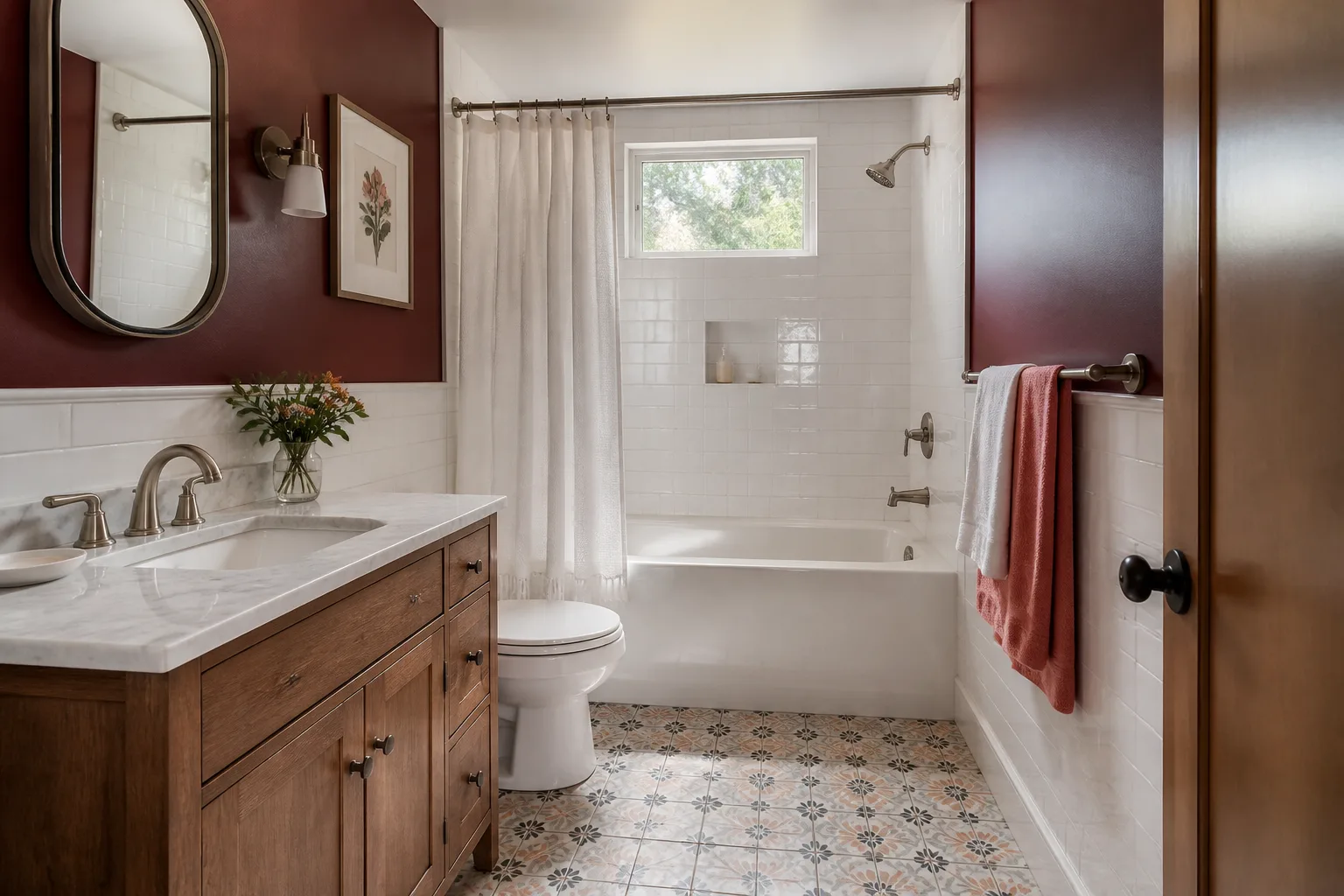
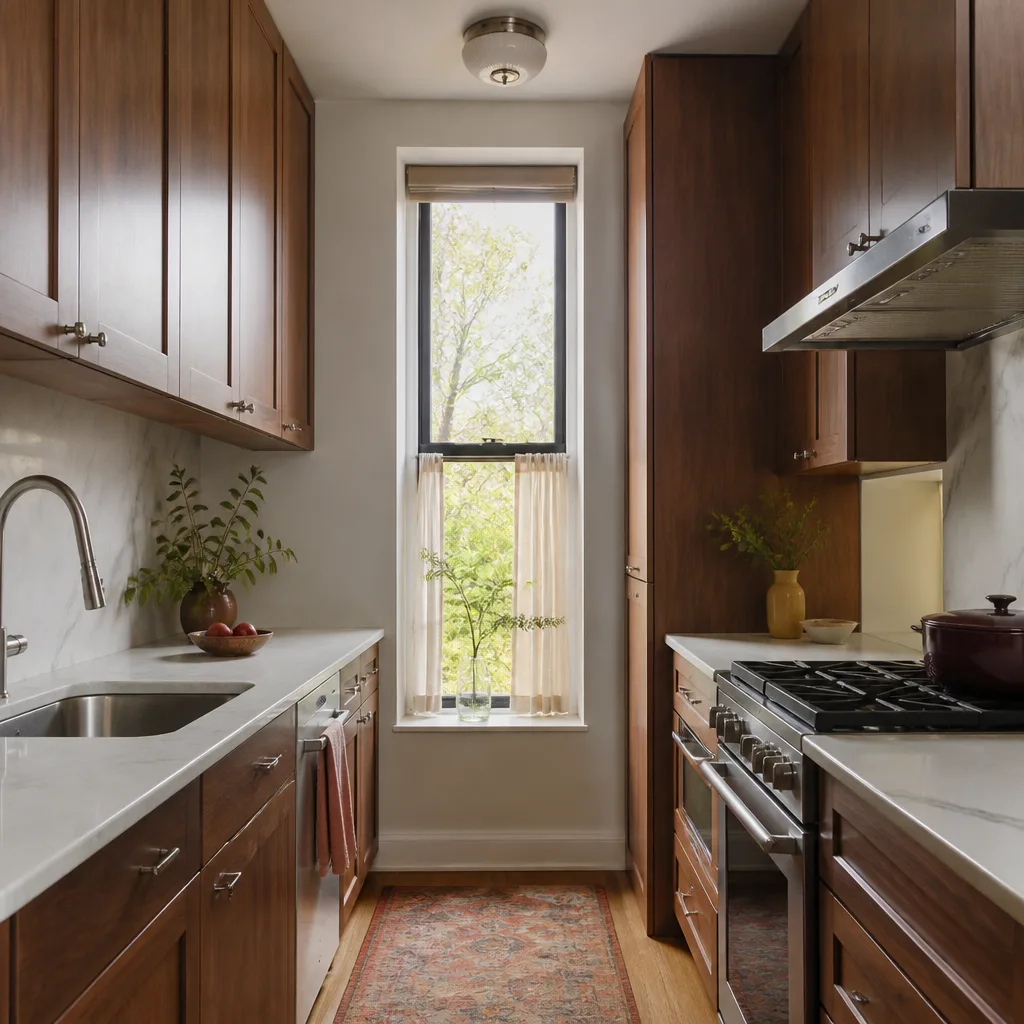
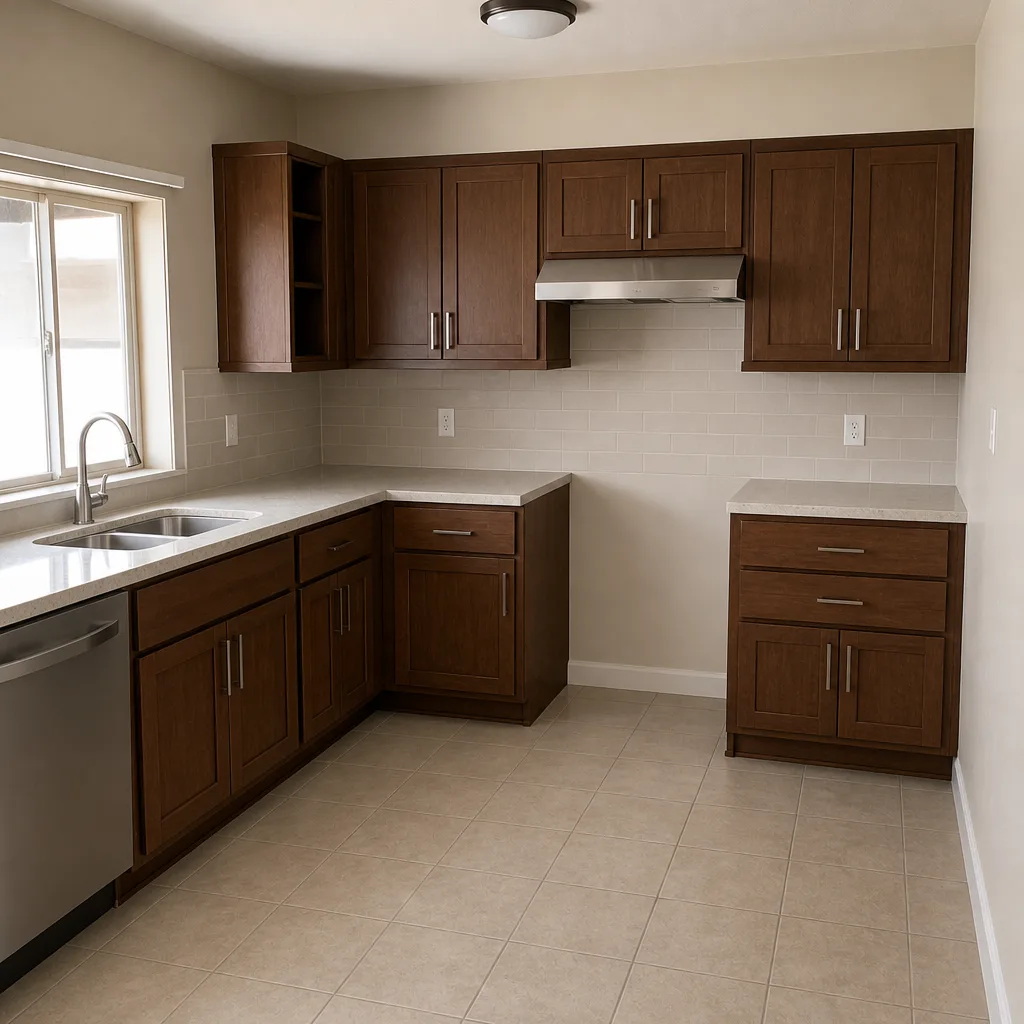
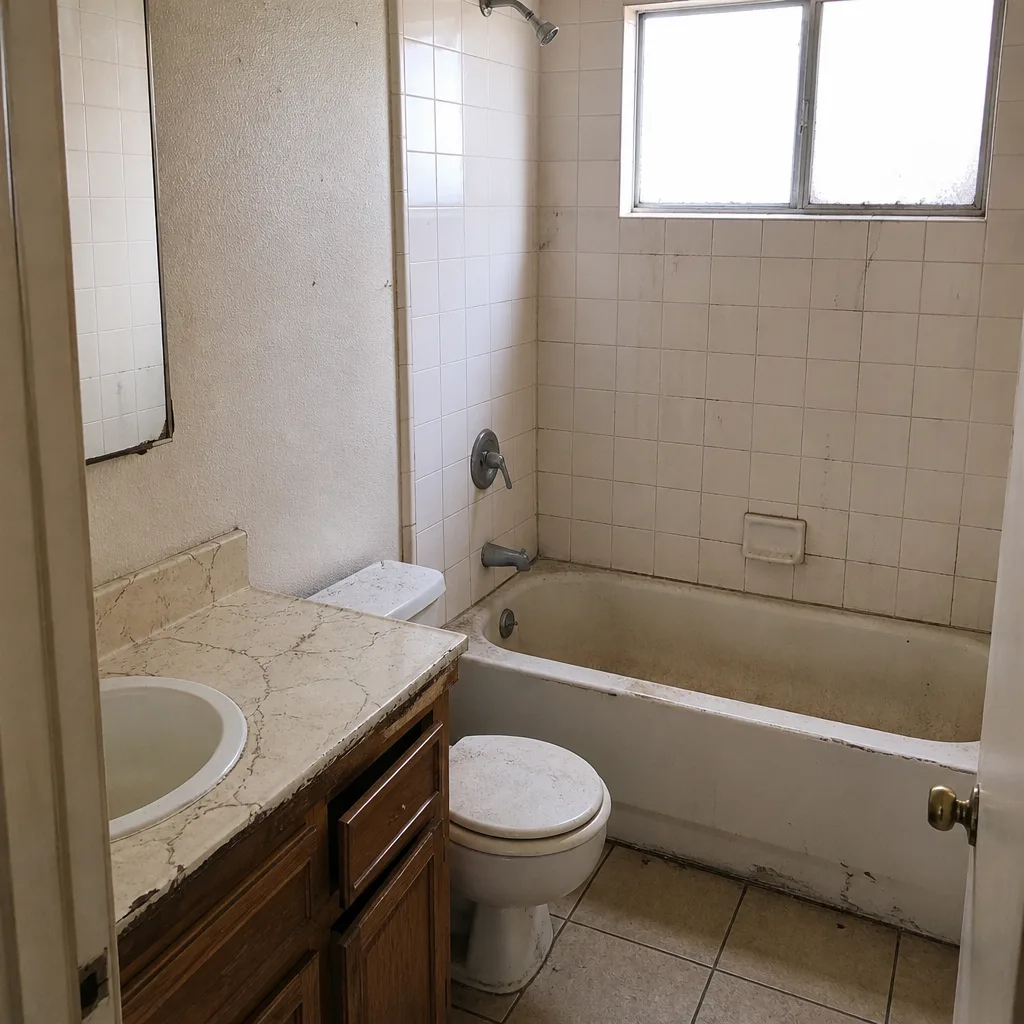
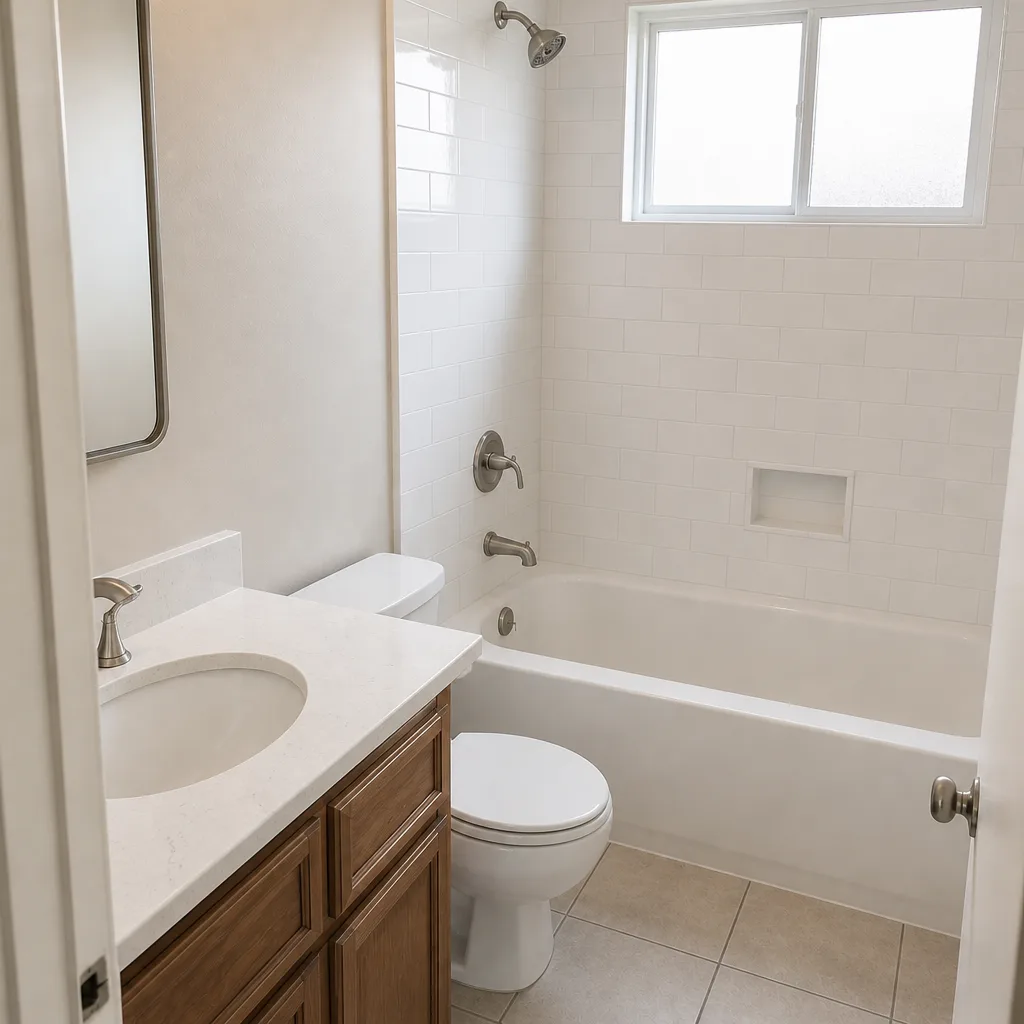
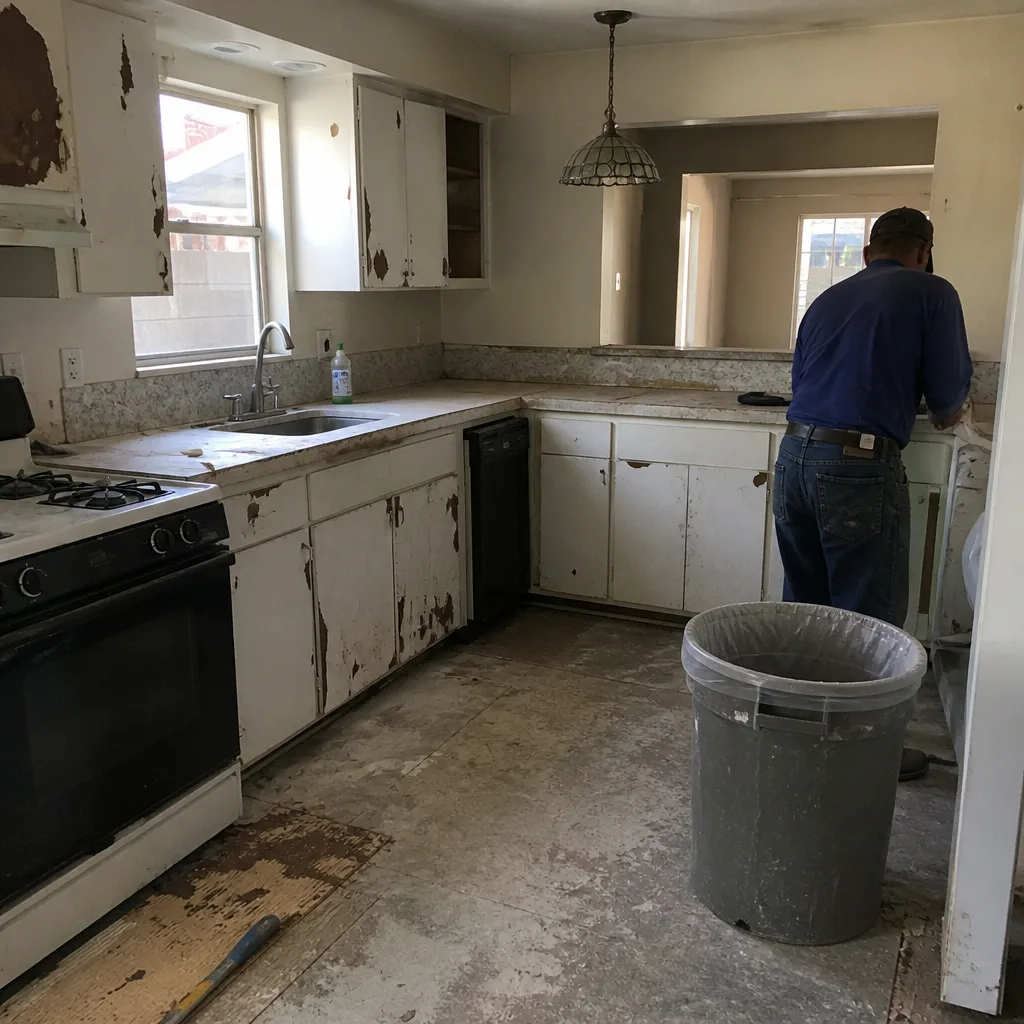
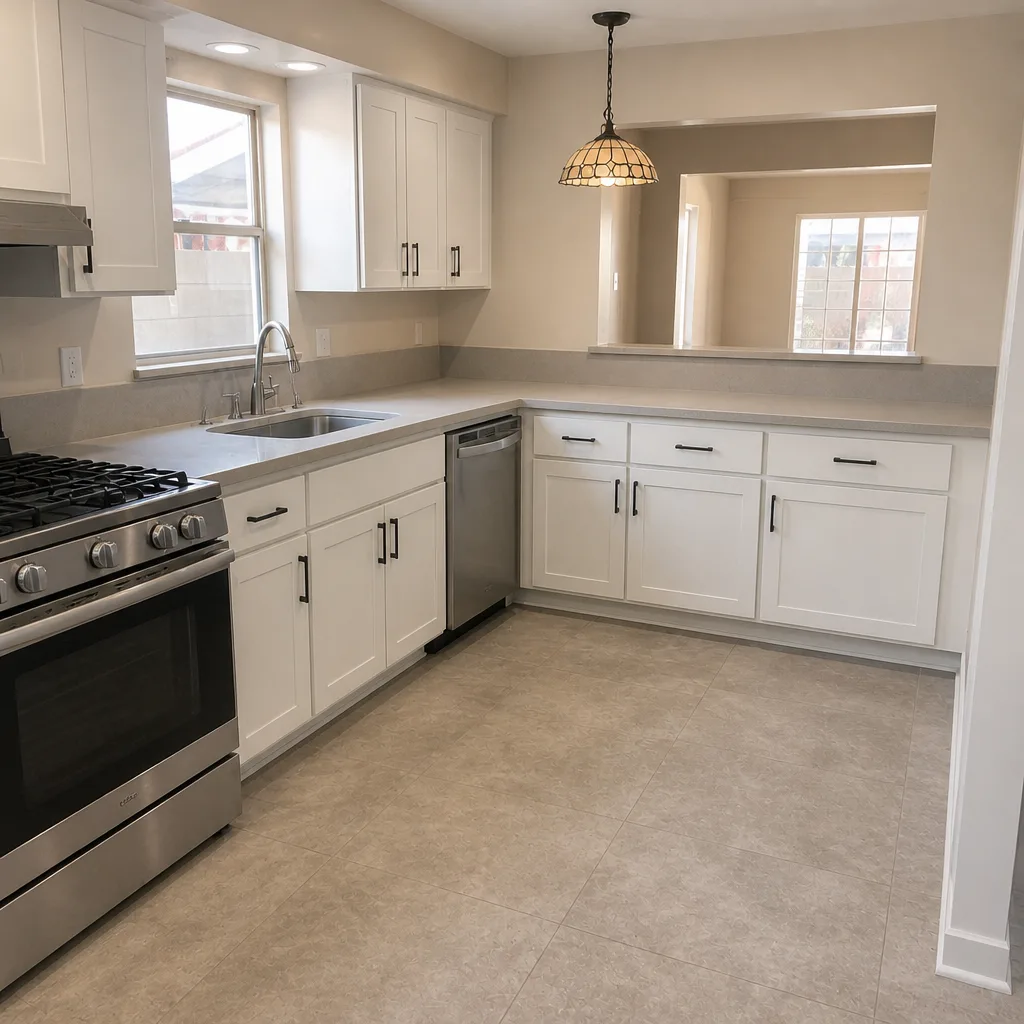
See the difference
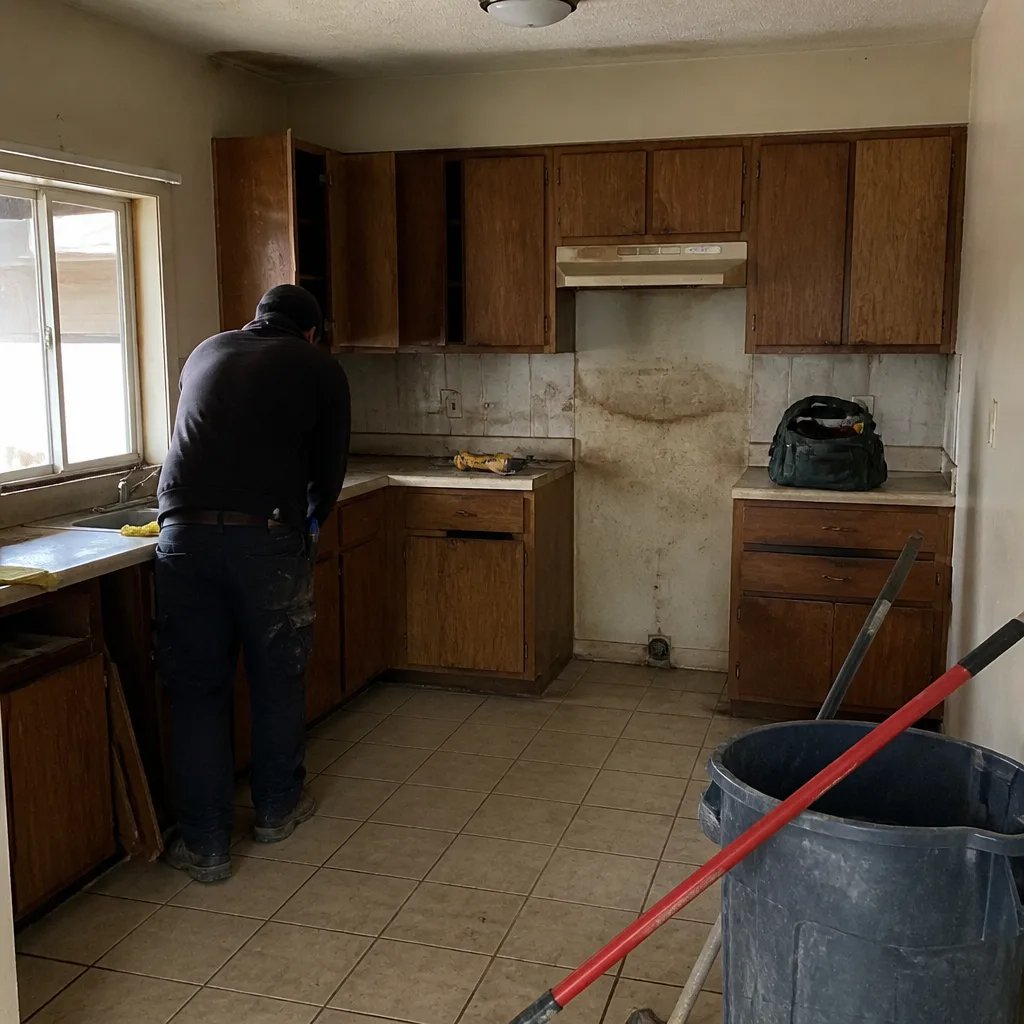 Before
 After
 Before
 After
 Before
 After
When to Call a Professional
Some work is fine to do yourself. Some isn’t. Call a licensed professional contractor in Sunrise Manor for anything that touches structure, plumbing, electrical, gas, or the building envelope, and for any remodel involving more than one trade. Moving a wall, relocating a drain, opening an electrical panel, installing a shower pan (the waterproofing failure point that causes most water damage), and anything requiring a permit all belong with a licensed contractor who will pull the permit and pass inspection. If you’re weighing a project and want a real number before you commit, Penhallow Remodeling in Sunrise Manor offers free written estimates, and we’ll tell you plainly if the work is small enough to skip us. Call (844) 972-4834 to schedule your free estimate.
Frequently Asked Questions
Use the Nevada State Contractors Board’s online license lookup and check four things: that the license is active, that the license class matches your work (Class B-2 Residential for a whole-home remodel), that the business name matches your contract, and that the license’s monetary limit covers your project size. Ask the contractor for their license number up front and tell them you’re verifying it. Call (844) 972-4834 for a free estimate from a licensed Sunrise Manor contractor.
Kitchen remodels in Sunrise Manor typically run $18,000 – $55,000 depending on layout changes, cabinet line, and countertop material, and bathroom remodels typically run $9,000 – $28,000 depending on whether the layout moves and how much tile work is involved. The range is wide because the biggest cost drivers are what you change: moving plumbing or electrical pushes the number up, keeping the footprint down. Call (844) 972-4834 for a written line-item quote on your specific project.
A written price should not change once work starts, and any legitimate change should only happen through a written change order you approve before the work continues. Verbal estimates in the Las Vegas metro market have a habit of growing 20 – 40% once demolition begins, which is exactly why you want a written scope and a written price before anyone picks up a tool. We give you a written number before work starts, and the number on day one is the number on the invoice. Call (844) 972-4834 for a free estimate.
Yes, a licensed Class B-2 contractor should pull the permits for structural, plumbing, electrical, and gas work in Sunrise Manor, and the permits are pulled through Clark County. Ask any contractor you’re considering who pulls the permit, whether permit fees are included in the written price, and whether you’ll get the signed-off inspection card at close. If they dodge the question, that’s your answer. Call (844) 972-4834 for a free estimate.
A bathroom remodel in Sunrise Manor typically takes 2 – 4 weeks, a kitchen 4 – 8 weeks, and a whole-home remodel 3 – 6 months, depending on scope and material lead times. The exact timeline should be written into your contract with a start date and expected duration, plus a stated arrival window for each phase. Weather is rarely the delay here; material lead times and permit inspections are. Call (844) 972-4834 for a free estimate and a real timeline for your project.
A real workmanship guarantee should state what’s covered (labor and materials, or both), how long it lasts, what’s excluded, and exactly what happens when you call with a problem. Look for a guarantee that covers the installation itself, since that’s what fails first, and one that promises a real return visit rather than a phone runaround. The 365-Day Done Right Promise on every project we take on means we come back and fix it at no charge if the work fails inside the year, and there’s no service call or re-inspection fee on the return visit. Call (844) 972-4834 for a free estimate.
The Bottom Line
Hiring a contractor in Sunrise Manor comes down to paperwork, not personality. Verify the license through the Nevada State Contractors Board, confirm the license class matches your work, and get the five written documents – scope, price, payment schedule, timeline, and guarantee terms – in hand before a single thing is moved. Compare bids on identical written scopes, not on totals. Walk away from large cash deposits, “we’ll know more once we open the wall” pricing, and any offer to skip the permit. Do that, and the number you agree to is the number you pay. Call (844) 972-4834 for a free written estimate from Penhallow Remodeling Sunrise Manor, and we’ll put it all in writing before you commit to anything.
Written by the team at Penhallow Remodeling Sunrise Manor.