Last updated November 17, 2026





Free written scope consultation - allowances, timeline, and change-order rules on paper before a single trade is scheduled
DIY vs Professional Bathroom Remodeling: What’s Safe to Do Yourself
An incorrectly wired GFCI outlet in a bathroom doesn’t just fail to protect you – it can pass a visual look-over while still being wired in a way that turns a hair dryer into a shock hazard. That single fact explains why bathroom remodeling has one of the highest rework rates of any home project. It’s not that homeowners lack skill. It’s that a bathroom compresses plumbing, electrical, waterproofing and tile into 40 square feet, and every trade affects the others. This guide maps exactly where your own hands are the right tool in Sunrise Manor – and where they aren’t.
Quick Answer
Yes, you can DIY parts of a bathroom remodel – painting, vanity swaps, mirror hanging, accessory installs and finish work are all reasonable for a careful homeowner. But shower waterproofing, floor drain work, and any electrical or plumbing that runs behind the walls are not safe DIY in Nevada, and they’re the three areas where a small mistake compounds into thousands of dollars of hidden water damage or a genuine shock and fire risk. The workable answer for most Sunrise Manor homeowners is a hybrid: you handle demo and finishes, licensed trades handle the wet and wired work.
Styles & brands we work with
- Kitchen remodeling
- Bathroom remodeling
- Home additions & ADU
- Roofing
- Windows & doors
- Driveway & pavers
- Fence
Table of Contents
- Scope-by-Scope: What’s Safe to DIY and What Isn’t
- Why Waterproofing Is the Highest-Consequence DIY Mistake
- Pulling a Clark County Owner-Builder Permit: What to Expect
- The Inspections DIYers Fail Most Often
- The Hybrid Approach: Splitting the Job Safely
- Bathroom Electrical and the Limits of Inspection
- How Unpermitted Work Shows Up at Resale
- What Each Path Actually Costs
Scope-by-Scope: What’s Safe to DIY and What Isn’t
Bathroom work splits into three tiers, and the tier depends on one question: does the work sit behind a surface you’ll never see again until it fails?
Tier one – genuinely safe to DIY. Painting walls and ceilings, swapping a vanity top on existing plumbing stub-outs, replacing a mirror, installing towel bars and shelving anchored into studs, re-caulking along a tub edge, and laying a simple luxury vinyl plank floor over a sound subfloor. None of these touch the waterproof envelope, the drain line, or a live circuit you can’t isolate. If your only goal is a fresher bathroom before selling, a weekend of painting and a new vanity in Sunrise Manor runs a few hundred dollars and carries almost no risk.
Tier two – mixed, depends on your comfort and the age of the home. Replacing a toilet, swapping a faucet on existing shutoffs, hanging a new light fixture on an existing junction. These are mechanical and reversible if the shutoffs and wiring are sound, but a frozen shutoff valve or a junction box with no ground turns a twenty-minute swap into a call. In our experience the older block homes around Sunrise Manor often have shutoff valves that haven’t been turned in twenty years and seize the moment you touch them.
Tier three – do not DIY. Shower and tub waterproofing, shower pan construction, any floor drain work, moving or adding a drain line, adding a circuit or outlet, and anything inside the main electrical panel. Nevada requires licensed trades for this work, and the consequences of getting it wrong are structural or life-safety, not cosmetic.
Why Waterproofing Is the Highest-Consequence DIY Mistake
A shower that leaks doesn’t leak into the room. It leaks down through the pan, into the subfloor and the ceiling below, and it does it slowly enough that you won’t notice until the drywall sags or the floor tile pops loose. By then you’re not fixing a shower – you’re replacing framing.
The mechanics are simple to state and hard to execute. A shower pan needs a pre-slope so water moves toward the drain, a waterproof membrane that laps correctly at every corner and curb, and a cement board substrate (the moisture-resistant layer behind your tile) that’s fastened and taped to the manufacturer’s spec. Each of those steps has a right way and a wrong way, and the wrong way looks identical to the right way once the tile is on.
Here’s the cost reality:
- A correctly built, waterproofed shower pan with a licensed tiler typically runs $2,400-$5,600 depending on size, tile choice and whether the drain moves.
- Tearing out a failed DIY shower, correcting rotted subfloor and framing, and rebuilding from scratch commonly lands at $6,000-$11,000 – and that’s before any ceiling repair below.
- Water damage that reaches a downstairs ceiling in a two-story Sunrise Manor home adds drywall, insulation and paint to the bill.
The math is unforgiving. The waterproofing is the cheapest part of the shower and the most expensive thing to get wrong. This is the single area where we tell homeowners plainly: hire it. Cambria quartz and Kohler fixtures don’t help you if the membrane behind them fails in year three.
Pulling a Clark County Owner-Builder Permit: What to Expect
Nevada lets a homeowner act as their own contractor on their own primary residence through an owner-builder permit. It sounds like a shortcut. It’s really an assumption of responsibility – you become the general contractor, which means you schedule the trades, you’re on site for inspections, and you carry the liability for the work.
Here’s the path, step by step:
- Confirm the scope triggers a permit. A cosmetic refresh (paint, fixture swaps, new vanity top) usually doesn’t. Moving plumbing, adding a circuit, altering a shower pan or reconfiguring a wet wall does.
- Prepare the application with a simple floor plan, a scope description, and the valuation of the work.
- Submit to Clark County’s building department and pay the permit fee, which scales with the project valuation – a modest bathroom remodel commonly lands in the few-hundred-dollar range.
- Post the permit on site and follow the inspection sequence: rough plumbing and rough electrical first, then waterproofing or shower pan inspection, then final.
- Subcontract licensed trades where the law requires it. An owner-builder can pull the permit, but electrical and plumbing still need the licensed hands under Nevada rules.
- Close out the permit with the final inspection before you button up the job.
For more complex bathrooms in Sunrise Manor, most homeowners find that the permit handling alone is worth handing to a General Contractor in Sunrise Manor who does it routinely. We pull permits and walk the inspections on every bathroom job as a standard part of the project.
The Inspections DIYers Fail Most Often
The inspection sequence has three or four gates, and the failures cluster in the same places. If you’re going owner-builder, know where the traps are before you get there.
- Rough plumbing. DIYers fail here on slope – drain lines need the right fall – and on venting. A shower drain that doesn’t vent correctly will gurgle and drain slowly, and it fails rough inspection.
- Rough electrical. Failures cluster on GFCI placement in wet zones, box fill, and missing or improper grounding. The outlet may work, but the inspector is checking whether it protects.
- Shower pan and waterproofing. This is the most-failed gate for owner-builders. Membranes that lap the wrong direction, missing pre-slope, fasteners driven through the membrane, and curb corners that aren’t reinforced correctly all fail. The inspector reads the manufacturer’s installation spec, and so should you.
- Final. Failures here are paperwork as often as workmanship – missing sign-offs on earlier stages, unpermitted changes made after rough inspection, or fixtures installed before the pan inspection was signed.
The pattern: the inspections that fail most are the ones testing work you can’t see. That’s not a coincidence. It’s the whole reason the inspection exists.
The Hybrid Approach: Splitting the Job Safely
For most homeowners, a full DIY bathroom remodel is a bad trade and a full-contractor remodel feels like more than they need. The middle path is what we build for most Sunrise Manor families: the homeowner takes the parts that carry no life-safety or water-containment risk, and licensed trades handle everything behind the finish.
The split that works:
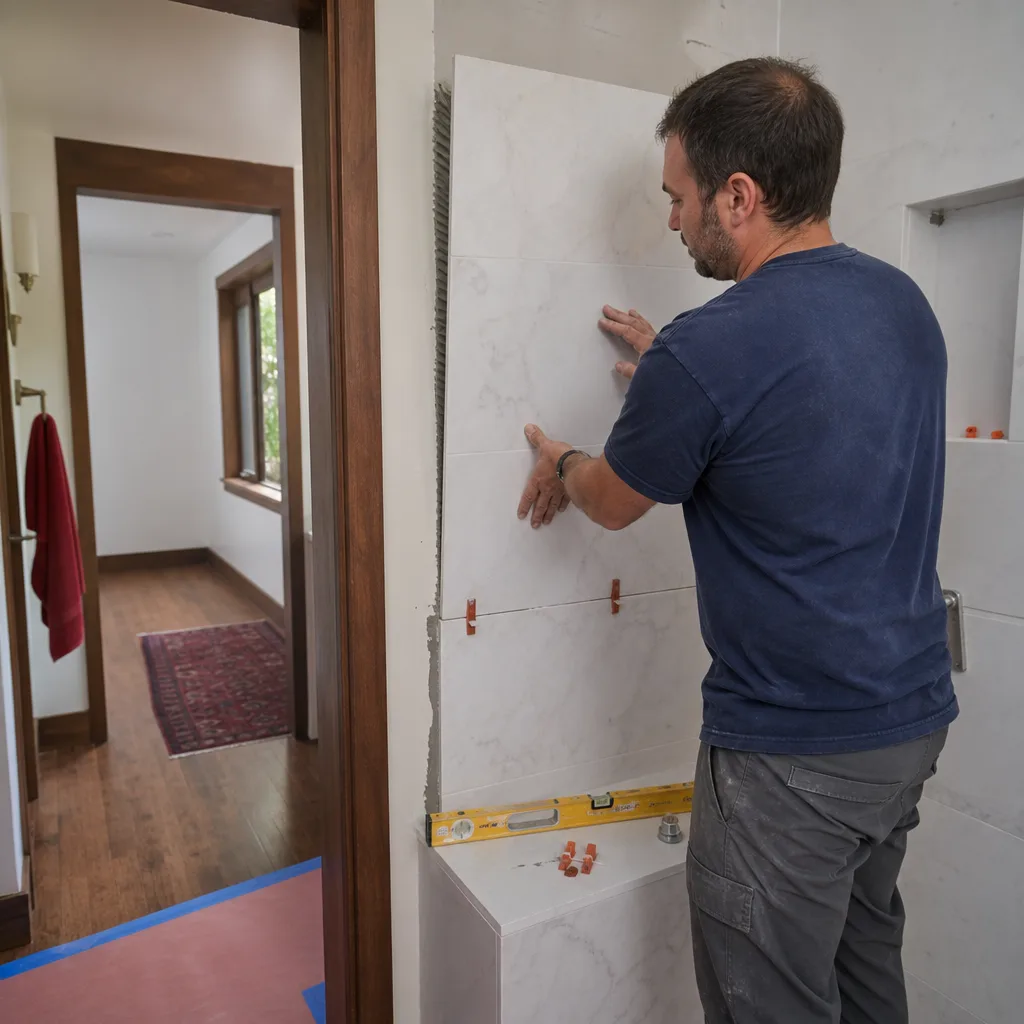
- You handle: demo and haul-away, wall prep and painting, installing the vanity cabinet and mirror after the rough work is done, hanging accessories, re-caulking, and finish trim.
- Licensed trades handle: rough plumbing, rough electrical and GFCI protection, shower pan and waterproofing, tile setting on wet areas, and the final plumbing and electrical hookups.
- You schedule and inspect: as owner-builder, you coordinate the trades and hold the inspection calendar. Or you hand that to a general contractor and step out of it entirely.
This split is where a Bathroom Remodeling in Sunrise Manor project typically saves real money: you’re paying licensed rates only for the hours where licensing matters, and doing the labor-intensive finish work yourself. On a mid-range bathroom, that split often saves 15-25% versus a fully contracted job while keeping the waterproofing and wiring under a professional’s hands.
Bathroom Electrical and the Limits of Inspection
Bathrooms demand GFCI protection on outlets serving the vanity and near water, and the code reasoning is simple: a ground fault can happen before a breaker trips. A GFCI catches that fault where it happens and cuts power in a fraction of a second. Get the wiring wrong and the device may still power a hair dryer while providing no protection at all.
This is the part of DIY that inspections don’t fully solve. The inspector will catch missing GFCI, bad box fill and grounding issues – but a miswired GFCI that appears to function can pass a quick visual check, and its failure mode is a shock hazard, not a dim light. Wiring knowledge is what catches it, not a checklist. The same logic applies to adding a circuit for a heated floor or a new exhaust fan: the device may run, but the load calculation and the bonding are what keep it safe.
If your bathroom’s electrical is older than the 2017-era code revisions in Nevada – and a lot of the older housing in Sunrise Manor is – assume lighting and outlet work needs a fresh look by a licensed electrician before you touch it. The rest of the bathroom can be carefully DIY. The panel and the wet-zone wiring shouldn’t be.
If your broader plans extend past the bathroom, the same caution applies across the house. See our full Kitchen Remodeling in Sunrise Manor guide for where the trades break on a larger job, and start from the Penhallow Remodeling Sunrise Manor home page to see how we structure a full project.
How Unpermitted Work Shows Up at Resale
Unpermitted bathroom work is invisible until it isn’t. The shower works, the vanity is gorgeous, and then a buyer’s inspector runs the shower for twenty minutes and sees water in the subfloor or spots a drain rough-in with no permit trail.
What shows up on the report most often:
- New plumbing fixtures and a drain line with no permit record and no inspection stamps.
- A shower or tub surround rebuilt without a waterproofing inspection – the inspector can’t confirm the pan, and neither can the buyer.
- Electrical additions – a new outlet, a heated floor – with no permit or an unsigned final.
The remedy a buyer’s agent typically asks for before closing is one of two things: a licensed contractor’s written statement that the work meets code, or removal and rebuild. Neither is cheap and both come out of your side of the deal. In our experience the single most common unpermitted item in Sunrise Manor bathrooms is a shower pan rebuild, and it’s also the one most likely to be flagged because it’s the one a home inspector can probe for water without opening a wall.
What Each Path Actually Costs
The honest comparison, in real numbers for the Sunrise Manor market:
- Full DIY bathroom remodel: $1,800-$4,500 in materials for a modest bathroom, plus the hidden cost of rework if waterproofing or a drain fails – commonly $5,000-$11,000 to fix.
- Hybrid (you do demo and finishes, trades do wet and wired work): typically 15-25% less than a fully contracted job on the same scope.
- Fully contracted bathroom remodel: $9,000-$28,000 depending on size, fixture line and whether the layout moves. Mid-range Sunrise Manor bathroom remodels with Kohler or Moen fixtures and a new tiled shower commonly land in the $14,000-$22,000 range.
- Owner-builder permit fee: a few hundred dollars on a typical bathroom valuation, plus inspection time off work.
Wherever you land on the spectrum, get a written price before work starts – not a range, a number you can hold someone to. That rule applies whether you’re hiring a general contractor or a single licensed tiler.
Common Mistakes to Avoid
- Treating a visual inspection as proof the wiring is safe. A GFCI that powers on can still be wired to leave you unprotected. If the wiring isn’t yours to read, don’t trust the outlet to work correctly – trust the electrician’s sign-off.
- Rebuilding a shower pan without a pre-slope. It’s the most-skipped step and the most-failed inspection. The membrane looks right and fails in year two; in Sunrise Manor’s hard water, the symptoms are slow to show, so you’re often already selling by the time it does.
- Pulling an owner-builder permit and then skipping the rough inspections. The permit is only useful if you close it out. An open permit is a red flag to any buyer’s agent and a documented problem at resale.
- Doing the demo before the rough work is planned. Tearing out tile before a plumber has looked at the drain line means you’ve removed the one thing that told you where the water goes. Plan first, demo second.
- Cheap waterproofing materials to save a few dollars. The membrane and cement board behind the tile are a small fraction of the shower cost and the entire cause of failure. This is the wrong line item to economize on.
- Adding a circuit or outlet without a load calculation. A heated floor or towel warmer is a real load. A bathroom on an overloaded circuit trips at the worst moment and a melted junction isn’t a cosmetic fix.
- Not keeping the permit and inspection records. When the bathroom sells, the paperwork is the proof. Keep the permit number, the inspection sign-offs and the warranty documents together in one folder.
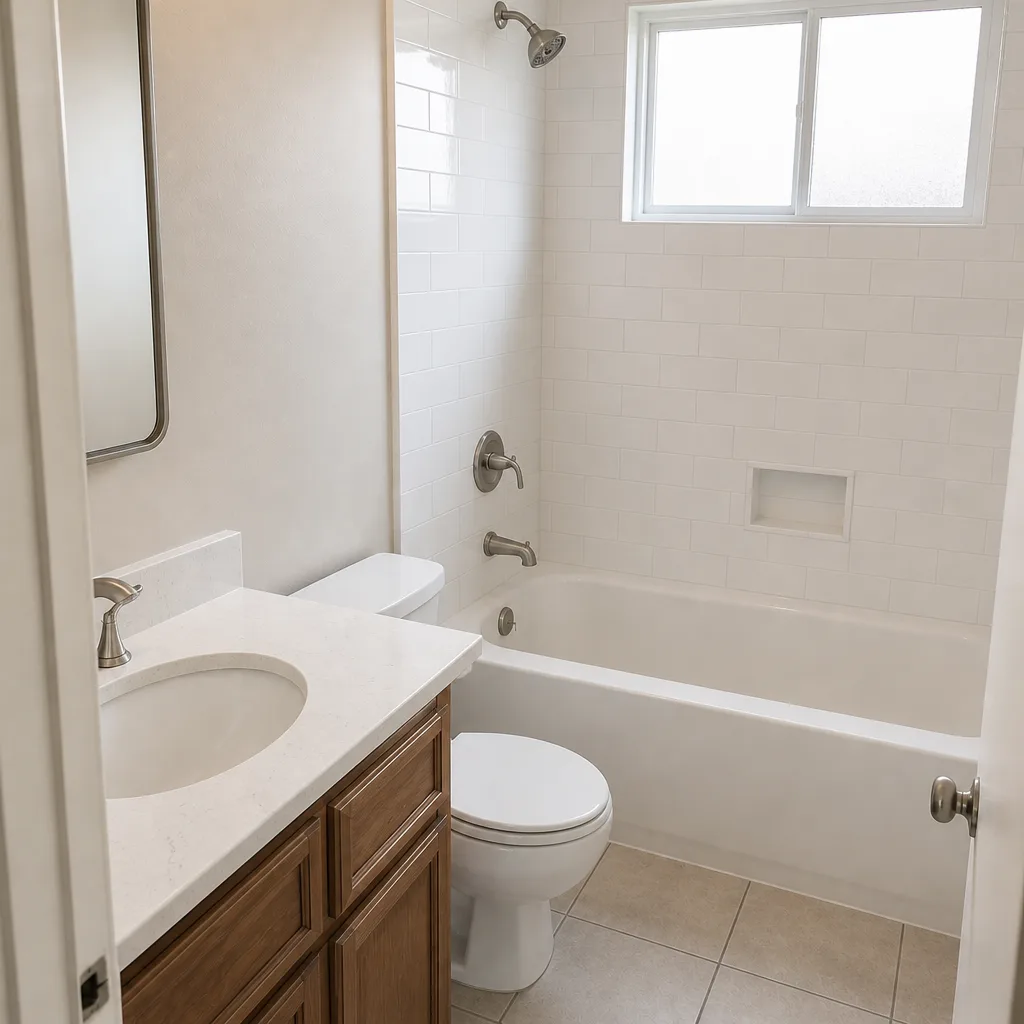
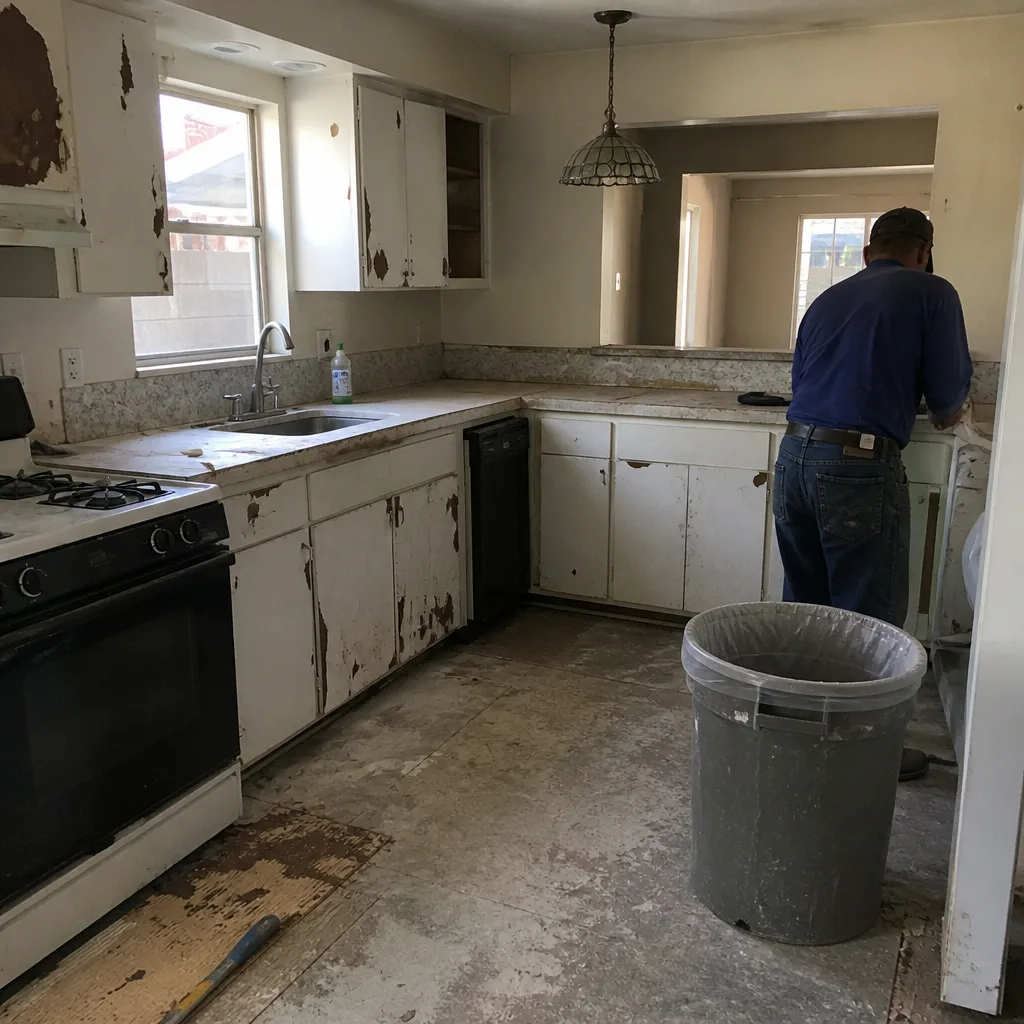
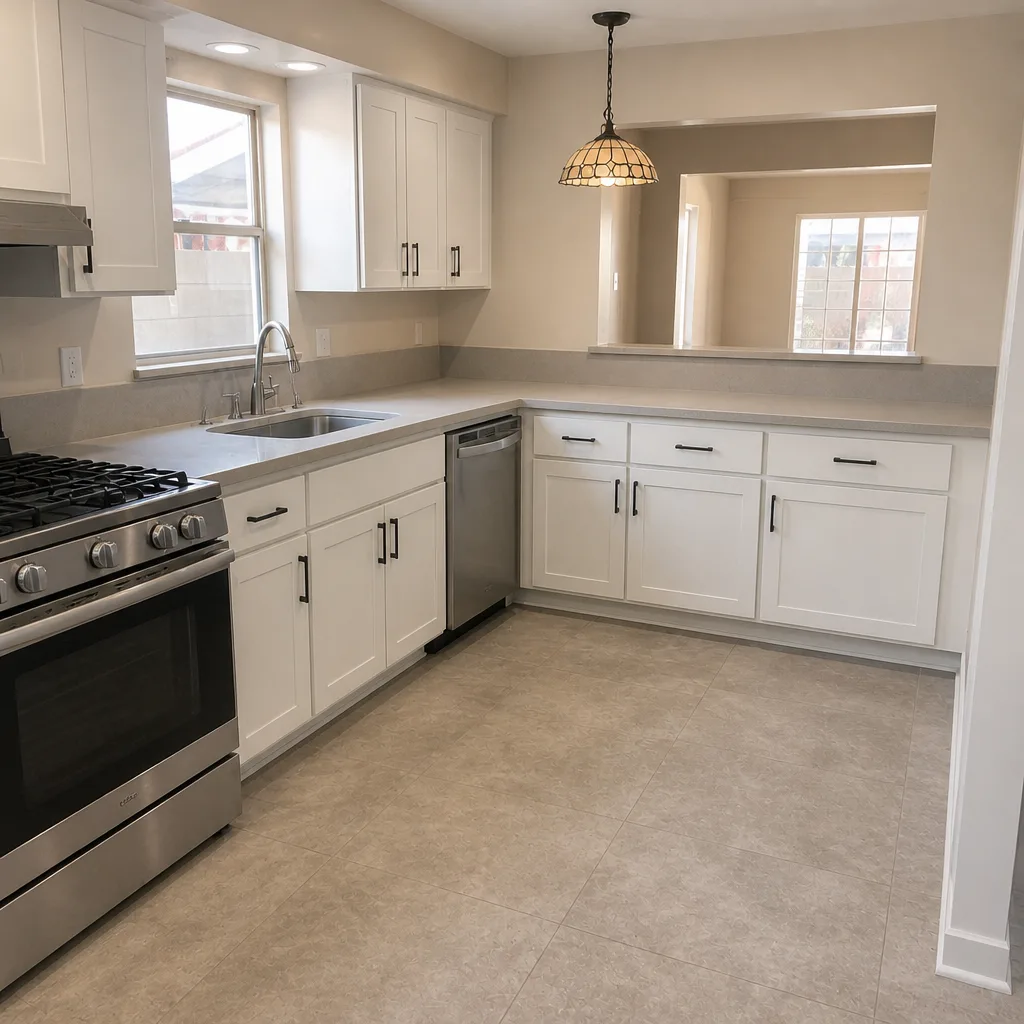
See the difference
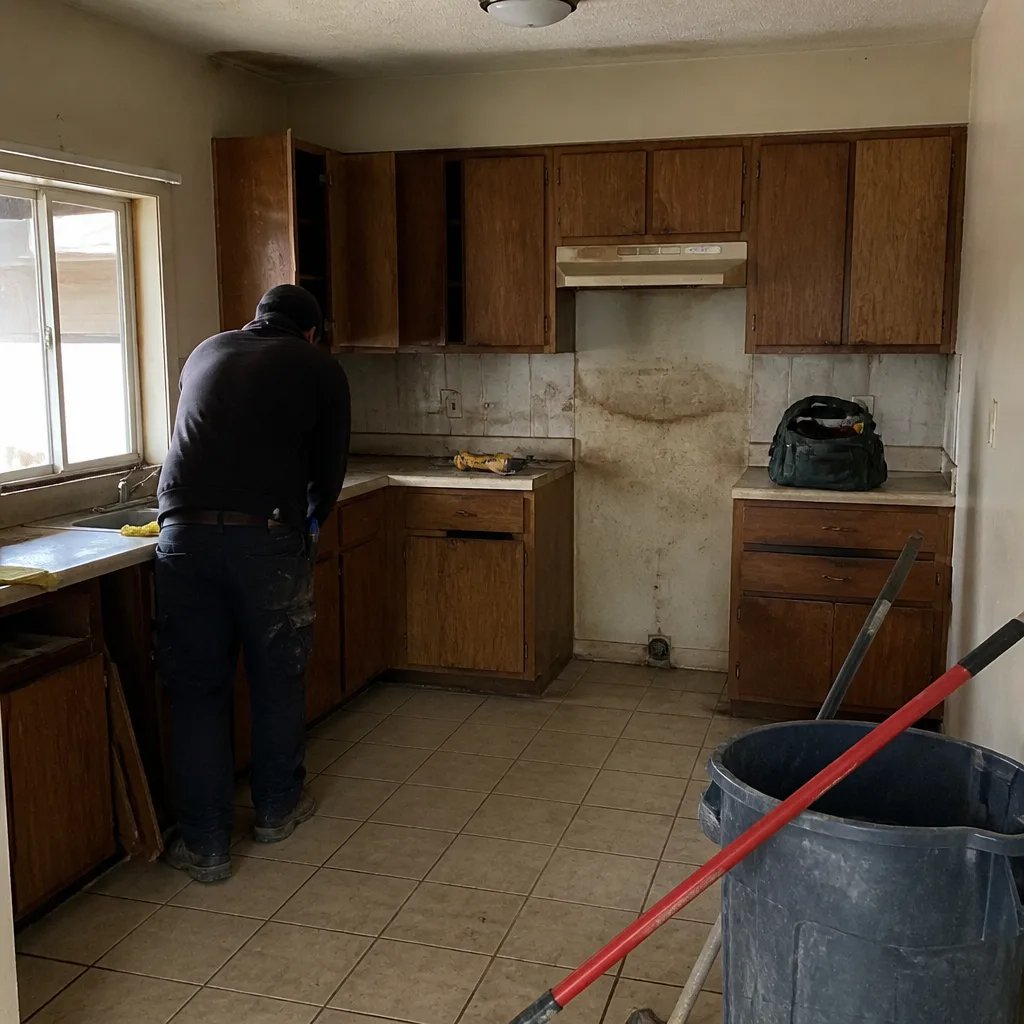 Before
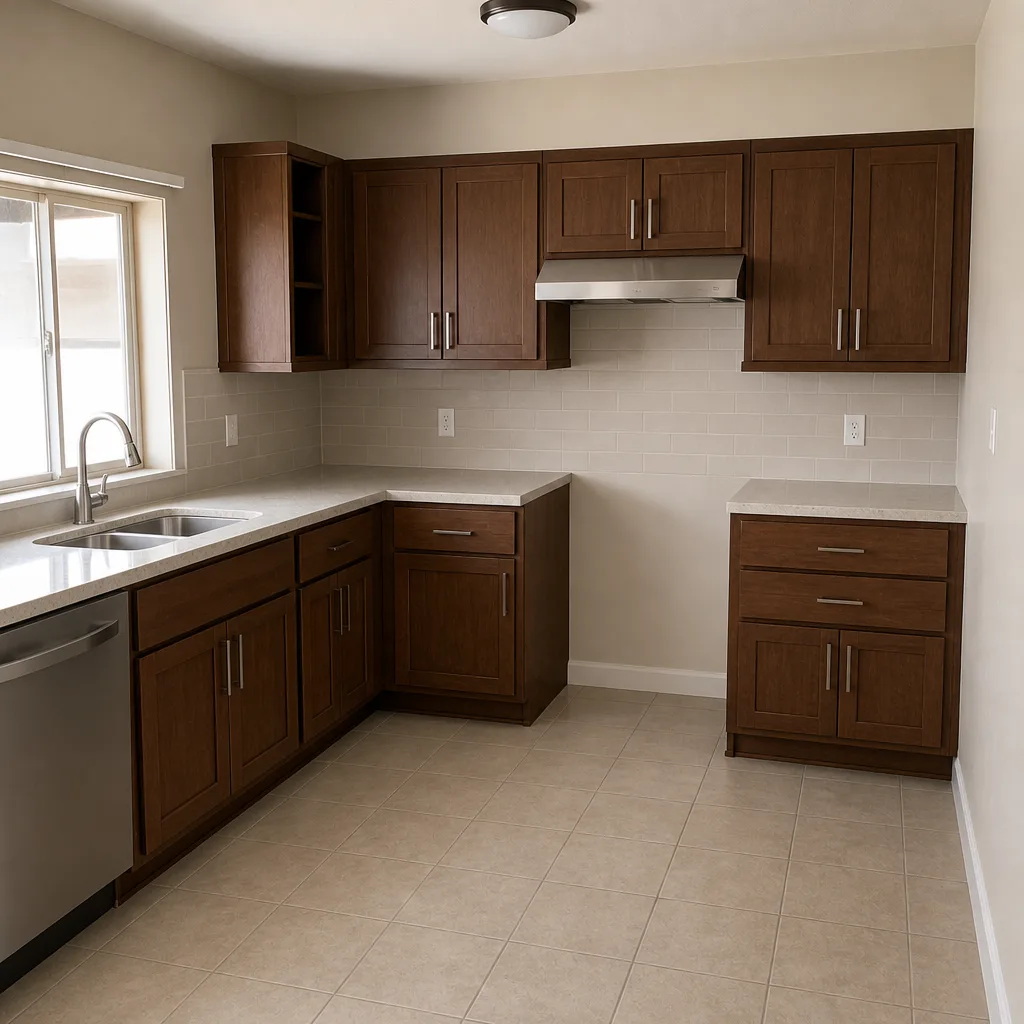 After
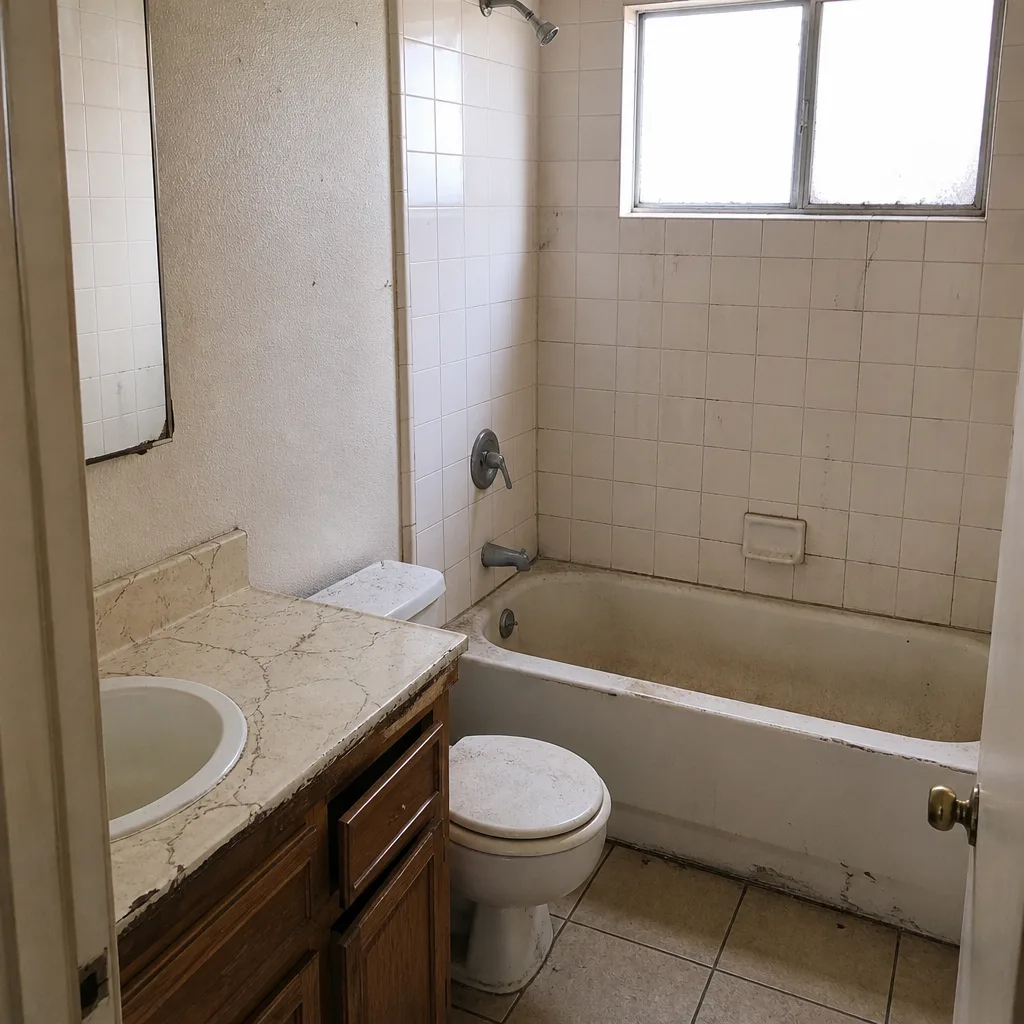 Before
 After
 Before
 After
When to Call a Professional
Call a professional the moment your scope touches the shower pan, a drain line, a new circuit, or the panel. Call if your home is older and you haven’t had the shutoffs or the wiring inspected in a decade. Call if you’re planning to sell, because an unpermitted bathroom walk-away is the most expensive version of this project. Call if your own time is better spent elsewhere – a hybrid project gets done in weeks, not months. And call if you simply don’t want the risk on your hands: waterproofing and electrical carry consequences that a written guarantee can absorb. Penhallow Remodeling Sunrise Manor offers free estimates in Sunrise Manor – call (844) 972-4834.
Frequently Asked Questions
You can DIY the finish work – painting, vanity installation, mirror hanging, accessories – but not the waterproofing, plumbing or electrical. In Nevada those three require licensed trades, and getting them wrong risks thousands in hidden water damage or a real shock hazard. The hybrid split is the safe middle path for most Sunrise Manor homeowners.
Rebuilding a failed shower pan, including tearing out the failed membrane, correcting rotted subfloor and re-tiling, typically runs $6,000-$11,000 – roughly double the cost of building it correctly the first time. Call (844) 972-4834 to get a written price before you start either version of the job.
Yes, if you’re moving plumbing, adding a circuit, or altering a shower pan or wet wall. Cosmetic work – paint, fixture swaps, a new vanity top – usually doesn’t. As an owner-builder you can pull the permit, but you still need licensed trades for electrical and plumbing under Nevada rules.
A fully contracted mid-range bathroom typically takes three to five weeks from demo to final inspection. A DIY project often stretches past three months once permit inspections, trade scheduling and the inevitable surprises are added up. Timelines usually move on the same things: schedule availability for the licensed trades.
It can, and it usually does. Buyers’ inspectors flag unpermitted plumbing, electrical and shower work, and their agents commonly ask for a licensed sign-off or removal before closing. Keeping the permit record is the single best defense, and it’s the reason we pull and close permits on every bathroom job.
Often, yes. Many contractors will take a project after demo if the layout is unchanged and the rough work hasn’t started. The constraint is that demo has to happen without damaging the plumbing stub-outs, the drain line or any wiring you can’t see. Agree on the split with your contractor in writing before a hammer swings.
The Bottom Line
Bathrooms concentrate every trade into a small space, and the parts you can’t see are the parts that cost the most when they go wrong. Paint, a new vanity and accessories are yours to do. Shower waterproofing, drain work and electrical wiring are the trades a license exists for – and the math is clear: waterproofing done right the first time costs far less than the rebuild. The hybrid split lets you keep the labor savings and skip the risk. If your project in Sunrise Manor touches a wet wall or a live circuit, get it in a professional’s hands, and get the price, the guarantee and the permit in writing before work starts. Call (844) 972-4834 for a free estimate.
Written by the team at Penhallow Remodeling Sunrise Manor.