Last updated November 17, 2026





Free written scope consultation - allowances, timeline, and change-order rules on paper before a single trade is scheduled
Construction Warning Signs: A Sunrise Manor Homeowner’s Reference Guide
Most of what people search for when they type “construction warning signs” is cosmetic. The hairline crack in a bathroom tile. A sticking door. Scuff marks on the drywall from the couch. Those are worth noticing, but they’re not what should keep you up at night. The warning signs that actually cost $20,000 to fix are quieter: a floor that slopes a quarter-inch over eight feet, an HVAC return that’s dusty again three days after you cleaned it, a stretch of stucco that sounds hollow when you tap it with your knuckles. In a desert-slab market like Sunrise Manor, those small signals often point to soil movement, moisture intrusion, or ductwork problems that have been developing for years. This guide walks you through the ones that matter.
Styles & brands we work with
- Kitchen remodeling
- Bathroom remodeling
- Home additions & ADU
- Roofing
- Windows & doors
- Driveway & pavers
- Fence
Quick Answer
The most serious construction warning signs in Sunrise Manor homes are structural, not cosmetic: cracks wider than a credit card, floor slope you can feel underfoot, hollow-sounding stucco, HVAC returns that dust up immediately after cleaning, and any water staining on interior walls or ceilings even here in the desert. Catch them early and you’re looking at a repair; miss them for a few more years and you’re looking at foundation work, re-stucco, or a duct replacement. All three are far more expensive than the assessment that could have caught them.
Table of Contents
- Cosmetic vs. Structural Cracks in Sunrise Manor Slab Homes
- The Floor Slope Test Most Homeowners Skip
- What Hollow-Sounding Stucco Actually Means
- HVAC and Ductwork Warning Signs in Desert Homes
- Water Intrusion Signals in a Climate Where Rain Is Rare
- How to Document Warning Signs So You Get an Honest Bid
- When the Warning Sign Justifies a Professional Visit
- Frequently Asked Questions
Cosmetic vs. Structural Cracks in Sunrise Manor Slab Homes
Almost every Sunrise Manor home sits on a post-tension or conventional slab, and every slab in a desert climate is going to shift some over its lifetime. Cracks are normal. The question is which ones are telling you the soil underneath has moved enough to matter. This is where most homeowners get it wrong: they treat all cracks the same, patching the small ones and worrying about the big ones, when the size isn’t the only signal. Direction, location, and whether the crack is still moving tell you far more than width alone.
Here’s a simple visual test. Make a pencil mark across the widest part of the crack, perpendicular to it, on both the wall and the adjacent surface. Date the mark with a small piece of painter’s tape. Check it again in 30 days. If the crack has crossed the mark, it’s active and worth a professional look. If it hasn’t moved in six weeks, it’s more likely settled and stable.
- Cosmetic cracks are usually hairline, vertical, less than 1/16 inch wide, and appear around drywall seams, above doorways, or near window corners. They’re caused by wood framing drying and shrinking over the first several years after construction, and by the normal expansion and contraction that comes with Sunrise Manor’s 40-degree temperature swings between night and day.
- Structural cracks are usually wider than 1/8 inch, run diagonally from a corner, form stair-step patterns in block walls, or appear near structural elements like beams, headers, and slab edges. They can widen over a few weeks, and they sometimes come with doors that suddenly stick or gaps you can see daylight through.
In Sunrise Manor we see structural cracks most often on homes built on filled lots or near the washes, where the soil was graded or disturbed before the slab went in. If your home backs up to the desert edge or sits on a lot that was filled, treat any diagonal crack as worth a second look even if it’s narrow.
The Floor Slope Test Most Homeowners Skip
Floor slope is the warning sign that gets discounted the most because it develops gradually. You don’t notice your floor has started to slope because your feet adjust to the angle day by day. Then you have guests over, and someone comments that your kitchen feels “off,” and you realize the room has been tilting for years.
The test is simple. Set a 4-foot level on the floor and check the bubble. You’re looking for anything over a quarter-inch of fall across 4 feet, which is a slope of about 1/8 inch per foot. That’s the point where a floor stops feeling flat and starts feeling slanted. For a longer read, roll a marble or a small ball bearing across the floor in a few directions and watch where it drifts. Drift toward one wall, a door, or a slab crack is a signal. Drift that changes direction in different rooms usually isn’t.
What causes it in Sunrise Manor? Three things, mostly. First, slab settlement over soil that wasn’t compacted well at build. Second, plumbing leaks under the slab that soften the soil, which we’ll get to in the water-intrusion section. Third, failing post-tension anchor pockets or tendons, which is less common but more serious. Any slope over 1/2 inch across 4 feet, or a slope that’s clearly new (you or a family member can remember a time the floor didn’t feel this way), deserves a call. Floor slope that appears suddenly in the space of a week is the one you don’t wait on.
Not every sloped floor is a foundation problem. Tile installs over deflection-prone wood subfloor can slope too, especially in older Sunrise Manor homes where the joists were undersized for tile. A good contractor will check both before assuming the worst. If you’re planning a bathroom or kitchen project, bringing in a general contractor in Sunrise Manor early lets you find out what’s underneath before you commit to finishes.
What Hollow-Sounding Stucco Actually Means
Stucco is the default exterior for most Sunrise Manor homes, and hollow-sounding stucco is one of the most misunderstood warning signs. Homeowners hear a tap and think “the house is falling down.” Most of the time it isn’t. But sometimes it’s the beginning of a problem that will cost five figures to fix, and the difference is in what’s happening behind the stucco coat.
Stucco is a three-layer system: scratch coat, brown coat, and finish coat, applied over metal lath (the mesh that gives it grip) attached to the wall sheathing. When that whole system bonds tight, it sounds solid when you tap. When it delaminates (separates from the lath or the sheathing), you hear a hollow, papery sound. That separation is where moisture gets in, and in a desert climate, moisture behind stucco is where the real damage starts.
Tap in several spots. Use the plastic handle of a screwdriver, not your knuckles; your knuckles can’t tell the difference between hollow and solid if the wall is cold. Compare a stretch of wall you know is fine (say, next to a window that has no water stains) to a stretch you’re worried about. Listen for the difference.
- A small hollow patch under a window or hose bib is often just a moisture-driven maintenance item. Recault, repaint, and monitor.
- Large hollow areas, hollow that’s spreading, or hollow that pairs with any bubbling, cracking, or dark staining is a structural concern. The lath behind the stucco may be rusting, the sheathing may be rotting, and the repair involves removing the finish, addressing what’s behind it, and re-stuccoing. That runs $800 to $3,000 per wall in the Sunrise Manor market depending on area and access.
The tricky part in Sunrise Manor is that the dry climate makes stucco damage invisible for longer than it would be in a wet climate. No moss, no obvious mold, no running water. You just have hollow patches and, eventually, a soft spot in the framing behind them. If you’re buying a home in Sunrise Manor, ask the inspector to tap-test the exterior, specifically on the south and west faces where the sun and thermal cycling are hardest.
HVAC and Ductwork Warning Signs in Desert Homes
Most people don’t think of HVAC problems as “construction” warning signs, but they absolutely are. Your HVAC is a system built into the house, and when it’s poorly installed, was retrofit into a house that wasn’t designed for it, or has failing ductwork, the symptoms show up as construction problems: dust, temperature imbalance, and utility bills that quietly climb year over year. In Sunrise Manor, where summer runs four months and 110-degree afternoons aren’t unusual, HVAC problems turn into construction problems fast.
Here’s the test. Walk through every room during a cooling cycle on a hot afternoon and note the temperature. If one room is more than 6 to 8 degrees cooler or warmer than the others, that’s a ductwork or airflow problem, not an AC “going out.” Similarly, if your return air filter is loaded with dust again a week after a clean replacement, that’s more dust than normal HVAC system dust; it usually means return ducts are pulling from wall cavities, attics, or the garage, or that the return path is undersized and the system is sucking air through every crack it can find.
- Uneven room temperatures – often a sign that flex duct runs were undersized, kinked, or terminated in the wrong spot. Retrofit fixes usually run $400 to $1,500 per zone in Sunrise Manor.
- Excessive dust – often a sign of unsealed ducts in the attic or walls, pulling in insulation fibers and drywall dust. Sealing and rebalancing runs $600 to $2,000 depending on access and the number of leaks.
- Climbing utility bills without a rate change – a sign that the duct system is leaking 20% or more of its conditioned air, or that the return is pulling unconditioned attic air. This one gets blamed on the utility company and ignored for years.
- New hot spots above doorways or on interior walls – sometimes duct leaks inside a wall, which can cause moisture problems behind drywall and stucco. Worth investigating if it appears with any staining.
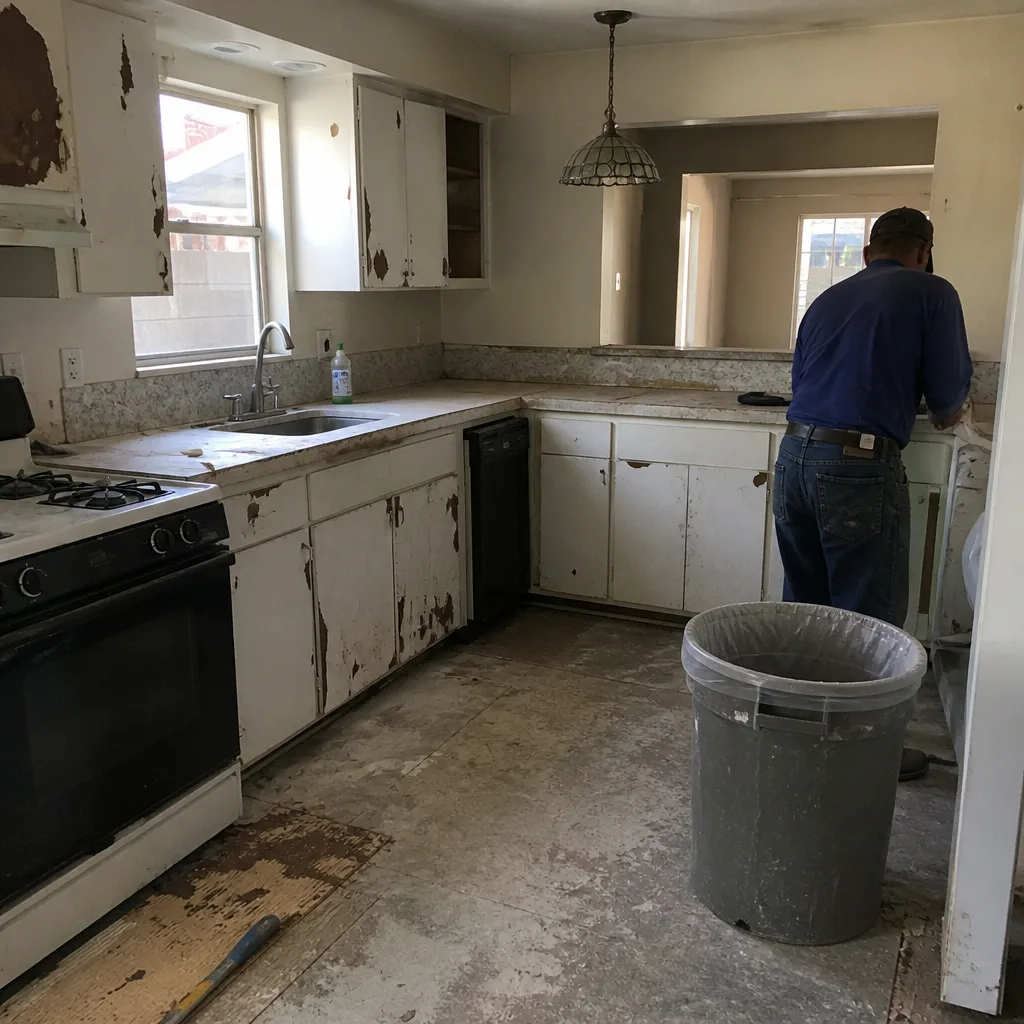
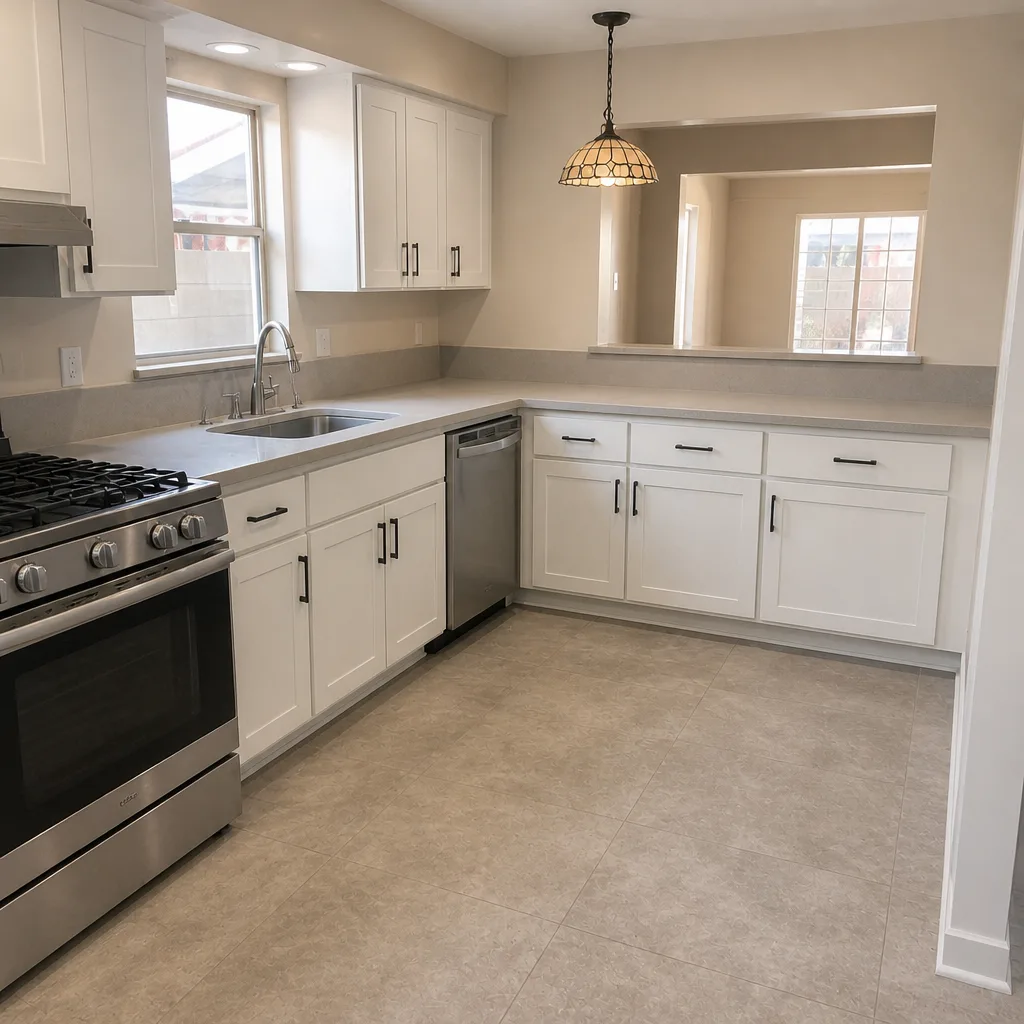
Before you replace an aging AC unit because of these symptoms, get the ducts checked. In our experience, a Sunrise Manor homeowner with a “tired AC” often has perfectly functional equipment and a duct system that’s bleeding efficiency. A kitchen remodeling in Sunrise Manor project that involves opening walls is a natural time to have the ducts inspected and sealed.
Water Intrusion Signals in a Climate Where Rain Is Rare
This is the warning sign Sunrise Manor homeowners discount most, and it’s the one that quietly does the most damage. Rain here comes in a few concentrated bursts (the monsoon and the occasional winter storm), and the rest of the year is bone dry. That dry spell is the problem. Water gets in once, then the drying cycle seals it up invisibly, and the moisture keeps moving through the wall assembly in slow motion for years.
Where we see it most often in Sunrise Manor:
- Staining on the ceiling or interior walls, especially near chimneys, skylights, and low-slope roof sections. A faint brown ring that “only showed up once” isn’t a one-time event. It’s the historic high-water mark of a leak that will keep happening.
- Soft stucco or chalky paint near hose bibs, window sills, and the base of exterior walls. Evidence of standing water or repeated splash-back.
- Musty smell in a closet, guest room, or under-stair area – especially after a monsoon. Rare in Sunrise Manor, which is why it’s ignored. It shouldn’t be.
- Bubbling paint on hardie or wood trim, which is a moisture-staining signal, not just a paint-prep matter.
- Efflorescence – the white powdery mineral bloom that appears on block walls and some floors when water moves through masonry and evaporates. It’s a moisture signal, not a cleaning project.
- Water pooling against the slab or foundation after a storm, with no drainage slope away from the foundation. The regrade is cheap; the foundation fix isn’t.
One quiet test: after any monsoon rain, walk your property and look at where water actually pooled, and how long it stayed. If there’s a spot within 6 feet of your foundation that held water for more than an hour, that’s the spot to investigate first. A waterproofing or drainage fix in Sunrise Manor typically runs $800 to $3,500 depending on the scope, and it’s almost always cheaper than the foundation repair that comes from ignoring it.
How to Document Warning Signs So You Get an Honest Bid
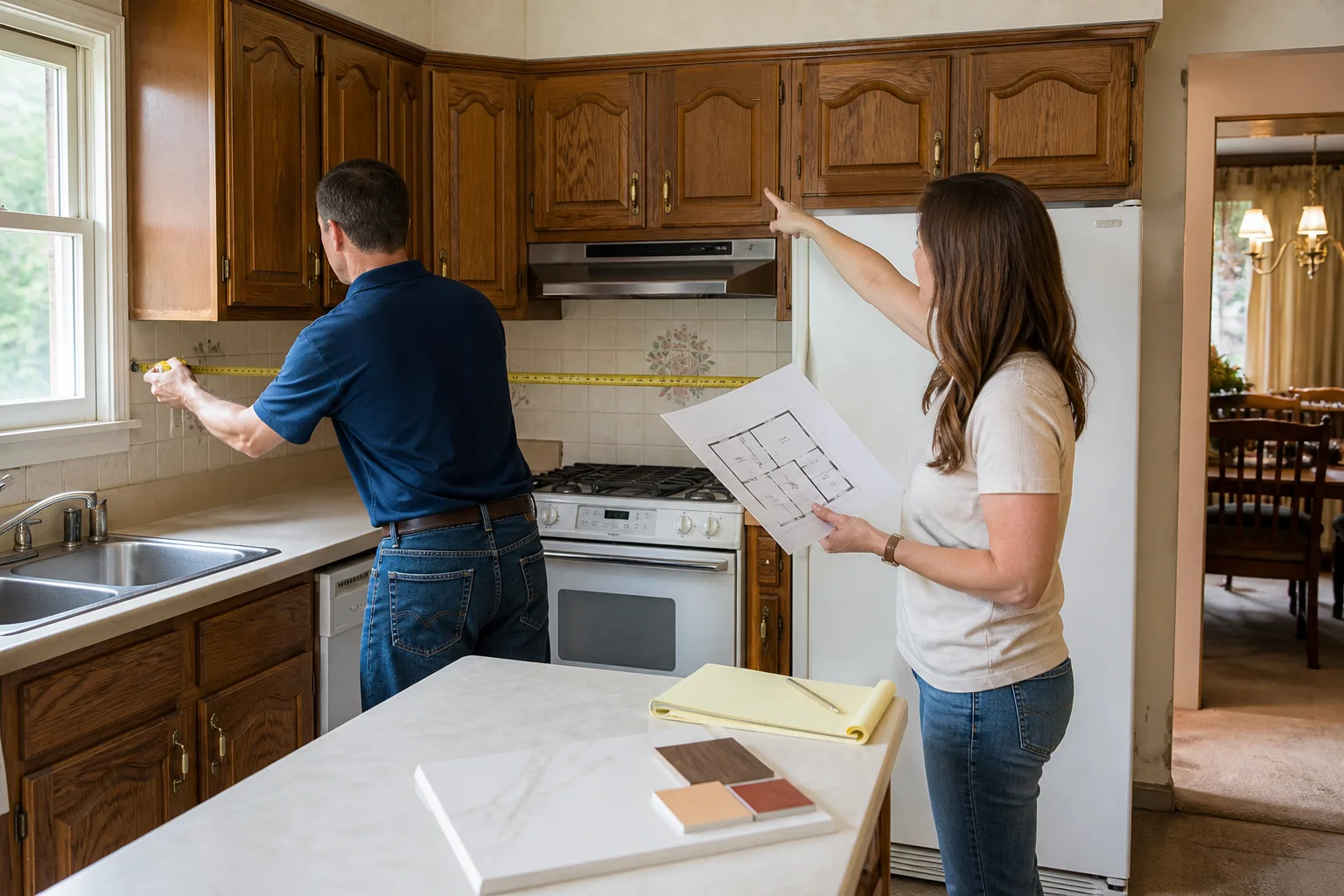
Here’s the uncomfortable truth about warning signs: contractors give very different bids based on what you show them. If you walk a contractor into a room and say “this whole side of the house feels wrong,” you’ll get worst-case-scenario numbers because they have to price for the worst case. If you hand them a documented timeline, you’ll get a much more accurate number, and you can compare contractors apples-to-apples. So documenting properly is not just for the contractor’s benefit; it’s how you keep your own bid honest.
Here’s the process we recommend:
- Photograph with a reference. Take a photo of the full wall, then a close-up with a ruler or a coin next to the crack or stain. Phone photos without scale are hard to interpret.
- Write the date on the photo. If your phone doesn’t do it automatically, name the file with the date. You want a timeline, not a folder of undated pictures.
- Mark it in place. A small strip of painter’s tape with the date written on it next to a crack or on a wall where a stain appears gives you a physical reference you can photograph again later.
- Note the conditions when it appears. “Crack widens in July heat” or “stain shows up after a monsoon” tells a contractor more than the picture alone.
- List symptoms in one document. Floor slope (how much, in which room), hum from HVAC, spot that gets dusty fastest, area of stucco that sounds hollow. A single page is more useful than a voicemail.
- Repeat photos at 30, 60, and 90 days. This is the step almost everyone skips, and it’s what turns a vague “I’m worried” into a timeline that lets a contractor price the work accurately.
If you’re planning major work, this documentation is also what lets a contractor give you a real number instead of a padded one. A referral-based bathroom remodeling in Sunrise Manor project, for example, benefits hugely from knowing whether the wall behind the shower is wet-prone or already water-damaged. That one photo can swing a bid by thousands.
When the Warning Sign Justifies a Professional Visit
Most warning signs can wait a few weeks. A handful can’t. Call a professional right away if a floor slope appeared suddenly, if a crack is actively widening across a tape mark, if you have water dripping inside the house, if a structural beam has visible sag, or if any wall feels soft or gives when you push on it. For every other sign on this list, a planned assessment is the right move.
Bring your documentation to the assessment. A contractor who prices from your photos and notes can tell you whether the fix is a $400 recaulk-and-monitor, a $2,000 drainage correction, or something that needs re-stucco and framing repair. That range is the whole point of documenting before you call.
Penhallow Remodeling Sunrise Manor offers free estimates in Sunrise Manor. We give you a written price before any work starts, on a 365-Day Done Right Promise, with background-checked technicians and a live person answering the phone. Call (844) 972-4834 to schedule a walk-through and get the number in writing.
Frequently Asked Questions
Measure it and watch it. Cracks under 1/16 inch wide that are hairline, vertical, and haven’t moved in a month are almost always cosmetic and caused by normal settling or drywall drying. Cracks over 1/8 inch, diagonal, stair-stepping, or getting wider across a pencil mark you’ve dated are worth a professional look. If the crack is near a beam, header, or slab edge, treat it as structural until a pro says otherwise. Call (844) 972-4834 for a free estimate; we’ll tell you honestly which kind you have.
Hollow stucco means the finish has separated from the metal lath or the wall sheathing behind it. Small patches under windows and hose bibs are usually a moisture maintenance item. Large, spreading, or bubbling hollow areas are a structural concern because water can get behind the stucco and rot the sheathing and framing. In Sunrise Manor’s dry climate, this damage can stay invisible for a decade before it shows up inside the house. A pro can tap-test and tell you which category you’re in. Call (844) 972-4834 to arrange a free walk-through.
No. A quarter-inch fall across 4 feet of floor can come from slab settlement, but it can also come from a tile install over deflection-prone joists, or from a floor that was never perfectly level. The test that matters is whether the slope is new or getting worse; if a floor that felt flat five years ago now slopes, that’s active movement and worth a professional assessment. Otherwise, your contractor can check both subfloor deflection and slab conditions before pricing a fix. Call (844) 972-4834 for a free estimate.
Excessive dust re-appearing that fast usually means return ducts are pulling air from a wall cavity, attic, or garage, or that the return path is undersized and the system is sucking air through every gap it can find. In Sunrise Manor’s desert homes, this dust often carries insulation fibers, which is a construction-level problem, not an AC problem. Duct sealing and rebalancing usually runs $600 to $2,000 depending on access and the number of leaks. Call (844) 972-4834 and we’ll walk you through what to check first.
Yes, and it’s more common here than most Sunrise Manor homeowners think. Rain is rare but intense, and the dry spell between storms hides the evidence: a single intrusion dries quickly and leaves a faint stain, then the wall stays slightly damp through the drying cycles for years. Look for ceiling rings, chalky or soft paint near exterior walls, musty smells after a monsoon, and white mineral bloom on block walls. Any of these is worth a professional look. Call (844) 972-4834 for a free estimate.
It shouldn’t. When you get a written price before any work starts, the number on day one is the number on the invoice. If a contractor’s bid is verbal, if there’s no line-item scope, or if the estimate shows a “range” that could balloon after demo day, you don’t have a price; you have a guess. Ask for the written scope and hold them to it. At Penhallow Remodeling Sunrise Manor, written pricing is the standard on every project, backed by a 365-Day Done Right Promise. Call (844) 972-4834 to schedule your free estimate.
The Bottom Line
The construction warning signs that matter most in Sunrise Manor aren’t the loud ones. They’re the floor that’s quietly acquiring a slope, the stucco that taps hollow on the south wall, the return that dusts up three days after a filter change, the ceiling stain that “only showed up once,” and the diagonal crack above the door frame that no one has measured. Document them with dated photos, mark them in place, watch them for 30 to 90 days, and then get a professional in for an honest assessment. If you’re not sure whether you’re looking at a $400 maintenance item or a $20,000 structural fix, get the free estimate first. You can start with your Penhallow Remodeling Sunrise Manor home assessment by calling (844) 972-4834. We’ll give you the number in writing before any work starts.
Looking for a general contractor who handles assessments, structural repairs alongside remodels, and kitchen or bathroom work? Our teams at Penhallow Remodeling Sunrise Manor source recognized trade brands like KraftMaid, Wellborn, Cambria, Silestone, Kohler, and Moen, install Belgard and Unilock hardscape, and treat ActiveYards and Tremron products as our standard options for outdoor work. Our technicians have up to 22 years of experience. Every project comes with written pricing and a 365-Day Done Right Promise, part of the Kingswell family of companies operating to The Kingswell Way since 2004.
Written by the team at Penhallow Remodeling Sunrise Manor.
See the difference
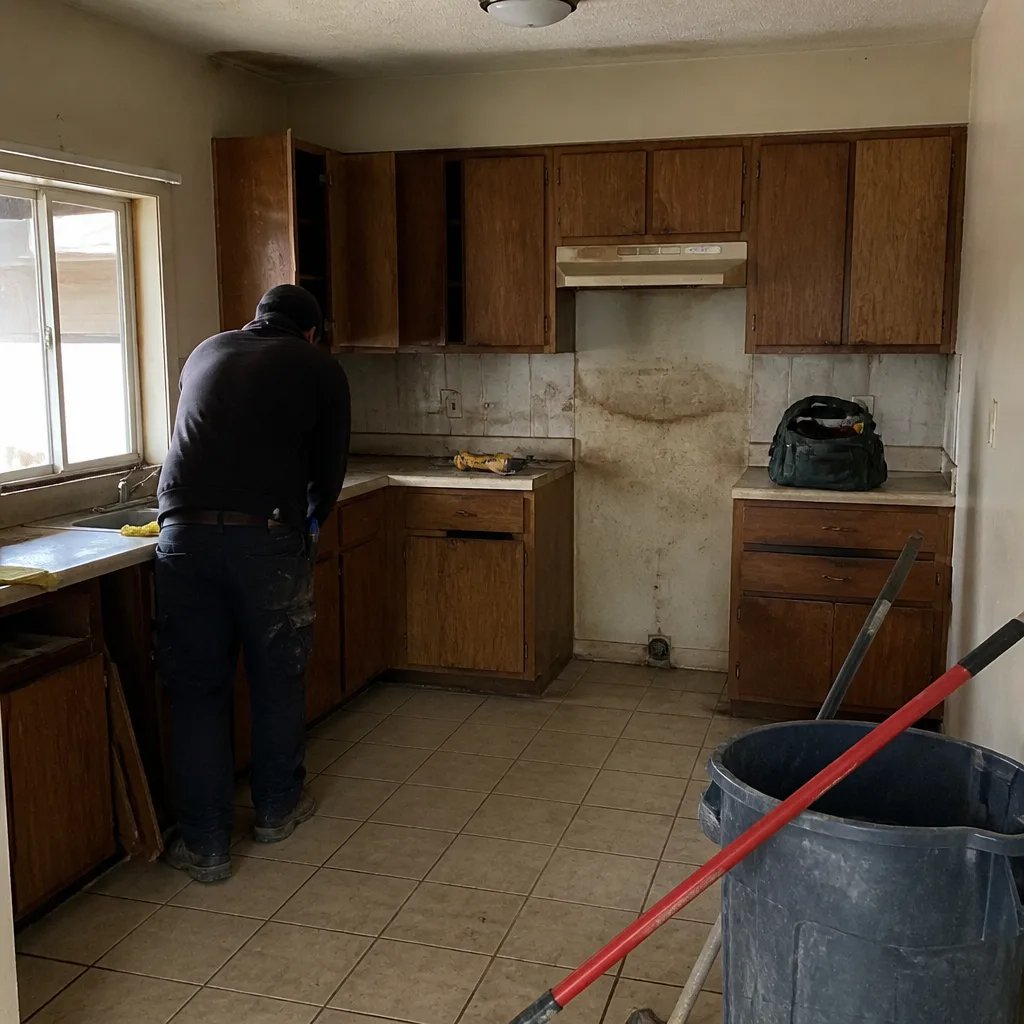 Before
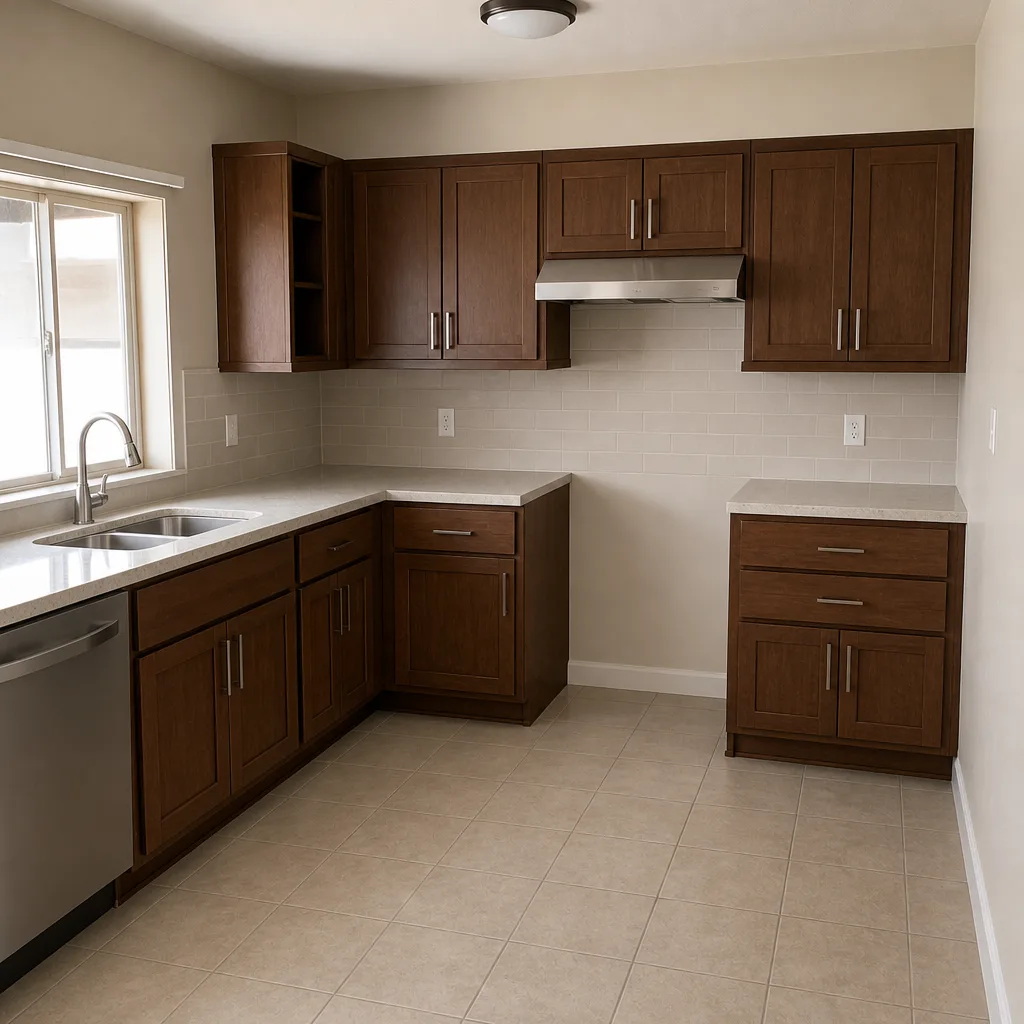 After
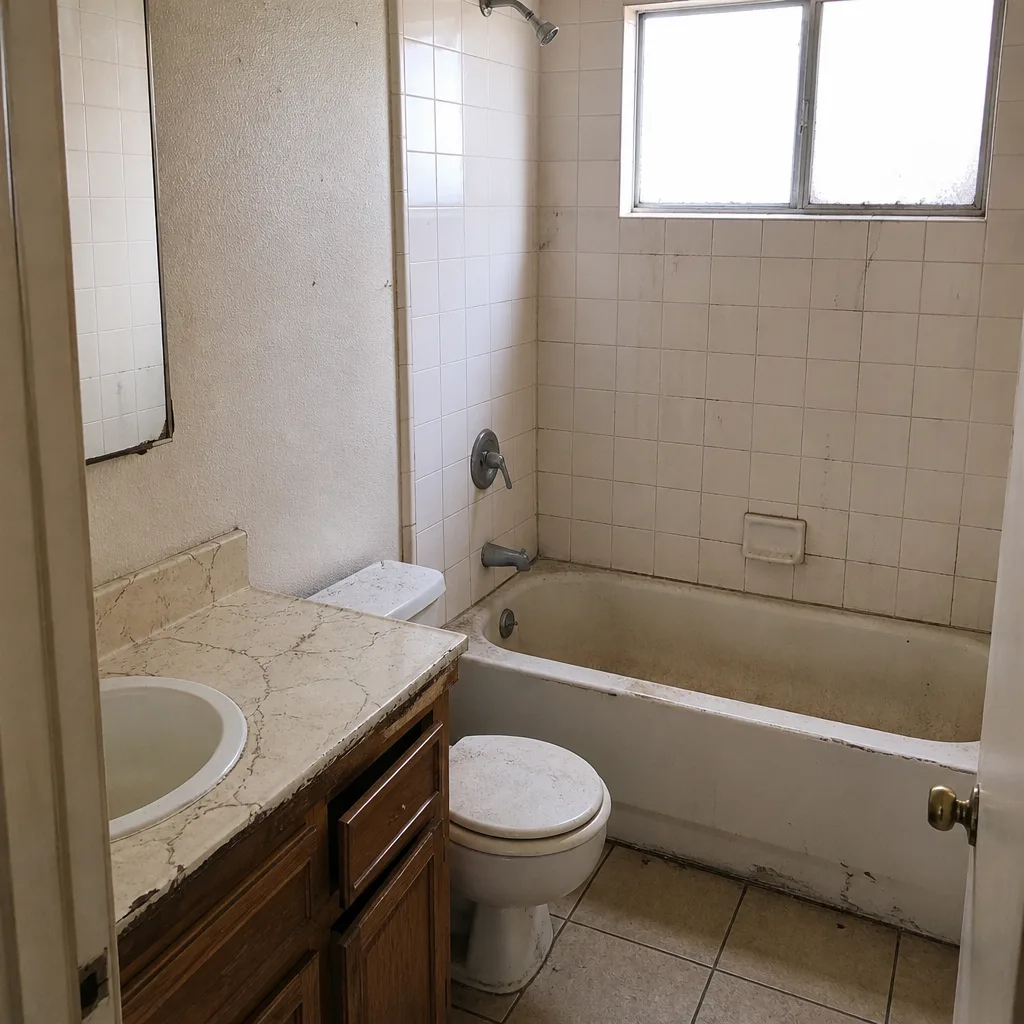 Before
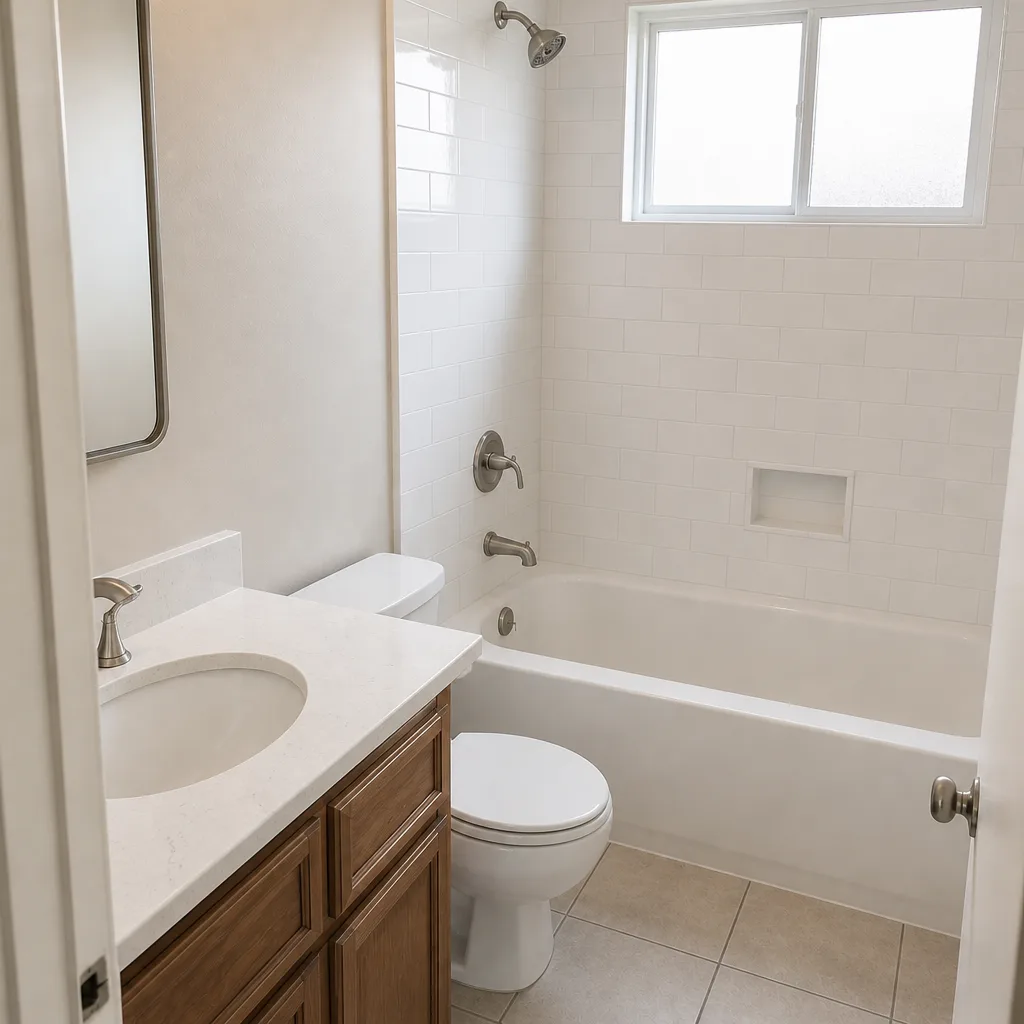 After
 Before
 After